
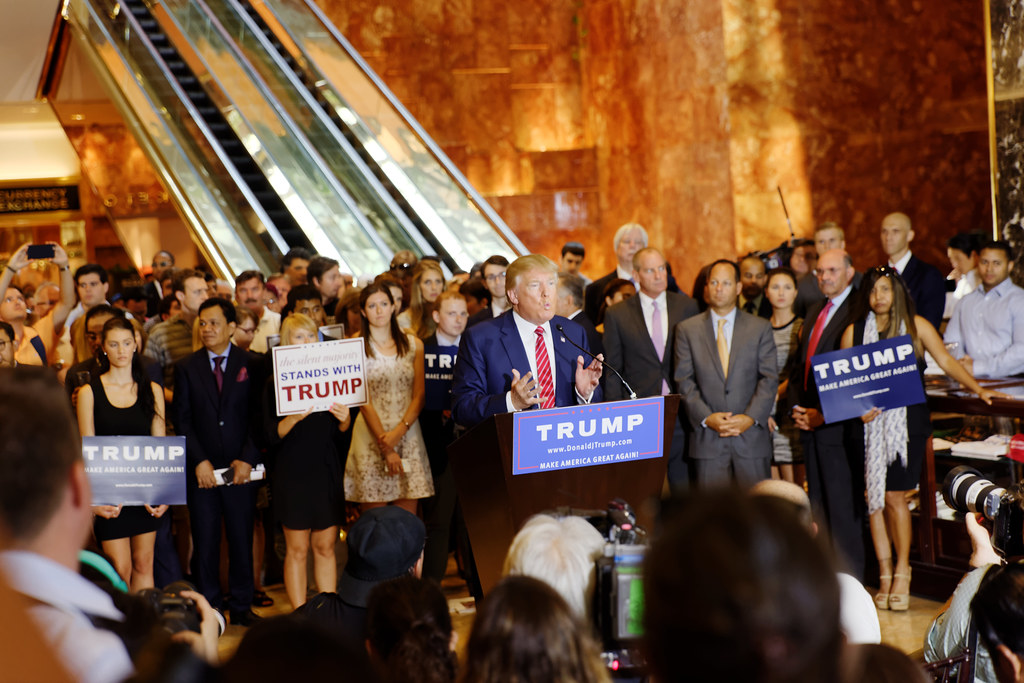
The cases were built around vehicle pollution controls. Trump is casting them as proof that prosecutors punished people for ordinary car work.
President Trump’s latest pardons are not just about a small group of defendants. They put a blunt political label on a technical corner of environmental law: were these pollution cases, or were people punished for working on cars?
Trump chose the second frame. In announcing the clemency Friday, he said the defendants had been wrongly prosecuted for “fixing their car,” turning Clean Air Act enforcement into another front in his broader argument about federal “weaponization.”
The pardons Trump announced
According to CBS News, Trump said Friday that he was pardoning six people he described as victims of federal overreach. In a Truth Social post quoted by CBS, he wrote, “I AM SETTING THEM ALL FREE, RIGHT NOW!”
The White House did not immediately release a full list of names at the time of the announcement. CBS reported that attorney Stewart Cables and lobbyist Jeff Daugherty, who represent five of the defendants, identified Ryan Lalone, Wade Lalone, Matt Geouge, Tim Clancy and Mac Spurlock as recipients of pardons.
A White House official later confirmed the pardons to CBS News and said four others had also been pardoned, three for similar pollution violations. CBS reported the broader list of names as Ryan Lalone, Wade Lalone, Matt Geouge, Tim Clancy, Mac Spurlock, Joshua Davis, Barry Pierce, Aaron Rudolf, Adam Kidan and Jack Harvard.
Daugherty celebrated the decision in comments to CBS, saying Trump was “the only president who would have taken an interest in these parties” because, in Daugherty’s words, Trump had faced “ferocious weaponization” himself.
The fight under the hood
The prosecutions were not described by CBS as routine repairs in the ordinary sense. They involved allegations of tampering with air pollution control equipment in vehicles, in violation of the Clean Air Act.
That distinction is the core tension in the story. Trump’s phrasing makes the cases sound like criminal punishment for fixing a broken vehicle. Federal emissions cases typically focus on whether equipment designed to limit pollution was disabled, removed or bypassed.
CBS reported that the cases were tied to so-called aftermarket defeat devices. Those devices are used to disable emissions controls, which can allow vehicles to operate in ways that produce more pollution than the law permits.
To critics of aggressive environmental enforcement, such cases can look like the government targeting mechanics, vehicle owners or small businesses over technical violations. To supporters of enforcement, disabling emissions systems is not a harmless repair; it undermines rules meant to keep excess pollution out of the air.
Why the timing matters
The pardons did not appear out of nowhere. CBS noted that Trump granted clemency last fall to Troy Lake, a Wyoming mechanic who served seven months in prison after violating federal emissions laws by disabling pollution-control equipment on diesel engines.
That earlier clemency decision now looks less like a one-off and more like part of a pattern. The administration has moved from pardoning one mechanic to clearing a wider group of people tied to emissions-related cases.
The Justice Department also ordered prosecutors earlier this year to drop all pending prosecutions and investigations related to aftermarket defeat devices, CBS reported. That makes the pardons part of a broader enforcement retreat, not just a symbolic gesture after convictions.
Put together, the message is clear: this administration is sharply de-emphasizing a category of vehicle emissions enforcement that had been pursued under federal pollution law.
A pardon is not a rewrite
A presidential pardon can relieve a person of federal punishment for covered offenses. It does not, by itself, erase the Clean Air Act or make emissions tampering legal going forward.
That matters because the politics can move faster than the law. Trump can grant clemency, and his Justice Department can change enforcement priorities, but Congress wrote the underlying statute. A future administration could take a different approach to similar conduct unless the law itself changes.
The practical effect for the pardoned individuals is still significant. Pardons can lift the weight of federal convictions or penalties covered by the clemency action and signal that the White House views the prosecutions as unjust.
The broader effect is cultural and political. By describing the defendants as people prosecuted for “fixing their car,” Trump is pushing a simpler story than the legal one: Washington went too far, and he stepped in.
The politics of weaponization
Trump’s use of the word “weaponization” is not incidental. It is one of his central arguments about the federal government, especially the Justice Department and prosecutors.
In this case, the theme is being applied to environmental enforcement rather than election cases, classified documents, immigration or other familiar political battlegrounds. That makes the pardons useful to Trump on two fronts.
First, they appeal to voters who see federal regulation as intrusive or hostile to tradespeople, drivers and small businesses. Second, they reinforce Trump’s claim that prosecutors have used the law unfairly against disfavored targets.
The defendants’ advocates are embracing that framing. Daugherty’s comments to CBS explicitly linked the pardons to Trump’s own experience with what he called weaponization, portraying the president as uniquely sympathetic to people caught in the federal system.
What remains unclear
The announcement still leaves unanswered questions. CBS reported an initial Trump statement about six people, followed by confirmation from a White House official that additional people were included. The public-facing rollout was not especially clear.
It is also not fully clear from the announcement how each case compares with the others. CBS reported that three of the additional pardons were for similar pollution violations, but the White House’s broader list included names beyond the five identified by the defendants’ representatives.
More detail from official clemency documents would clarify the exact offenses covered, the legal status of each recipient and whether any related penalties remain. For now, the political signal is easier to read than the paperwork.
The takeaway is bigger than the names. Trump is using the pardon power to recast emissions prosecutions as overreach, and his Justice Department has already moved to back away from pending defeat-device cases. For anyone watching environmental enforcement, auto regulation or presidential clemency, this is a clear sign of where the administration wants the line drawn.



Leave a Reply