
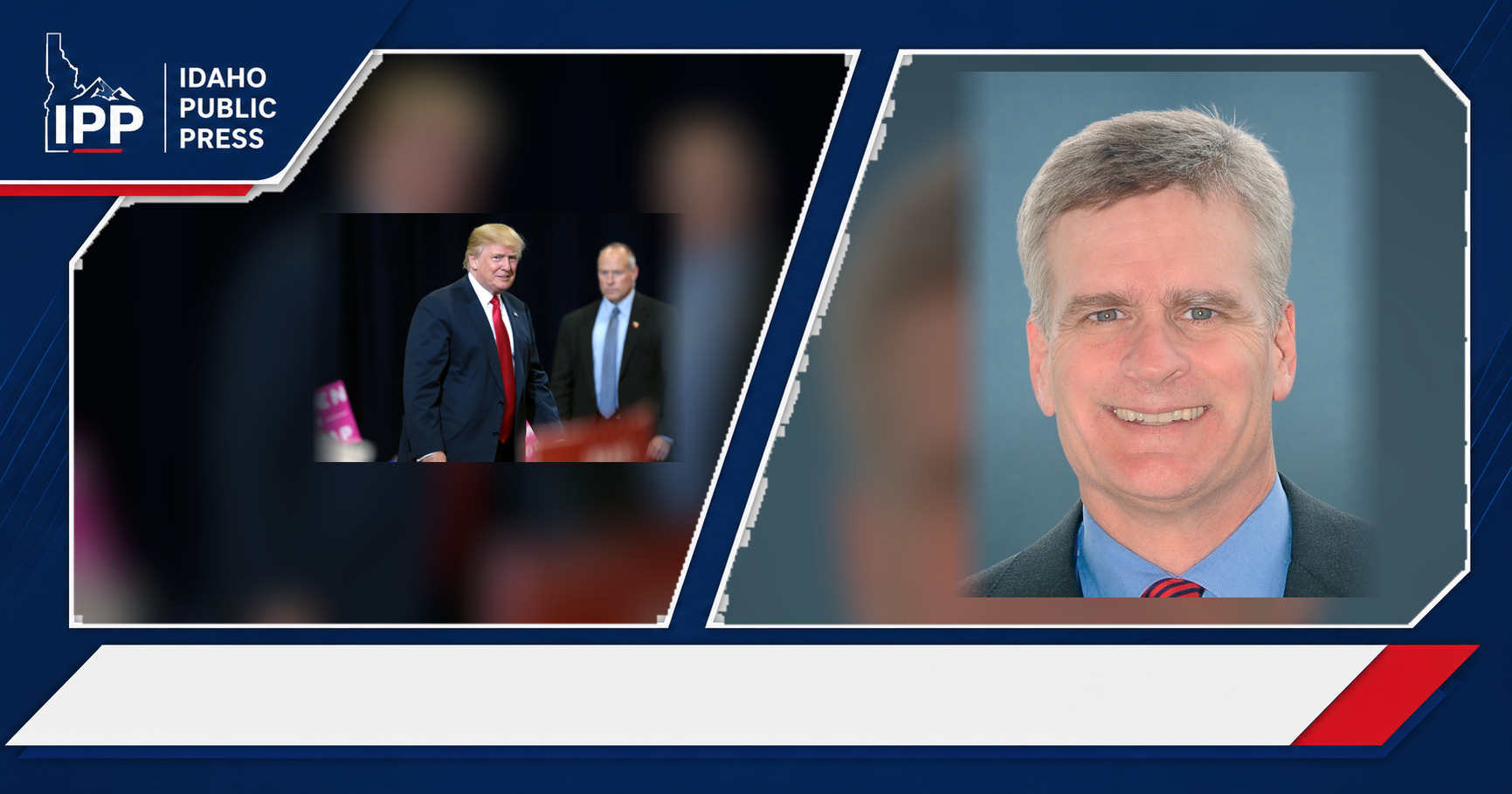
A trend item framed Trump’s outburst as a fight with a “fake Republican” who could humiliate him. Available reporting identifies Louisiana Sen. Bill Cassidy as the key opponent in a broader dispute over war powers, information and Republican control of the Senate agenda.
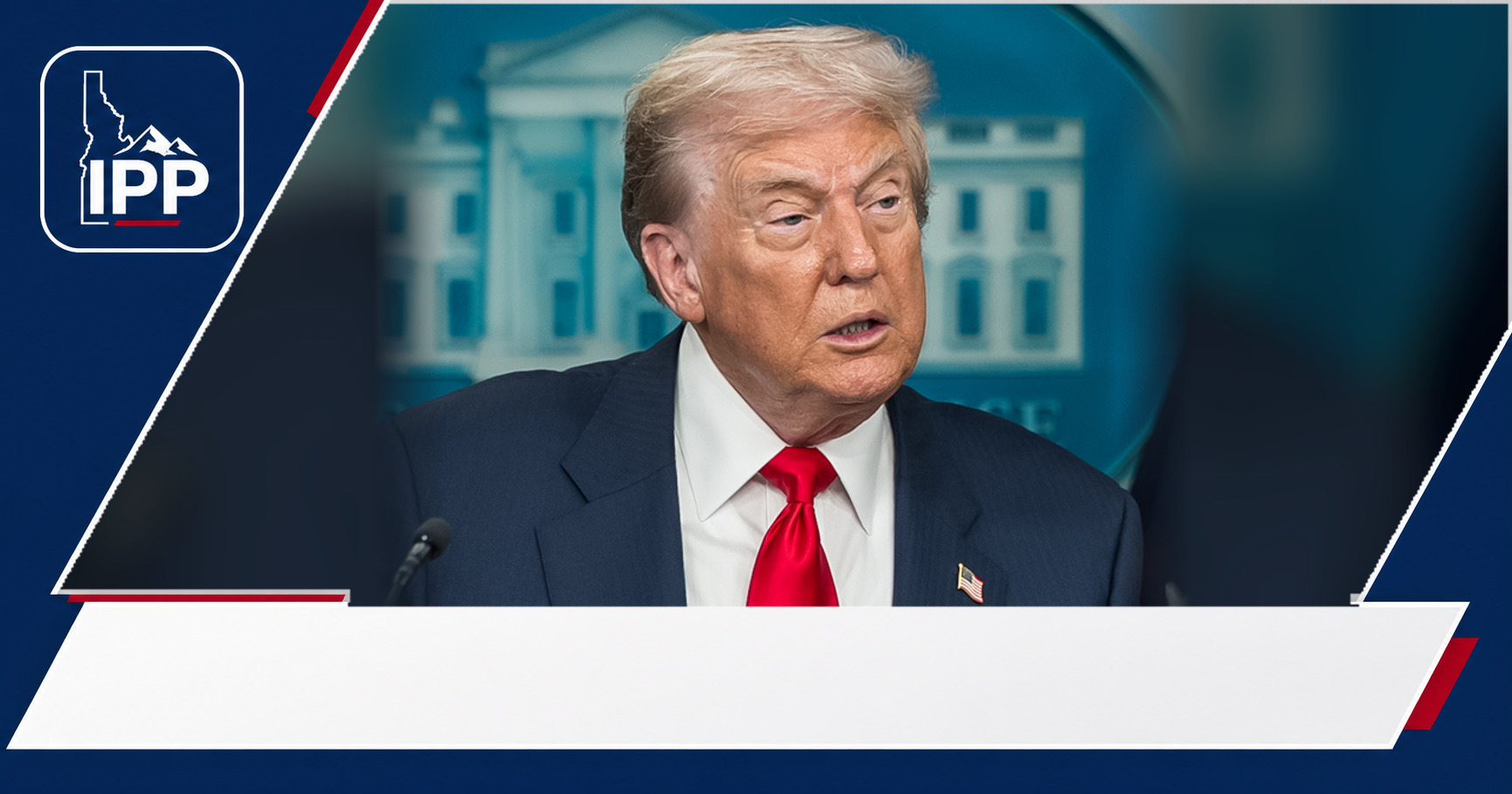
Donald Trump reacted angrily to a Republican described in a trend item as “fake” and having a “bad attitude,” while the Republican was said to have threatened to humiliate Trump. Available reporting identifies Louisiana Sen. Bill Cassidy as the central figure in Trump’s clash with Senate Republicans over a war powers vote tied to Iran.
The confirmed dispute matters because it put a rare Republican break with Trump’s foreign-policy approach in full view. It also showed how quickly a disagreement over Congress’s role in military action can become a fight over personal loyalty inside the GOP.
What the available reporting confirms
The supplied source material does not independently substantiate the trend item’s more colorful claims that Trump called Cassidy a “fake Republican,” criticized a “bad attitude,” or faced a specific threat of humiliation. Those phrases should be treated cautiously unless supported by a direct post, transcript or additional reporting.
What is independently reported by the Associated Press is a tense face-to-face exchange between Trump and Cassidy during a closed-door Republican luncheon at the Capitol. The confrontation followed a Senate vote on a war powers resolution intended to challenge or restrict the administration’s military actions involving Iran.
AP reported that Trump berated Republican senators over their opposition and exchanged particularly harsh words with Cassidy, one of four Republicans who had voted with Democrats on the measure. A person familiar with the private meeting told AP that Trump repeatedly told Cassidy to sit down and called him a “lunatic.”
Trump publicly described the gathering afterward as “a really great meeting,” while also acknowledging some discord. “We like everyone in the room,” he told reporters. “I don’t like a few people, but that’s OK.”
Cassidy’s objection was about oversight
Cassidy’s stated concern was not simply a personal dispute with Trump. He said he wanted a fuller account of the military campaign, its aims and its duration before backing away from the war powers effort.
According to AP, Cassidy told reporters that he had said to Trump: “You have not told the American people what’s going on.” He also argued that an operation expected to last four weeks had continued for four months and that its original objectives had not been achieved.
That is the heart of the conflict. Trump sought party unity behind his policy, while Cassidy argued that senators needed more information and could not simply defer to the White House.
Cassidy said he matched Trump’s tone and volume during the exchange, then tried to de-escalate. He also said he did not want to be bullied and would continue to support war powers action until he received a briefing.
A later vote eased the immediate standoff
Hours after the confrontation, Cassidy received a personal briefing at the White House from Vice President JD Vance and special envoy Steve Witkoff, AP reported. Cassidy then returned to the Capitol and voted against a separate war powers resolution.
The later measure failed 47-50-1. Kentucky Sen. Rand Paul, another Republican who had repeatedly voted with Democrats to halt the war, voted present, saying on X that he wanted to give the president more room and leverage to negotiate peace.
Cassidy thanked Vance and Witkoff afterward for the briefing and said it addressed many of his concerns. The shift illustrated how closely access to information, not just public pressure, can shape congressional votes on military policy.
Senate Majority Leader John Thune and a small group of GOP senators called Trump after the vote. Thune said the president was pleased with the result, and Trump later publicly thanked him while noting the changed votes by Cassidy and Paul.
The fight exposes a larger GOP strain
The argument with Cassidy came after weeks of friction between Trump and Senate Republicans. The war powers vote had become a vehicle for lawmakers who believed Congress should assert its constitutional role when a military operation expands or lasts longer than initially anticipated.
Trump’s approach reflects a competing view: a president needs political backing and flexibility during an overseas conflict, and public dissent from his own party can weaken U.S. leverage. Supporters of that position may see the later Senate vote as evidence that concerns can be resolved through private briefings rather than public rebuke.
Critics see a different lesson. They argue that a briefing after a confrontation does not erase the underlying question of whether the administration has adequately explained the mission to Congress and the public.
Neither side’s argument is merely procedural. The dispute reaches questions of military authority, transparency, the Senate’s appetite for independence and Trump’s continuing ability to enforce unity within his party.
Housing bill dispute added pressure
The luncheon also unfolded amid a separate conflict over domestic legislation. AP reported that Trump reversed course on a housing bill that had passed Congress with overwhelming bipartisan support, saying he would not sign it until lawmakers sent him legislation requiring proof of citizenship for all voters.
North Carolina Sen. Thom Tillis said he did not understand why the housing bill was being held “hostage” to a voting bill he said would not pass in the current Congress. The episode added to senators’ frustration as they tried to focus on affordability issues during an election year.
That context helps explain why the Cassidy exchange received attention beyond one senator’s vote. Republican lawmakers were dealing with pressure on multiple fronts: the Iran policy, an unsettled legislative agenda and an expectation that dissent should be minimized.
For Trump, the immediate goal was clear: prevent a visible Republican coalition from limiting his latitude on Iran. For senators such as Cassidy, the issue was whether party loyalty could coexist with an insistence on answers from the administration.
What remains unclear after the clash
The available reporting establishes a sharp Trump-Cassidy confrontation and a subsequent change in Cassidy’s vote after a White House briefing. It does not establish every allegation embedded in the trend headline, including the precise “fake Republican,” “bad attitude” and humiliation language.
It also remains unclear whether the briefing resolved Cassidy’s longer-term concerns about the mission or merely changed his position on one procedural vote. A single vote can lower the temperature without settling the debate over strategy, duration and congressional authority.
The broader political question is whether this was an isolated flare-up or an early sign of deeper resistance among Republican senators. The first Senate adoption of a war powers resolution on the Iran conflict suggested that, at least for some lawmakers, the pressure to question the administration had already become difficult to ignore.
The most durable takeaway is less about the insult-driven framing than the institutional contest underneath it: Trump wants unified backing, while some Republicans are testing how far they can demand accountability without breaking completely from their president.


Leave a Reply