
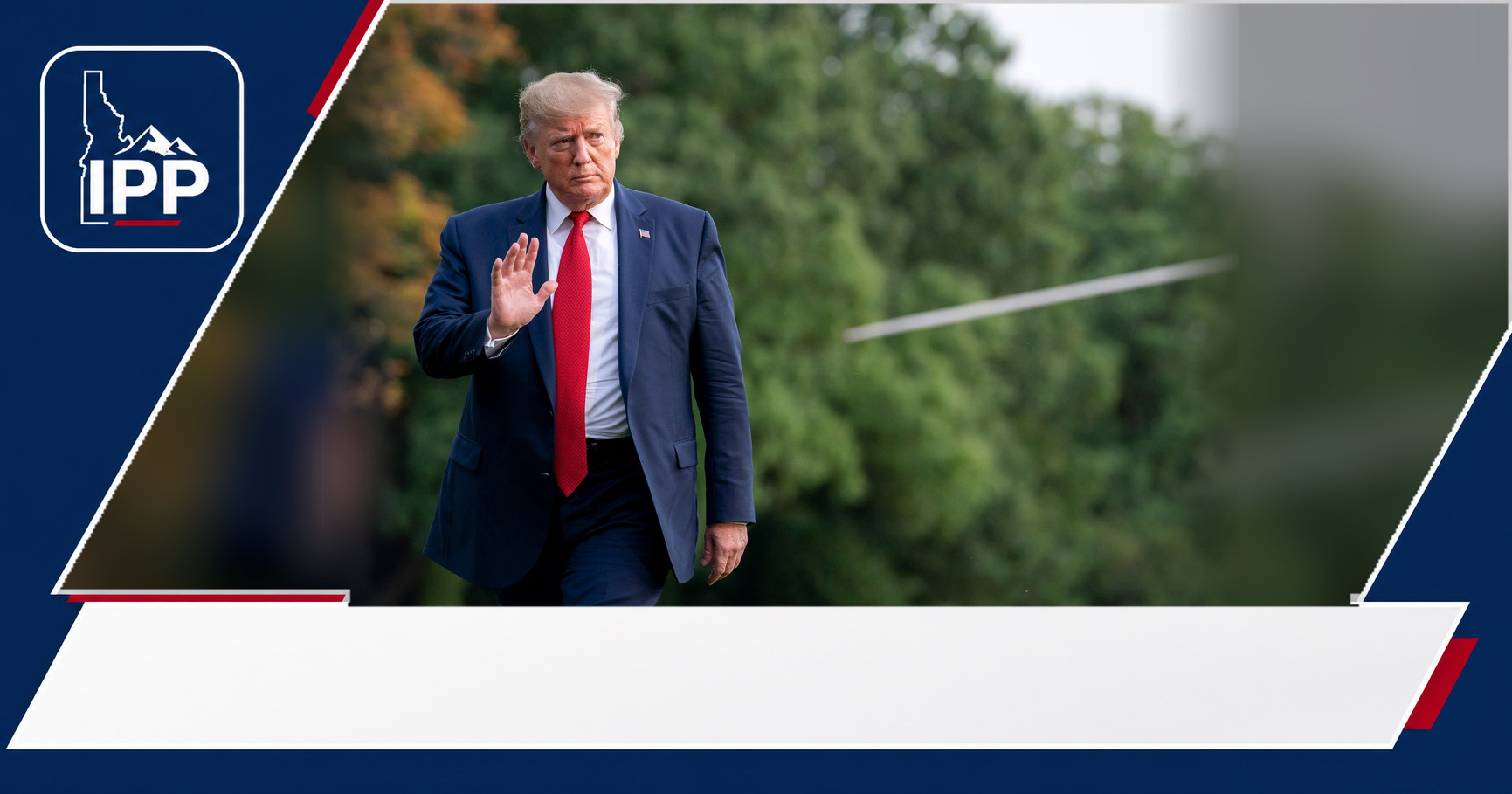
The reported remark puts Oman, a longtime diplomatic go-between, at the center of an already volatile U.S.-Iran confrontation. It also underscores how little is publicly clear about any path to a deal.
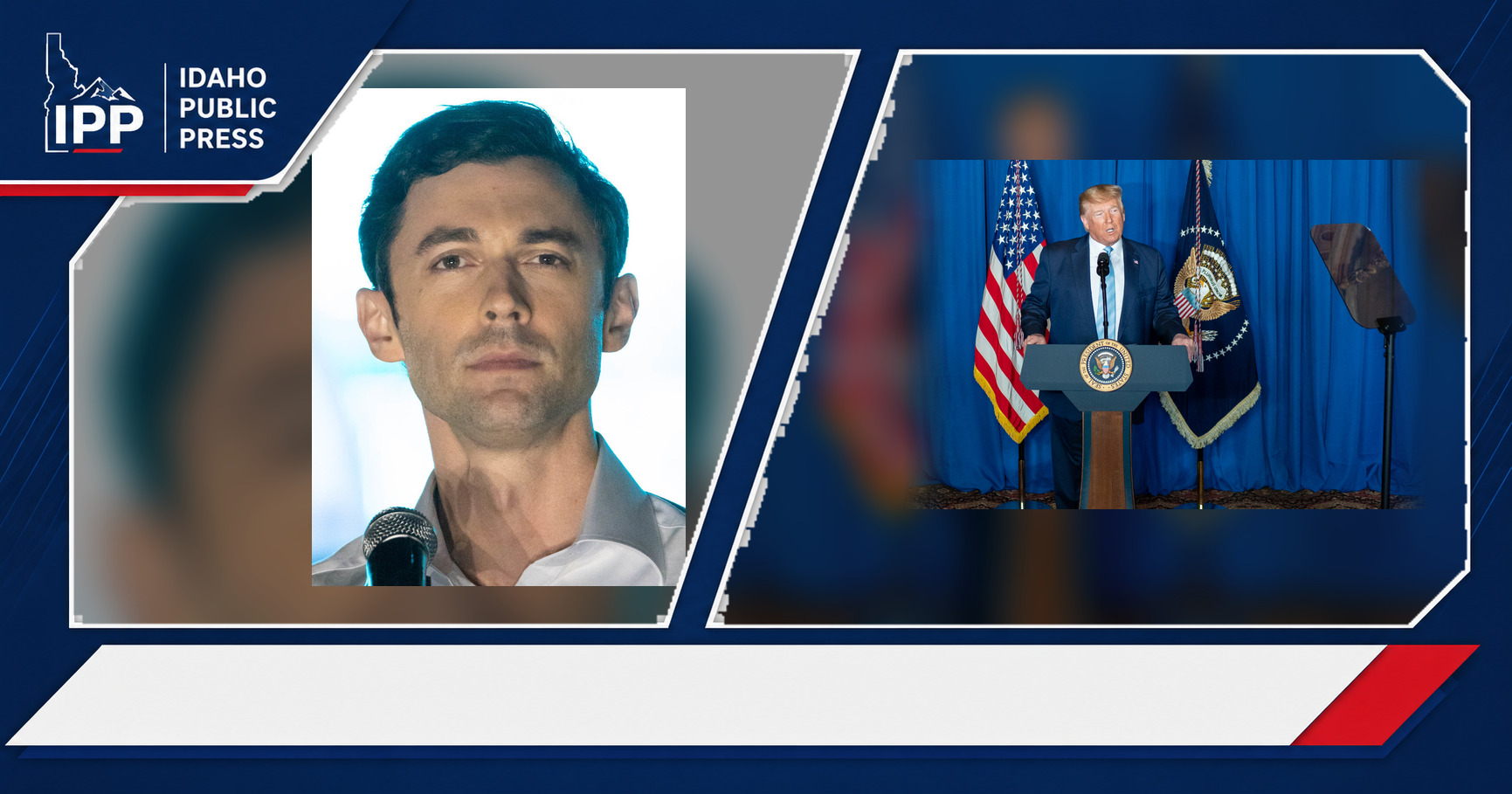
Donald Trump reportedly threatened to bomb Oman, saying the Gulf nation could be targeted if it got in the way of efforts to reach a deal with Iran. The reported threat, made during a Fox News phone interview cited by The Wall Street Journal and CBS News, matters because Oman has long served as a crucial diplomatic channel between Washington and Tehran.
The remark came as a 60-day period to negotiate a peace deal and reopen the Strait of Hormuz was said to be ending without an agreement. It places Oman in an unusually exposed position: a U.S. partner and regional mediator now caught between military escalation and a possible Iran settlement.
What Trump reportedly said
The Wall Street Journal reported that Trump told Fox News correspondent Trey Yingst that Oman could face attack if it interfered with U.S. efforts to secure a peace agreement with Iran. The Journal quoted Yingst’s account of Trump saying, “If Oman gets in the way, we’ll bomb the s— out of them.”
CBS News also reported that Trump had threatened Oman while describing the wider conflict with Iran as stuck in a stalemate. The available reporting does not establish that a strike had been ordered, that Oman had taken a specific action prompting the statement, or that the remark represented a formal change in U.S. policy.
Those distinctions matter. A presidential threat, especially one made in an interview, can influence diplomacy and military calculations even when no operational decision has been announced.
Oman’s unusual role with Iran
Oman is not a peripheral player in U.S.-Iran diplomacy. The sultanate has historically maintained working relationships with both sides when direct contact has been politically difficult or impossible.
Its location gives it added importance. Oman sits beside the Strait of Hormuz, the narrow waterway linking the Persian Gulf with the Gulf of Oman and the Arabian Sea. The route is central to global oil and gas shipments, so any disruption can have effects well beyond the countries directly involved.
That geography has made Oman a valuable intermediary, but it also makes the country vulnerable when regional powers contest shipping access, military movement or terms for ending a conflict. A mediator’s influence depends in part on being treated as a channel rather than as another combatant.
A deal deadline without clarity
CBS described the reported comments against the backdrop of an expiring 60-day window for the United States and Iran to negotiate a peace deal and reopen the Strait of Hormuz. Its live reporting said no agreement was in sight.
At the same time, competing accounts cast doubt on whether meaningful talks were occurring. CBS reported that an Islamic Revolutionary Guard Corps spokesperson denied Trump’s assertion that Washington was holding backchannel discussions with IRGC officials, calling the claim false. The spokesperson said diplomatic issues belonged to other parts of Iran’s system.
That leaves a major unanswered question: who, if anyone, is negotiating on behalf of the two sides, and through what channel? A deadline has little practical value if the parties do not agree on the talks, the participants or the terms under discussion.
Why the Strait raises stakes
The Strait of Hormuz is a strategic pressure point because a disruption there can quickly become an international economic problem. Energy markets, shipping insurers and countries dependent on Gulf exports all watch the passage closely when regional tensions rise.
Oman’s coastline runs along one side of the waterway, meaning it cannot easily separate its diplomatic role from the security crisis. Even rhetoric directed at Oman can raise concerns about maritime safety, commercial shipping and the durability of regional alliances.
There are competing ways to interpret Trump’s reported language. Supporters of a pressure-first approach may see an explicit warning as leverage meant to force cooperation around a deal. Critics may argue that threatening a country known for mediation risks weakening one of the few available routes for de-escalation.
Neither view resolves the immediate practical issue: whether Oman was accused of a concrete obstruction, or whether the threat was designed broadly to deter any move seen as helping Iran resist U.S. demands.
What remains unconfirmed
The reports provide a clear account of the alleged remark but leave important details unresolved. There is no public explanation in the material available of what Oman was said to have done, what Washington expected Oman to do differently, or whether Omani officials had responded.
It is also unclear what a workable Iran deal would require. The reporting refers to peace talks and reopening the Strait of Hormuz, but it does not lay out agreed conditions, enforcement mechanisms, timelines or guarantees from either side.
Trump also reportedly told Yingst that he had no schedule for ending the Iran war and was “not in a hurry.” That message sits uneasily beside the reported 60-day negotiating deadline: one suggests urgency around diplomacy, while the other signals willingness to continue pressure without a fixed endpoint.
Oman becomes a test of diplomacy
The reported threat puts a spotlight on a country whose diplomatic value has often come from restraint, access and trust across rival camps. If Oman is viewed by Washington as an obstacle rather than an intermediary, the space for quiet negotiation could shrink further.
For now, the most consequential facts are limited: Trump was reported to have threatened Oman in connection with a deal with Iran; the Strait of Hormuz remained central to the dispute; and public accounts of negotiations were conflicting. Whether the episode becomes a diplomatic rupture, a bargaining tactic or a precursor to new military action depends on developments that had not been publicly clarified.




Leave a Reply