

The headline makes a strong claim about CNN, Donald Trump and the U.S. midterm elections. But the supplied reporting leaves out the basic details needed to judge whether there was a meaningful electoral development at all.
CNN coverage was described in a viral headline as being halted for major U.S. midterm-election breaking news, while Donald Trump was portrayed as needing to be worried about the midterm elections. Yet the available source material does not identify the supposed breaking-news development, the CNN segment, the poll or the analyst behind the claim.
That missing context matters. A warning that Trump should be “running scared” may be sharp political commentary, but it is not the same as verified evidence that a midterm result, campaign shift or new survey has materially changed the electoral picture in the United States.
What the headline actually establishes
The supplied item is a headline from the Irish Star carried through an MSN feed. It says CNN was interrupted for “major midterms breaking news” and links that development to commentary about Trump’s political standing.
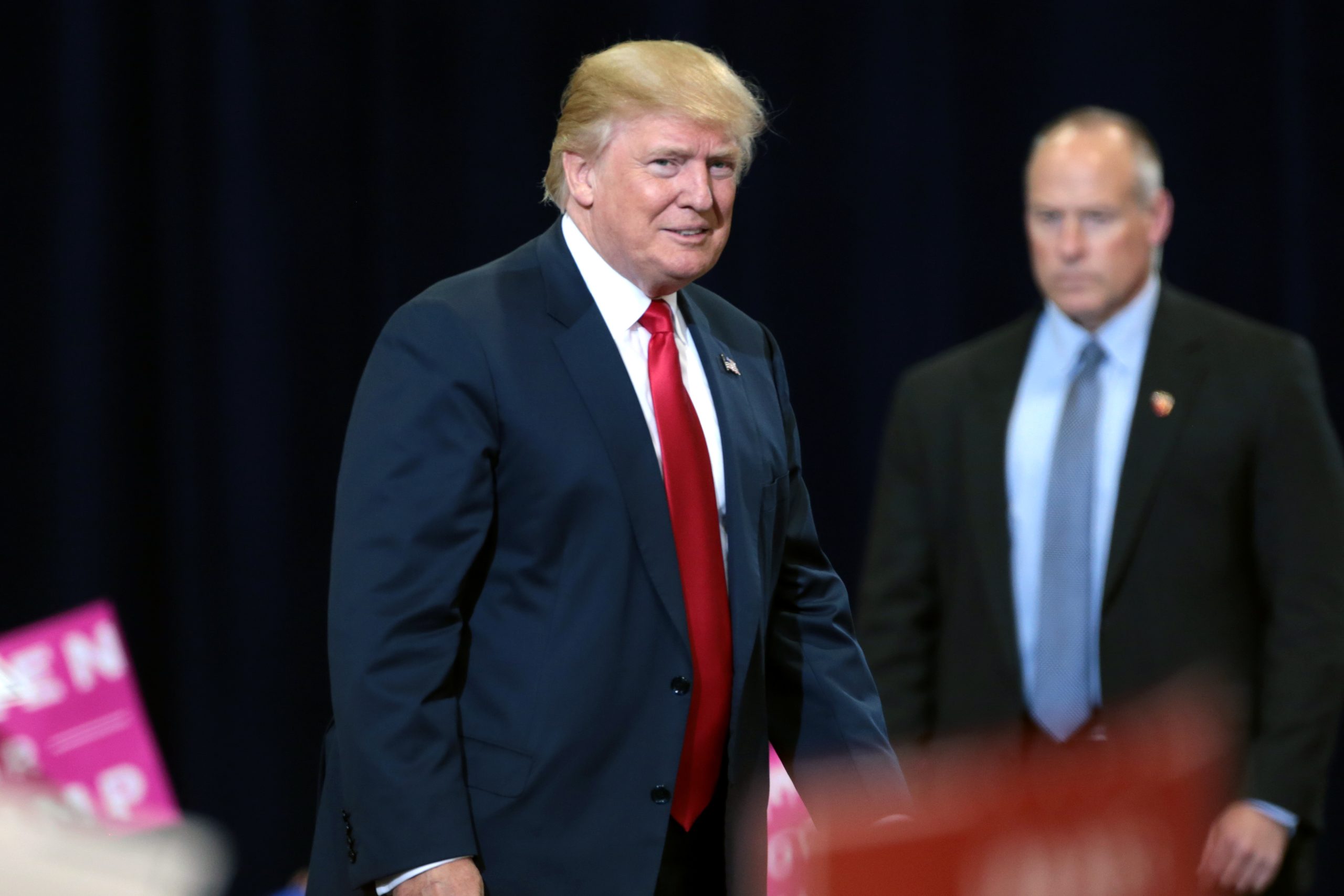
But the extracted material contains no transcript, named CNN host, date of broadcast, election result, state, district, candidate, polling firm or numerical finding. Without those details, readers cannot independently assess the scale of the event or whether the “running scared” language came from a journalist, analyst, political strategist or headline writer.
That distinction is especially important in election coverage. “Breaking news” can mean anything from a major candidate entering a race to one new poll, an endorsement, a fundraising report or a court decision. Those developments do not carry the same weight.
The research points to a different story
The closest detailed item in the supplied research is a Daily Express report published March 27, 2025. That article concerned CNN data analyst Harry Enten’s discussion of Trump’s economic approval ratings, particularly public concern about inflation and the economy.
According to that report, Enten said inflation and the economy were the leading issue in the cited polling and described a decline in Trump’s net approval on the economy. The Daily Express article framed that as a major problem for Trump’s presidency.
Crucially, the available text of that report does not describe a midterm-election announcement. It does not document CNN interrupting programming for a new midterm development, either. It is a discussion of economic sentiment and presidential approval.
Economic approval can certainly become part of a midterm argument. Still, it is a leap to treat a segment about inflation-era public opinion as proof of a specific midterm turning point. The research packet does not provide the evidence needed to make that leap.
Why midterm warnings travel fast
Midterm elections are unusually fertile ground for sweeping political predictions. They are often treated as a referendum on the president, and control of Congress can shape the administration’s ability to advance legislation, confirm nominees or manage investigations.
That broader reality makes an economic warning politically relevant. If voters believe an administration is not focused on prices, jobs or household costs, opponents are likely to make those concerns central to their campaigns. Supporters, meanwhile, may argue that polling is a snapshot and that economic assessments can shift quickly.
Neither view can be settled by a dramatic headline alone. A useful midterm assessment needs to separate national opinion from district-level races, identify when a survey was conducted, show its sample and methodology, and compare it with other data rather than treating one number as a verdict.
- A national approval number measures broad sentiment, not necessarily the outcome of individual House or Senate contests.
- A single poll may indicate movement, but it can also fall within normal variation.
- A commentator’s warning is analysis, not an election result.
- A television interruption does not itself establish that the underlying news was consequential.
Opinion and evidence are different
There is nothing unusual about television analysts making forceful political arguments. A network analyst may reasonably contend that a president faces a serious vulnerability when voters rank the economy highly and disapprove of the administration’s handling of it.
There is also a legitimate counterargument. Midterm elections are decided across many states and congressional districts, with candidate quality, turnout, local issues, fundraising, redistricting, ballot measures and the opposition party’s message all affecting outcomes. Presidential approval matters, but it does not determine every race.
The phrase “running scared” belongs in the realm of rhetoric. It conveys an assessment of political pressure, not a measurable electoral fact. Readers should be able to see what evidence prompted it before deciding whether it is a fair characterization.
The missing details readers need
For the CNN-midterms claim to be reported as a concrete development, several basic questions would need answers: What exactly was announced? When did it happen? Who appeared on CNN? Which election or contest was involved? What source or data supported the warning about Trump?
The current material answers none of them. It provides a trending headline and a separate, older report on economic approval, but not documentation tying the two together.
That does not prove that CNN never aired a consequential midterm segment. It does mean the claim, as presented in the available research, remains unverified. The responsible takeaway is narrower than the headline: economic anxiety may create political risk for Trump and his party, but no specific CNN midterm “breaking news” event has been substantiated here.
What to watch before drawing conclusions
The next credible signs of a changing midterm landscape will be more concrete than a sensational framing. Look for official election announcements, multiple reputable polls with dates and methodology, candidate filing developments, fundraising totals and clear state-by-state evidence.
Until those details are available, the CNN-and-Trump headline is best understood as a prompt to examine the evidence, not as evidence itself. In a campaign environment built for rapid reactions, precision is more useful than a dramatic prediction.









Leave a Reply