
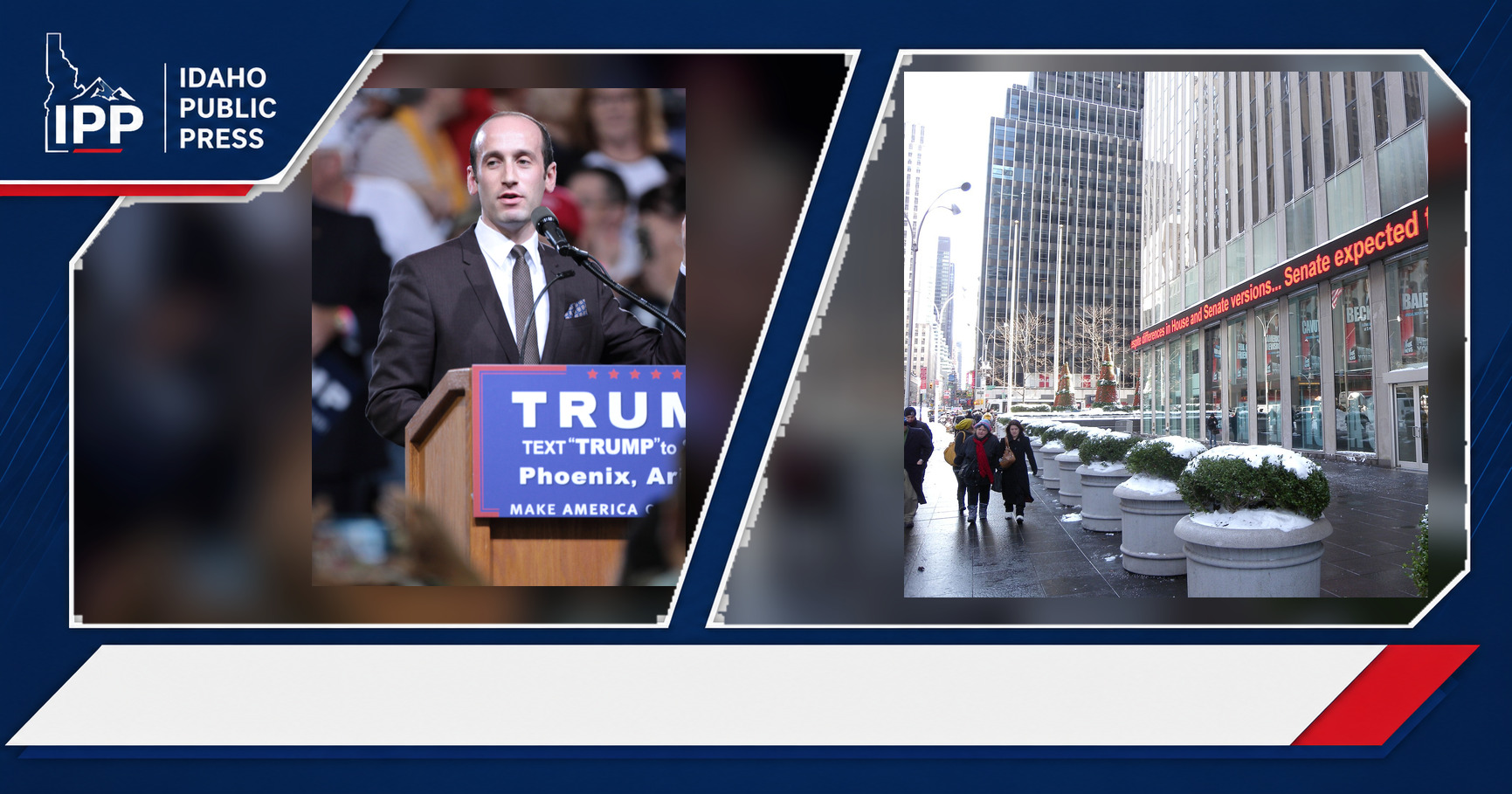
Miller’s attack on Democrats was meant to frame the Trump administration’s agenda as under siege. Instead, one line became the focus of a fast-moving argument over political rhetoric, accountability and who gets to claim the moral high ground.
Stephen Miller delivered a rant on Fox News on Wednesday criticizing the Democratic Party and defending President Donald Trump’s agenda. His remarks, including a claim that Democrats were defending what is “putrid and hateful,” faced backlash online after critics said the line rebounded on Miller and the administration he represents.
The response matters because Miller, the White House deputy chief of staff, is one of the Trump administration’s most prominent advocates for its immigration agenda. What began as a familiar attack on Democratic opposition quickly shifted into a debate over political hypocrisy and the risks of using moral condemnation as a campaign weapon.
Miller’s argument on Fox News
Speaking with Fox News anchor Will Cain, Miller portrayed Democrats and the political left as standing in the way of nearly every major Trump policy priority.
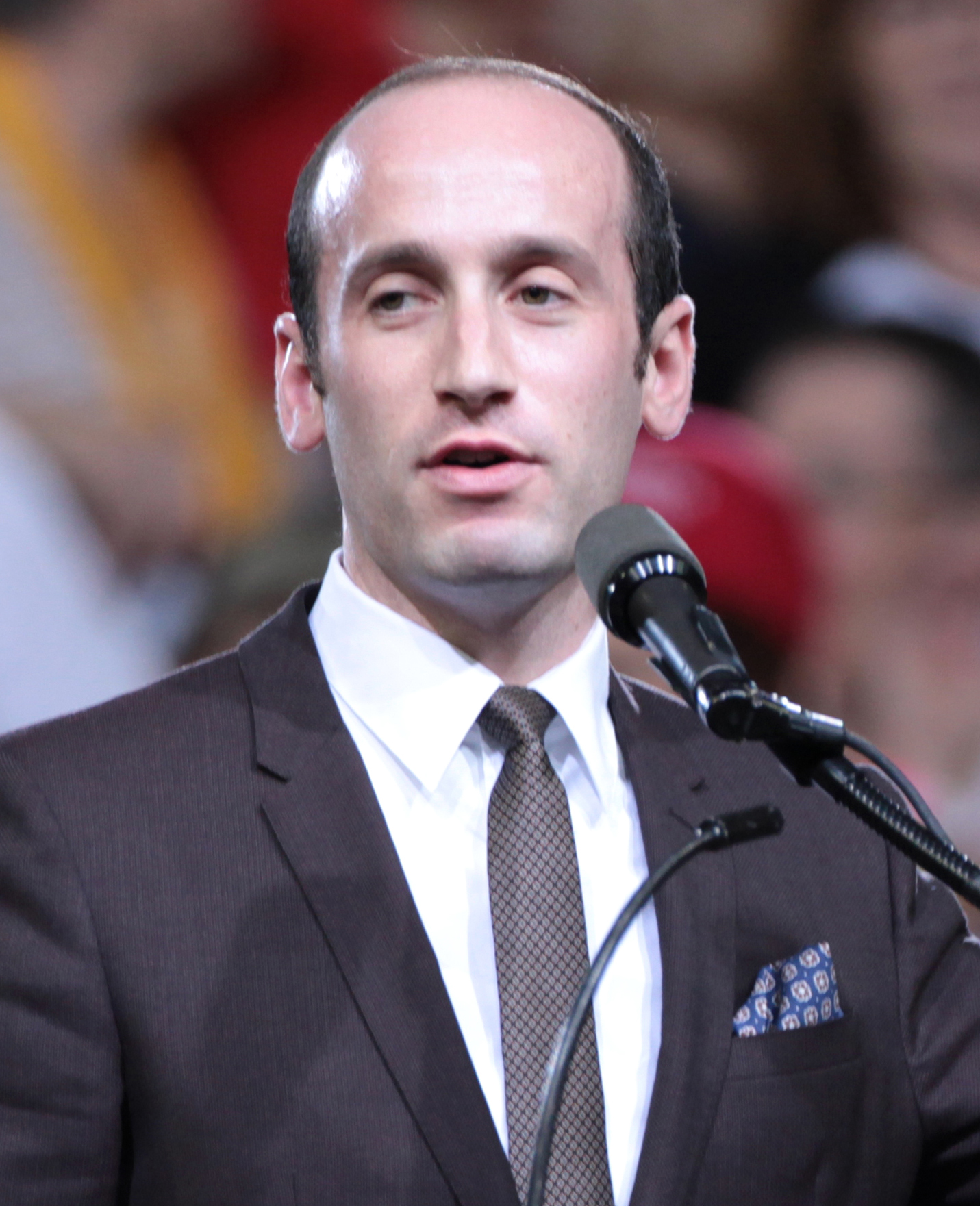
He said Trump’s efforts to dismantle a left-wing ideology were being challenged in court, and he cited border security and deportations as examples of initiatives he said Democrats want to block. The comments reflected a core Trump administration argument: that legal challenges and Democratic resistance are obstacles to public-safety and immigration policies voters support.
Miller then escalated the language. “They are there defending the sexual abusers,” he said of Democrats, before adding that they were defending “what’s putrid and hateful.”
That final phrase became the focal point of the reaction, far more than his broader critique of lawsuits, immigration policy or partisan resistance.
Why one phrase drove the reaction
Political attacks often depend on turning an opponent’s position into a moral indictment. Miller’s wording did exactly that, but it also invited critics to examine the records and associations of the people making the accusation.
Raw Story, which first reported the social-media response, highlighted critics who said Miller’s statement was especially vulnerable to a hypocrisy charge. Their argument was not that the line was unclear. It was that it was too sweeping to survive the immediate comparison critics made with controversies involving Republican officials and Trump allies.
Mehdi Hasan, the founder of Zeteo News and a former MSNBC commentator, responded by referring to Miller as someone who works for an “adjudicated sexual abuser.” The remark alluded to the civil verdict in which a New York jury found Trump liable for sexually abusing and defaming writer E. Jean Carroll. Trump has denied Carroll’s allegations and has continued to challenge aspects of the litigation.
The official MeidasTouch account offered a shorter reaction: “Oof.” But the point behind the criticism was more substantive than the one-word post. Critics contended that Miller’s charge against Democrats created an opening to scrutinize Republicans’ own conduct and their responses to allegations involving powerful figures.
Critics turned Miller’s frame around
Democratic strategist Leslie Marshall was among those who challenged Miller directly. In a social-media post cited by Raw Story, she questioned his claim that Democrats were the party defending abusers and pointed to controversies involving Republican figures, the Epstein files and Texas Attorney General Ken Paxton.
Those are distinct issues with different facts, legal histories and political contexts. Still, the posts show why Miller’s broad accusation landed so poorly with his opponents: it gave them a simple way to redirect the conversation from Democratic policies to Republicans’ credibility.
Progressive writer Polly Sigh made the same reversal more bluntly, writing that Miller’s description was more applicable to Trump and the Republican Party. That response captures the mechanism of the alleged backfire. Miller set out to define Democrats through a morally charged label; critics used his words as a label for his own side.
That does not mean the criticism resolves the underlying policy fight. Democrats and Republicans remain deeply divided over immigration enforcement, presidential power and the limits of court intervention. It does show how quickly a television talking point can become a liability when it is built around absolute language.
Immigration remained the real target
Behind the viral exchange was Miller’s continuing defense of the administration’s immigration agenda. He argued that Democrats seek to prevent Trump from securing the border and deporting people who are in the country illegally.
Supporters of the administration say its tougher approach is necessary to enforce immigration law, deter unlawful crossings and restore executive authority over border policy. They also argue that lawsuits against Trump initiatives can delay or weaken policies voters elected him to pursue.
Opponents counter that immigration enforcement must remain constrained by due process, statutory limits and constitutional protections. From that perspective, court challenges are not obstruction for its own sake; they are a required check when an administration’s policies may exceed its legal authority or harm people without adequate safeguards.
Miller’s Fox News appearance compressed those competing views into a partisan conflict between action and obstruction. The backlash showed that many critics reject that framing, particularly when it is paired with accusations of moral depravity.
The limits of viral backlash
Online criticism can be immediate and loud, but it is not the same as a measurable change in public opinion or policy. The available reporting documents posts from prominent critics and progressive accounts; it does not establish how Fox News viewers, Republican voters or the broader electorate received Miller’s remarks.
Nor is there evidence in the reporting that Miller withdrew or clarified his statement. The White House and Fox News segment were not presented as responding to the criticism. For now, the clearest outcome is a public dispute over the language itself.
That distinction matters. Calling a political moment a “backfire” can imply a settled verdict, while the evidence here shows a rapid counterattack by opponents. In a polarized media environment, the same confrontation may strengthen supporters’ belief that Miller is forcefully defending Trump while reinforcing critics’ belief that the administration relies on inflammatory rhetoric.
A message built for conflict
Miller has long been one of Trump’s most combative policy messengers, particularly on immigration. His Fox News comments fit a political communications strategy that treats legal, congressional and media opposition as evidence of a larger ideological battle.
The downside of that strategy is that severe accusations carry severe reputational risk. When an official uses terms such as “putrid and hateful,” critics do not have to rebut every policy claim in the interview. They can focus on the messenger, the administration’s record and the contrast between the accusation and past controversies.
Wednesday’s Fox News segment therefore became a small but revealing example of modern political media: a policy argument gets eclipsed by a phrase, a phrase becomes a viral test of credibility, and both sides leave with material for their existing narratives. The unresolved question is not whether Miller and his critics disagree. It is whether the exchange persuades anyone outside the audiences that were already inclined to agree with them.






Leave a Reply