
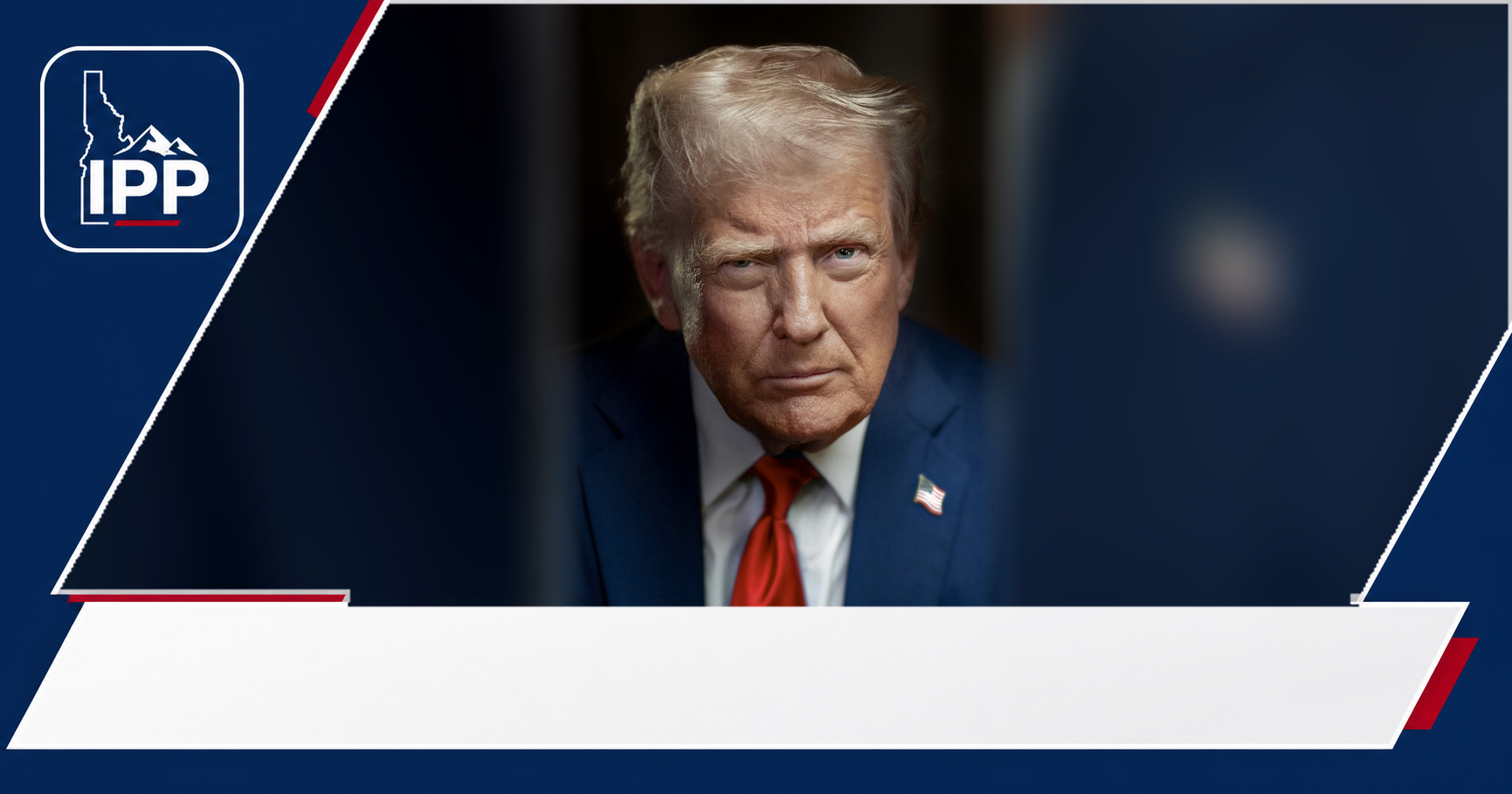
A House Judiciary Committee Democratic staff report puts Trump family cryptocurrency ventures at the center of new self-dealing and foreign-influence allegations. The claims are politically charged, but they also spotlight unresolved questions about presidential ethics rules and crypto regulation.
Donald Trump and the Trump family are at the center of fresh corruption allegations tied to their cryptocurrency businesses. A November 25, 2025, staff report released by House Judiciary Committee Democrats argues that Trump’s “bottomless pool” of controversies now includes crypto ventures that may create conflicts between presidential power, private wealth and foreign influence.
The report is not a court ruling or a finding by an independent watchdog. But its allegations — including claims involving World Liberty Financial, the $TRUMP memecoin, regulatory changes and foreign-linked investment — show why Trump’s business interests remain an unusually consequential political and ethics issue.
A report built around crypto
The report was released by Rep. Jamie Raskin of Maryland, the ranking Democrat on the House Judiciary Committee. It portrays Trump family cryptocurrency projects as a major new channel through which the president and his relatives could benefit financially while Trump oversees an administration shaping crypto policy.
According to the Democratic staff report, Trump family crypto holdings were worth as much as $11.6 billion, while sales of crypto assets generated more than $800 million in the first half of 2025. Those are the report’s estimates and allegations, not independently established figures presented in the source material.
Its central argument is straightforward: when a president’s family has substantial financial interests in an industry, decisions about that industry can carry a conflict-of-interest risk even if no specific quid pro quo is proven.
That distinction matters. Public ethics debates often use “corruption” as a broad term, while criminal corruption has a much narrower legal meaning that generally requires evidence of an illegal exchange, bribery or other prohibited conduct.
What House Democrats allege
The report alleges that Trump and his family expanded their wealth through ventures including World Liberty Financial and the $TRUMP memecoin. It says those ventures attracted money from foreign nationals, state-linked entities and corporate interests that could have reasons to seek access or favorable treatment from the administration.
House Democrats also allege that enforcement actions involving several crypto firms were halted or terminated while the administration pursued a more industry-friendly approach. The report names Coinbase, Gemini, Robinhood, Ripple, Crypto.com, Uniswap, Yuga Labs and Kraken among companies it says benefited from shifts in federal enforcement or policy.
It further claims that the administration dismantled anti-corruption and financial-integrity safeguards, including the Justice Department’s National Cryptocurrency Enforcement Team. The report frames those decisions as helping Trump-linked commercial interests while weakening protections for investors and consumers.
Raskin characterized the activity as self-enrichment and said Congress should investigate the sources of money flowing into Trump family ventures. That is an allegation and political position from the committee’s Democratic minority, not a bipartisan congressional conclusion.
Why the conflict question persists
Presidents are not covered by the same federal conflict-of-interest statute that applies to many executive-branch employees. That gap has long fueled debate over whether presidents should divest from businesses, place assets in truly blind trusts or disclose more detailed information about private financial arrangements.
Trump has repeatedly argued in past ethics disputes that his business interests were managed separately and that his policies were designed to serve the country, not his companies. Supporters often say criticism of Trump’s business dealings treats normal commercial activity as proof of misconduct and applies a harsher standard to him than to other political figures.
Critics take the opposite view. They argue that the appearance of access being sold can damage public trust even without evidence sufficient for a criminal case. Crypto intensifies that concern because digital assets can move quickly across borders, ownership structures can be difficult to track and political branding can make a financial product part of a president’s public identity.
The important question is not whether every controversial transaction automatically proves corruption. It is whether the public can reliably tell who is funding a president-linked venture, what they expect in return and whether official decisions are insulated from those financial relationships.
The evidence still needs testing
The House Democratic report assembles a forceful case, but readers should separate documented policy actions from its conclusions about motive. A regulatory rollback, a pardon or the end of an investigation may be controversial; proving that it occurred because of a private investment requires more specific evidence.
The source material does not include a response from Trump, the White House, the Trump family businesses or the crypto companies named in the report. It also does not establish that a law-enforcement agency or court has found Trump guilty of corruption in connection with the crypto allegations.
That does not make the ethics questions disappear. It means the claims need the kind of scrutiny that political reports frequently demand but do not themselves replace: public records, financial disclosures, transaction data, testimony, investigative reporting and, where warranted, independent oversight.
There is also a partisan reality. Committee minority reports are designed to shape public debate and pressure the governing party. Their findings can identify legitimate issues, but their language and framing should be assessed with the same caution applied to any document produced in an active political fight.
Crypto turns ethics into policy
What makes this episode bigger than a standard financial-disclosure dispute is the policy overlap. Cryptocurrency is not a side business with little connection to government; it is an industry affected by securities enforcement, banking rules, tax policy, sanctions, consumer protection and national-security decisions.
That creates a direct public-interest issue. If presidential policy can affect the value, legitimacy or legal exposure of ventures associated with the president’s family, disclosure alone may not answer the underlying conflict question.
House Democrats are using their report to argue for stronger campaign-finance, anti-bribery and conflict-of-interest protections. Whether those proposals gain traction will depend on congressional power, public pressure and whether further evidence emerges to support or challenge the report’s most serious claims.
For now, the most defensible takeaway is narrower than the rhetoric. Trump’s family crypto ventures have created a new set of high-stakes ethics allegations. The report makes a case for investigation, but it does not settle the factual or legal questions it raises.







Leave a Reply