
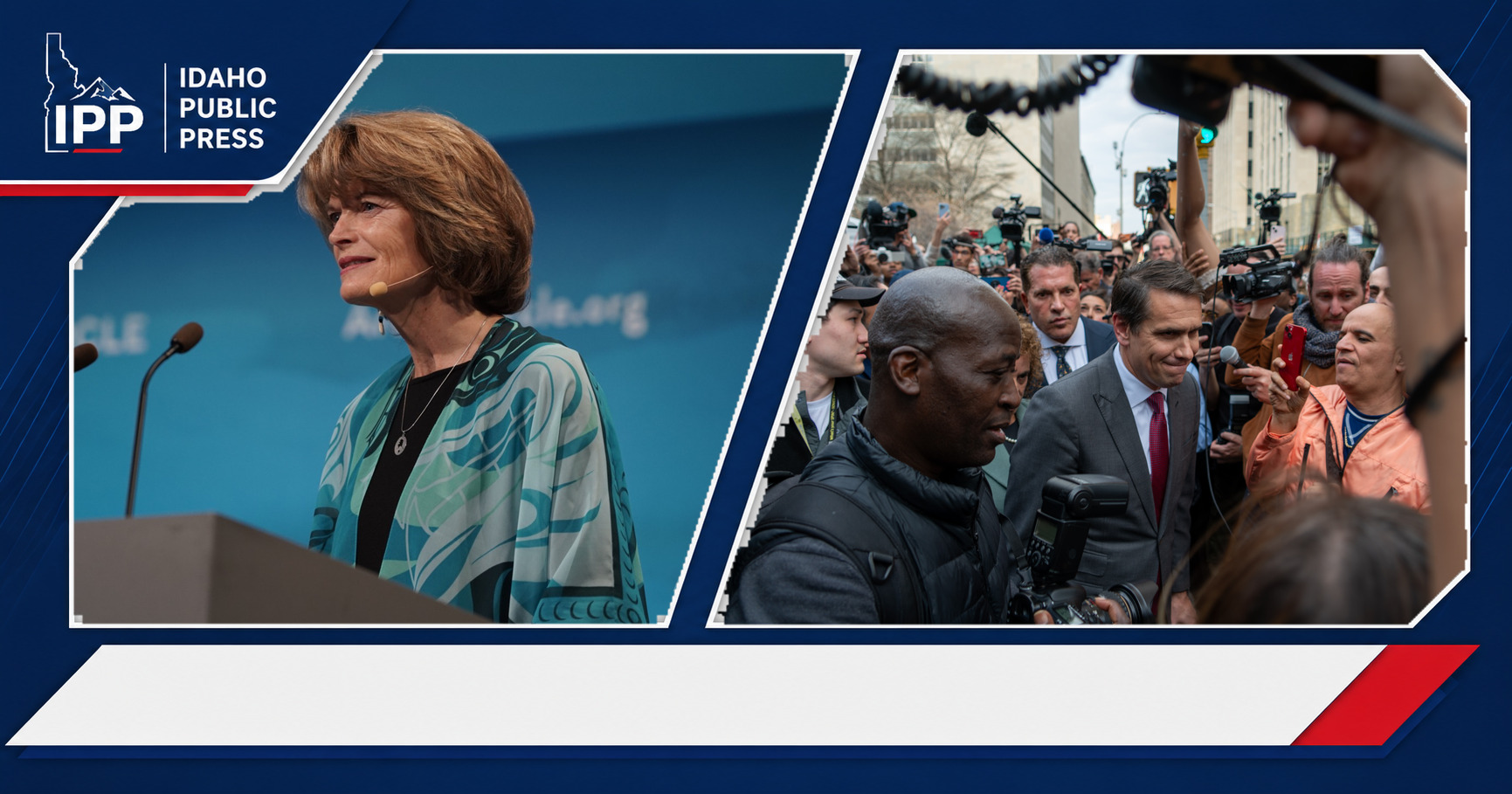
Lisa Murkowski has joined Susan Collins in opposing President Donald Trump’s pick to lead the Justice Department. Her vote raises the pressure on a small group of Senate Republicans who could decide whether Todd Blanche is confirmed.
Republican Sen. Lisa Murkowski of Alaska said Friday, August 7, 2026, that she will oppose Todd Blanche’s nomination to be attorney general, narrowing the Washington, D.C., confirmation path for President Donald Trump’s choice to lead the Department of Justice. Murkowski cited the department’s handling of Jeffrey Epstein-related files, a tax-audit immunity agreement involving Trump and a proposed $1.8 billion fund.
Her decision matters because Blanche’s Senate margin is now exceptionally tight. Murkowski joins Republican Sen. Susan Collins of Maine in opposition, leaving unanswered whether enough other GOP senators will back Blanche to confirm him — and whether written concessions made before the vote will ease the concerns around his nomination.
Murkowski’s case against Blanche
Murkowski framed her opposition as a question of independence at the Justice Department. In a statement reported by the Associated Press, she said the country needs an attorney general willing to check what she called the administration’s worst impulses.
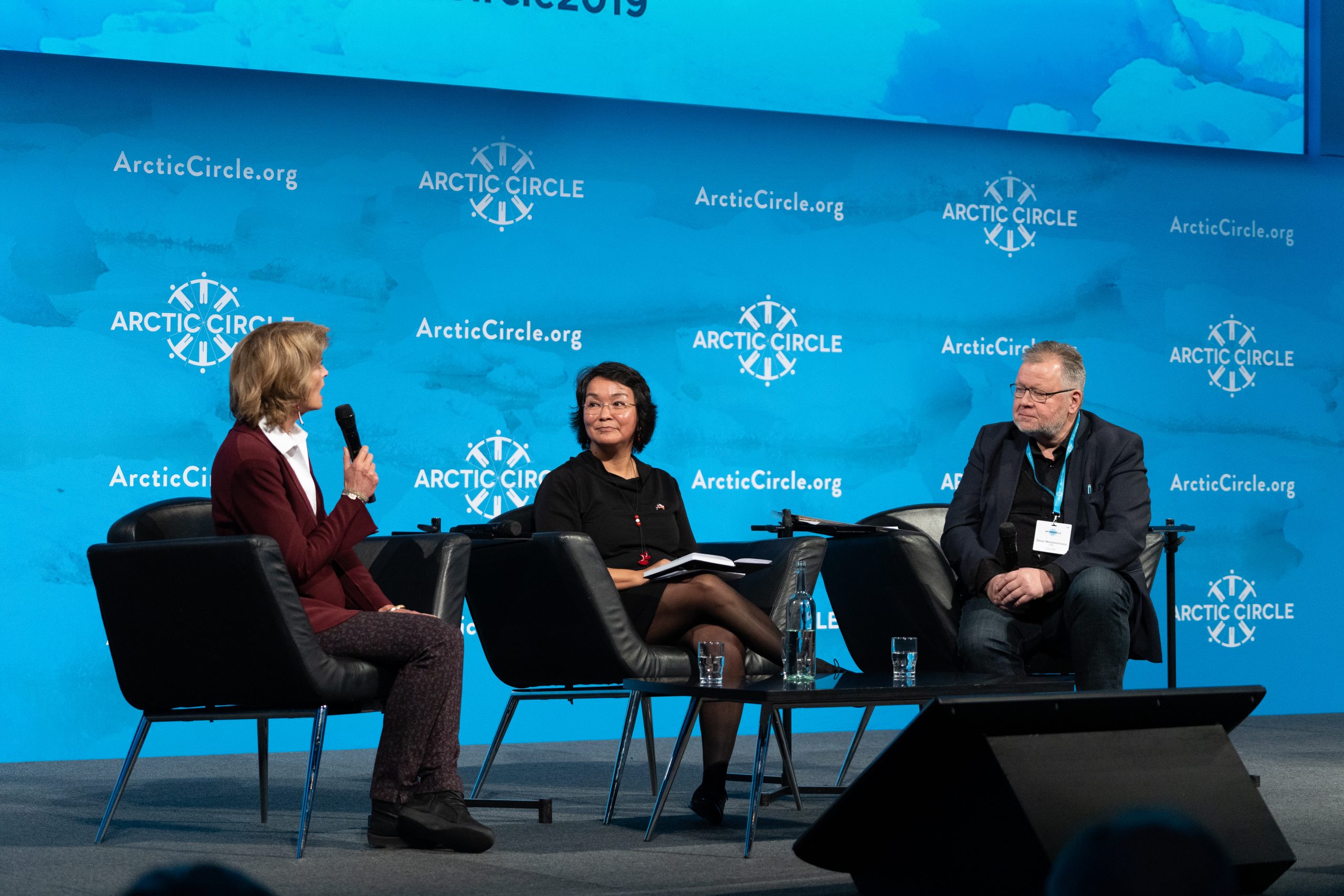
She said she did not have confidence Blanche would do so if confirmed. That is a pointed concern for a nominee who previously served as Trump’s criminal defense lawyer and later entered the Justice Department as deputy attorney general.
Blanche has been serving in the department’s top role on an acting basis after Pam Bondi’s removal in April, according to AP. A failed confirmation would not necessarily immediately remove him from a senior Justice Department job, but it would be a significant political setback for the White House.
Three issues drove her decision
Murkowski pointed to three disputes that have followed Blanche’s nomination: the Justice Department’s handling of records connected to convicted sex offender Jeffrey Epstein, a settlement related to Trump’s lawsuit over leaked tax returns, and the proposed Anti-Weaponization Fund.
The tax settlement drew bipartisan unease because it included protection from certain IRS audits for Trump and family members. Lawmakers and legal experts have questioned whether those protections are lawful. A federal judge who had overseen the IRS matter described Trump’s lawsuit as an improper exercise in self-dealing, AP reported.
The proposed $1.8 billion fund has been another major sticking point. It was intended to compensate people who believe they were mistreated by the criminal justice system, and critics argued it could benefit Trump allies. Murkowski said the Senate’s leverage over the proposal exists in part because Blanche’s confirmation remains unresolved.
Her warning was straightforward: once senators vote, she said, the ability to press for assurances may disappear, and the future of the fund could become harder to predict.
Republicans secured a written deal
Before the Senate Judiciary Committee advanced Blanche’s nomination, two Republican senators who had threatened to block it — John Cornyn of Texas and Thom Tillis of North Carolina — reached an agreement with the Justice Department.
Under that arrangement, Blanche formally rescinded the Anti-Weaponization Fund. His written order said there was no fund, according to AP.
The department also clarified that the tax-audit agreement covered only claims that were open when the settlement was reached. It said the agreement did not bar future examination of Trump’s tax filings and applied only to the parties that brought the lawsuit: Trump, two of his sons and the Trump Organization.
Those steps were enough to move Blanche through committee. They were not enough for Murkowski, and Democrats contend the written actions do not permanently prevent a future administration move to revive the fund. They have called for legislation that would bar it outright.
The vote math is suddenly tighter
Senate confirmations generally turn on arithmetic as much as argument, and Murkowski’s announcement makes the arithmetic more precarious. If every Democrat votes against Blanche, he can afford to lose only two Republican votes because Sen. Mitch McConnell of Kentucky is not attending Senate sessions, AP reported.
With Murkowski and Collins opposed, that limit has effectively been reached. Any additional Republican defection could block confirmation, barring an unexpected Democratic vote in Blanche’s favor.
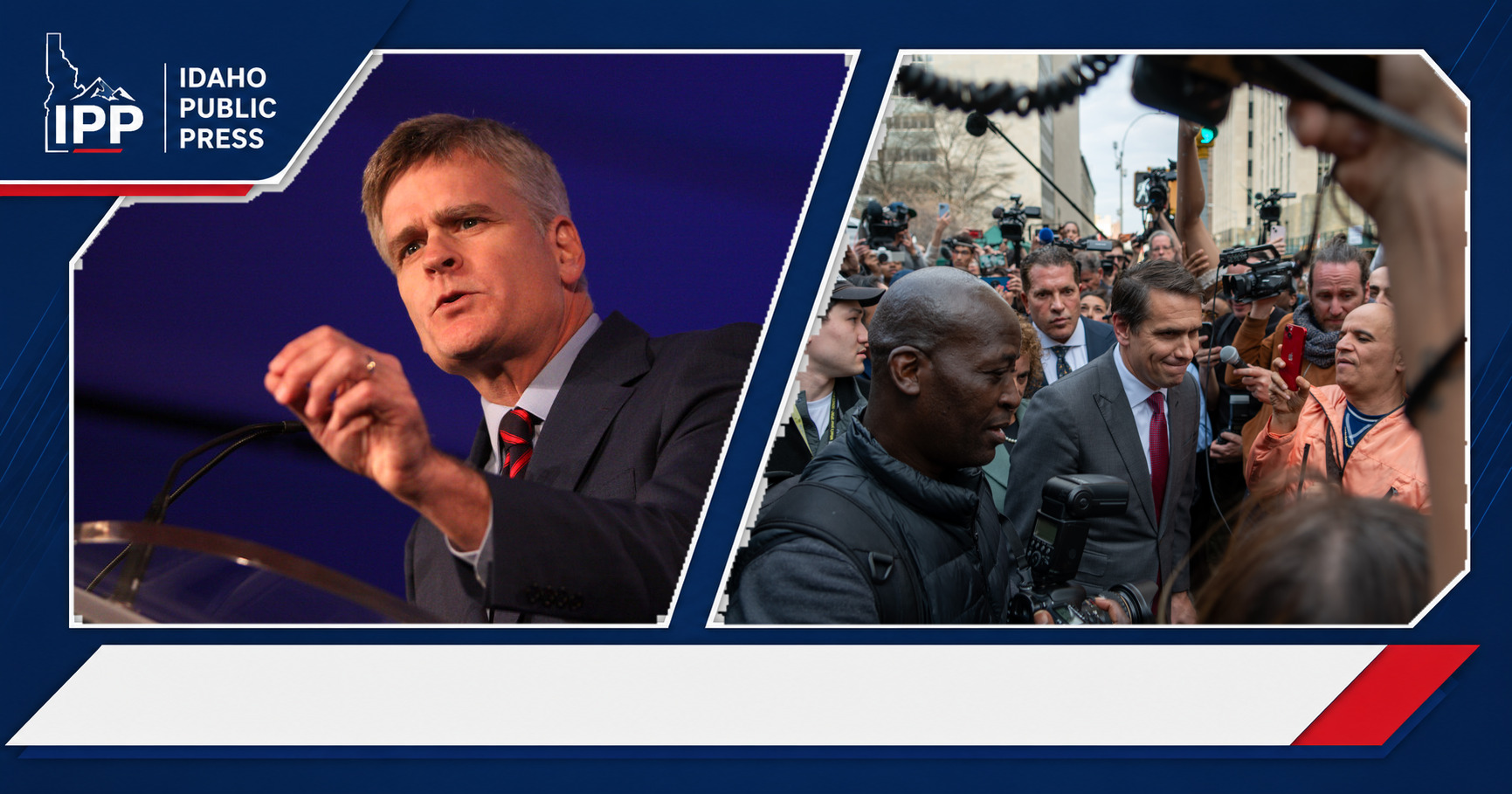
One senator to watch is Bill Cassidy of Louisiana. Cassidy has not announced his position on Blanche. His vote carries added political interest after Trump backed a rival who defeated Cassidy in his primary.
The narrow margin gives individual senators unusual leverage. It also helps explain why the nomination debate has centered so heavily on formal commitments, legal language and whether the administration can be trusted to keep those commitments after a final Senate vote.
Why the attorney general job matters
The attorney general oversees the Justice Department, including federal prosecutors, the FBI and major civil and criminal enforcement decisions. The job carries particular weight during any dispute involving presidential power, potential conflicts of interest or allegations that the justice system is being used selectively.
Supporters of Blanche can point to the department’s written clarification on the tax agreement and his order rescinding the proposed fund. They may also argue that an attorney general should be judged on the policies and legal obligations he adopts in office, not solely on his past work for the president.
Opponents see a different risk. Murkowski’s statement suggests she believes Blanche has not shown enough separation from Trump, especially given the tax settlement and the administration’s shifting signals about the compensation fund.
The disagreement is therefore larger than one nominee. It is about what practical limits, if any, the Senate can impose on a Justice Department led by a president’s former defense lawyer.
What remains before a final vote
No final confirmation outcome was settled by Murkowski’s announcement. Blanche could still prevail if the remaining Republican senators stay with him and the vote proceeds under the expected lineup.
But the nomination now has little room for further erosion. Questions around Cassidy’s position, the durability of the fund’s cancellation and the legal status of the tax-audit agreement are likely to remain central as senators decide whether the Justice Department’s assurances go far enough.
Murkowski’s vote also puts a sharper test before the Senate: whether temporary orders and written clarifications satisfy concerns about executive power, or whether lawmakers will seek stronger, lasting limits before handing Blanche a full term as attorney general.









Leave a Reply