
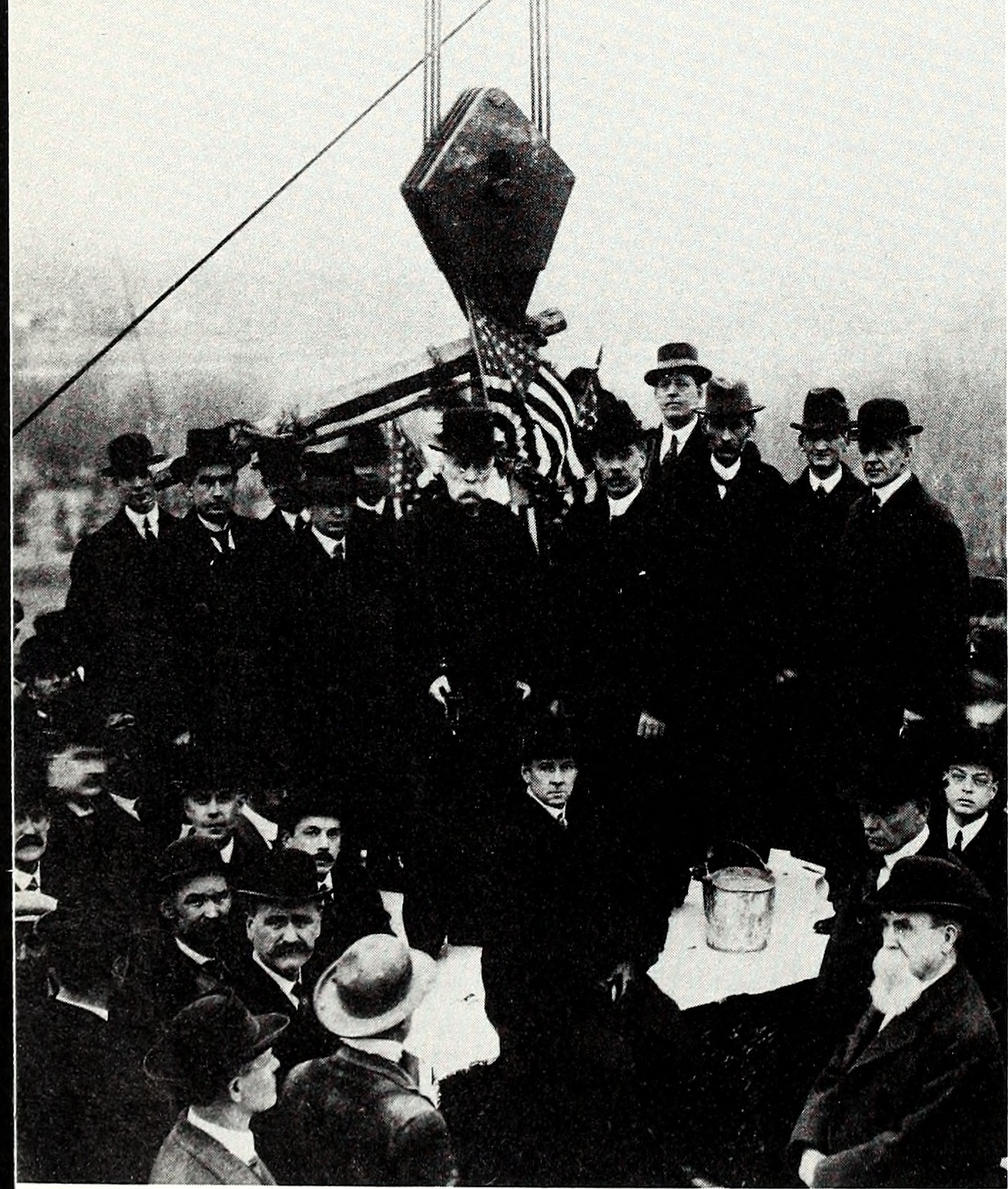
The dismissed case now turns on a bigger question than one alleged act of vandalism: whether prosecutors had the full story before seeking an indictment.
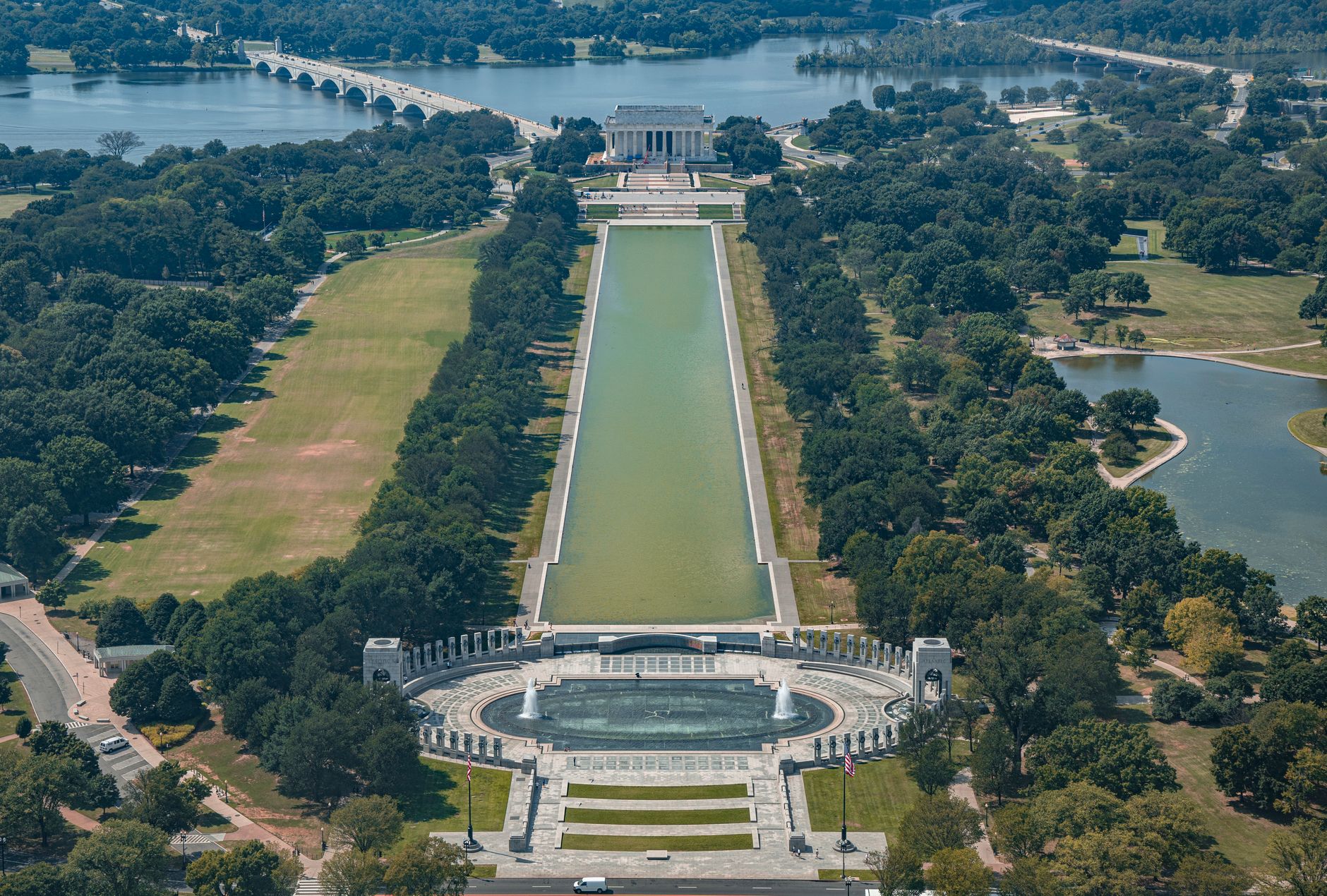
A prosecutor said the government was not forthcoming, and the Justice Department dropped the criminal case against former Olympian David Hearn over alleged vandalism at the Lincoln Memorial Reflecting Pool in Washington, D.C. In a July 31 filing, a Friday, Assistant U.S. Attorney Michael Spence said prosecutors would not have sought the July 2 indictment if the Interior Department had earlier shared records about the $14 million Reflecting Pool work, alleged damage and flawed installation problems from June 2026.
The Reflecting Pool prosecutor’s blunt assessment matters because it reframes a case that initially sounded simple. What was presented as damage at one of America’s most recognizable public spaces may have overlapped with rushed repair work, weather delays and known peeling in the pool liner.
A case collapses before trial
Spence, a Department of Justice prosecutor in the District of Columbia who works under U.S. Attorney Jeanine Pirro, wrote that his office tried early to get “everything” from the Department of the Interior as it pursued Hearn, according to USA TODAY’s account of the court document.
Instead, Spence said the department gave prosecutors “less than fulsome information” at the start and only began “trickling information” about installation issues after repeated follow-ups. His filing said prosecutors reached out “dozens and dozens of times.”
The bottom line was unusually direct: Spence wrote that neither prosecutors nor the grand jury had the fuller set of records before Hearn was indicted. Had the Interior Department been forthcoming with information already in its possession, he said, the government would not have brought the indictment.
That is a serious admission in any criminal case. It does not just say the evidence became weaker. It says the case may never have met the government’s own threshold if prosecutors had received the relevant records sooner.
The damage theory changed
The original prosecution rested on the idea that Hearn caused more than $1,000 in damage and that nearly all of the damage to the Lincoln Memorial Reflecting Pool was due to vandalism, according to Spence’s description of what Interior officials represented to prosecutors.
Later records complicated that theory. The newly surfaced information described a rushed liner installation, heavy rain that repeatedly interrupted the work and long concrete joints beneath and around the pool that made the coating job more difficult.
One of the central issues was peeling around the perimeter of the Reflecting Pool. Spence said that mattered because the perimeter damage was the same kind of damage Hearn had been accused of causing. A July 11 engineer’s report, as described in the filing, said the peeling perimeter would not affect the strength of the liner.
That distinction matters in a criminal case. If an area was already vulnerable to peeling because of installation or repair problems, prosecutors would need far more than visible damage to prove a defendant caused it beyond a reasonable doubt.
Rain, joints and rushed work
The installation records described a project fighting both time and conditions. Atlantic Industrial Coatings, the contractor responsible for the work, had planned to spray coatings onto the bottom of the pool. But the joints in the concrete required testing for a third coating that could seal those areas.
Rain repeatedly stalled the work. A May 7 email from a subcontractor said the project was “significantly behind schedule,” according to the filing. Spence characterized the email as showing urgency and rushing among people tied to the project.
The problems did not appear only after the pool reopened. A quality control inspector found blistering in the liner on May 20 while installation was still underway. Crews repaired it, but heavy rain that night forced workers to pump water out of the pool and mechanically dry the liner.
The filing said spraying around the joints continued into June 2026. The pool was refilled after the bulk of the work was complete, and inspectors finished a final inspection on June 9 as officials prepared for a UFC event on the White House lawn.
Why prosecutors backed away
Spence framed the decision to drop the case as an ethical and legal obligation, not a favor to Hearn. Prosecutors must turn over evidence that could help a defendant, a duty rooted in the Supreme Court’s Brady v. Maryland precedent.
He also cited Justice Department policy, which says a prosecution should continue only when the government believes the defendant will more likely than not be found guilty beyond a reasonable doubt. Once the installation records undercut the vandalism theory, Spence said continuing would violate that standard.
That is the part with broader stakes. A criminal indictment carries consequences even before trial: public suspicion, legal costs and reputational damage. If prosecutors lacked material information before asking a grand jury to indict, the damage to the process is not easily undone.
At the same time, the dismissal does not fully settle what happened at the Reflecting Pool. It means the Justice Department no longer stood behind the criminal case as charged, based on the record prosecutors later received.
Interior’s role remains unresolved
The sharpest unanswered question is why the Interior Department did not provide the information earlier, if the records were in its possession. USA TODAY reported that it had reached out to the department for comment.
There may be more than one explanation for the delay: internal confusion, poor coordination, a narrow reading of what prosecutors requested or a stronger belief within Interior that vandalism was still the main cause. Spence’s filing, however, makes clear that prosecutors believed they had been left without material information during a key phase of the case.
The episode also highlights a common but underappreciated risk in government prosecutions. Prosecutors often depend on another agency’s investigators, engineers or custodians of records. If that agency’s account is incomplete, prosecutors can end up presenting a cleaner story to a grand jury than the evidence supports.
For Hearn, the immediate result is the end of the federal criminal case. For the agencies involved, the harder questions are institutional: how the case was built, who knew about the installation problems and why the records arrived only after repeated demands.
The larger lesson from the pool
The Reflecting Pool is a symbolic setting, but the legal lesson is practical. Public property cases can look straightforward when the alleged damage is visible. They become much murkier when maintenance records, contractor decisions and engineering reports point to preexisting defects.
That does not mean vandalism cannot occur at a site with repair problems. Both things can be true. But a prosecutor must be able to separate damage caused by a person from damage caused by construction flaws, weather, materials or rushed work.
Spence’s filing suggests prosecutors concluded they could no longer make that separation with enough confidence. That is why the case is now notable beyond the Reflecting Pool itself: it shows how technical records can upend a criminal theory that once seemed strong enough for indictment.
The clean takeaway is not that every public agency acted with bad intent, or that every allegation was false. It is that a criminal case built on incomplete records can move too far, too fast. In this one, the Justice Department decided the safer course was to stop.








Leave a Reply