
The report puts banks’ anti-money-laundering duties back at the center of the Epstein scandal. It also raises a harder question: who is accountable when wealthy clients generate red flags for years?
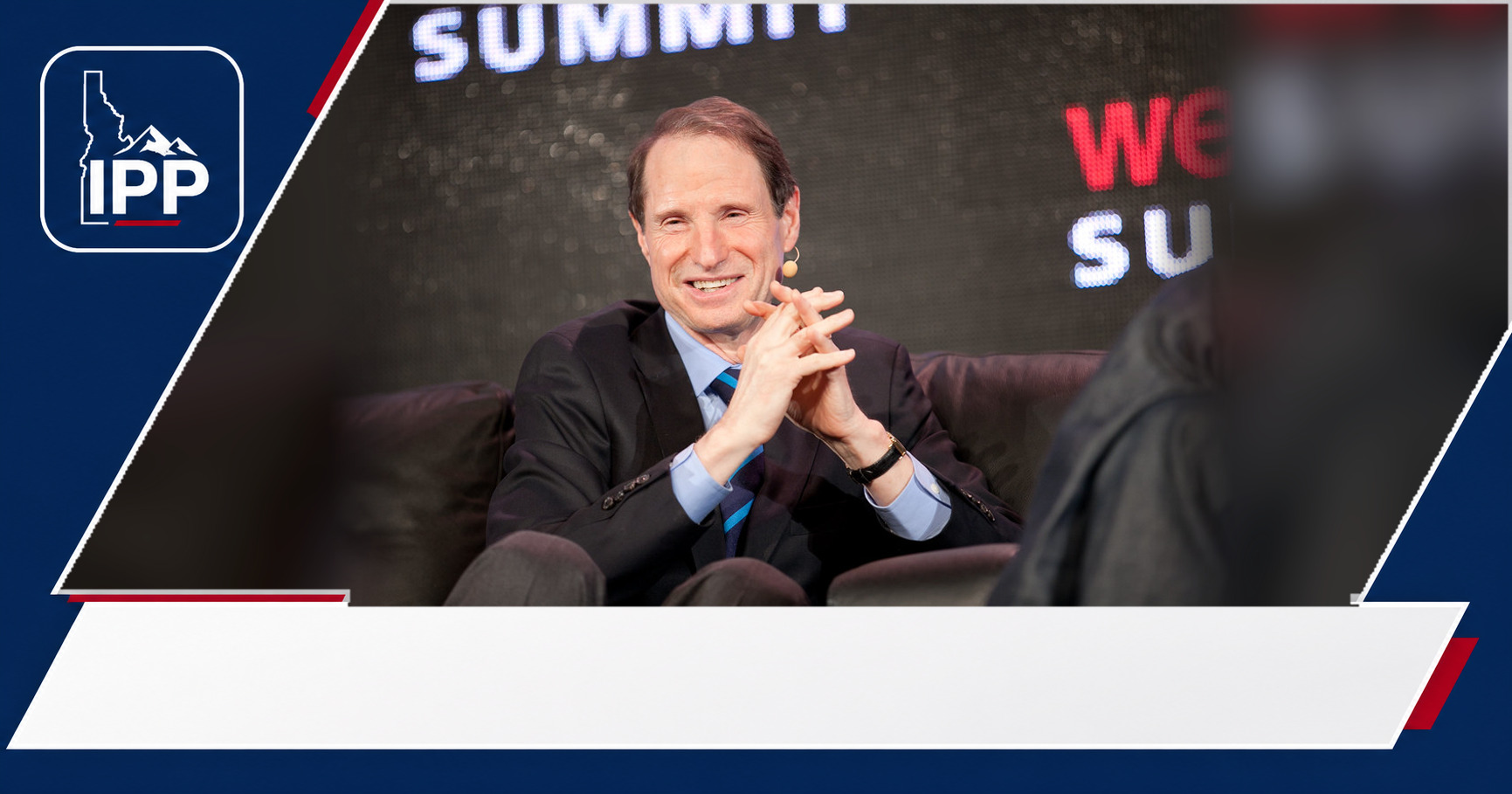
A Senate Democrat-led report alleges major banks ignored or failed to act on Jeffrey Epstein-related activity — that banks looked the other way on Epstein — in a new inquiry released Aug. 4, 2026, by Sen. Ron Wyden of Oregon. The Senate Democrats report, issued through the Senate Finance Committee’s Democratic staff in Washington, D.C., centers on the report’s claims about oversight failures at Wall Street banks and suspicious transfers tied to Epstein.
The stakes are larger than one disgraced financier. Wyden’s report argues that banking compliance systems meant to flag money laundering and human trafficking risks can break down when the customer is rich, connected and profitable.
Wyden’s central allegation
Wyden, the ranking Democrat on the Senate Finance Committee, says his new report, titled Looking the Other Way, caps a four-year investigation into how major financial institutions handled Epstein’s accounts and transactions.

According to a Senate Finance Committee release, the report accuses top officials at multiple Wall Street banks of enabling Epstein to move hundreds of millions of dollars around the world. The committee release says those funds were connected, in the report’s account, to Epstein’s sex trafficking operation.
The report’s core claim is not simply that banks missed isolated warning signs. It alleges that bankers delayed reporting suspicious financial activity to the U.S. government and shielded Epstein from federal scrutiny, potentially violating federal anti-money-laundering laws.
Those are allegations from a Democratic Senate report, not court findings in this new inquiry. That distinction matters. The political force of the report will depend on whether lawmakers, regulators or prosecutors press for records, testimony or enforcement actions beyond what Wyden’s staff has already reviewed.
Banks named in the release
The Senate Finance Committee release specifically references Deutsche Bank, Bank of America and JPMorgan Chase in describing the report’s findings. It says the report includes new details about suspicious activity reported by Deutsche Bank after Epstein’s death, suspicious transfers through accounts at Bank of America, and officials at JPMorgan Chase and other banks responsible for reporting questionable activity.
The release also says the report draws from Suspicious Activity Reports, material from lawsuits and court filings, and requests for information sent to Wall Street banks and the Treasury Department.
One notable thread is the report’s focus on incentives. Wyden’s release alleges some banking officials protected Epstein to gain access to Leon Black and other wealthy clients. It says Wyden’s broader investigation began in 2022 with scrutiny of Epstein’s tax-planning work for Black, a co-founder of Apollo Global Management.
The public summary does not, by itself, provide the full underlying record or the banks’ complete responses. That leaves a central tension: the report makes serious claims about compliance failures, but the next phase will likely turn on documents, testimony and whether regulators accept Wyden’s reading of the evidence.
Why the paperwork matters
Suspicious Activity Reports, often called SARs, are one of the main tools banks use to alert the government to possible money laundering, trafficking, fraud or other financial crime. Filing a SAR does not prove a crime occurred. Failing to file one when clear red flags exist can become a major compliance problem.
Wyden’s report, according to the committee release, argues that Epstein’s transactions generated warning signs that should have produced faster and stronger action from banks. The release says investigators reviewed SARs and more than a thousand pages of Treasury Department documents during the probe.
For readers outside the compliance world, the important point is simple: banks are not just passive money pipes. Federal law requires them to know their customers, monitor risky activity and report suspicious patterns. That obligation becomes especially important when a customer moves large sums across accounts, entities or borders.
The controversy is whether big banks treated Epstein as a high-risk customer or as a valuable relationship to be managed. Wyden’s answer is blunt: his report says the system bent toward protecting access to wealth instead of protecting potential victims or alerting authorities promptly.
A four-year Senate trail
The report did not appear out of nowhere. The Finance Committee release says Wyden’s Epstein-related investigation began in 2022, initially focused on Epstein’s high-priced tax and estate planning work for Leon Black.
In 2024, according to the release, Democratic Finance Committee staff were allowed to review more than a thousand pages of Treasury Department documents in person. Wyden later sought fuller production of Treasury’s Epstein files and renewed the request after the next administration took office promising greater transparency on Epstein matters.
The New York Times reported in 2025 that ten Democratic senators had called for the Senate Banking Committee to hold hearings into the role financial institutions may have played in Epstein-related activity. That push now has a more detailed Finance Committee report behind it.
Wyden’s release also accuses the Treasury Department, Senate Republicans and major banks of obstruction. That charge is politically explosive, but it is also where the public record is still incomplete. The release presents Wyden’s view of resistance he encountered; opposing lawmakers, agencies and institutions may dispute that characterization.
The proposed fix
Wyden is not only asking readers to revisit the Epstein case. He is also using the report to argue for changes to anti-money-laundering law aimed at ultra-wealthy clients.
The recommendations described by the Senate Finance Committee include requiring bankers to personally confirm they have reviewed potentially suspicious transactions in accounts belonging to ultra-wealthy customers. The proposal would also require confirmation that banks conducted required due diligence for large wire transfers.
Another proposed change would increase civil or even criminal penalties for bankers who show patterns of negligence in failing to report suspicious transactions on time. The release says Wyden also wants banks to notify the Treasury Department when a client is exited over concerns involving human trafficking, money laundering or other crimes.
Those ideas would move accountability closer to individual bankers and compliance officials, rather than leaving penalties mainly at the institutional level. Supporters are likely to see that as overdue. Critics may argue it could encourage defensive reporting, overbroad de-risking or excessive personal liability for complex judgment calls.
What remains unresolved
The report lands in a political environment where Epstein-related records have become a recurring test of institutional trust. Wyden’s framing is that following the money can reveal who helped Epstein operate and who failed to stop him.
Still, several questions remain open. Will the Senate Banking Committee or Finance Committee call bank executives to testify? Will regulators revisit any reporting failures described in the report? Will prosecutors view the material as a roadmap, as Wyden suggests, or as a political document built from records that need further verification?
The banks named in the committee release will also face pressure to explain what they knew, when they knew it and how their compliance teams handled Epstein-linked activity. Their answers could shape whether this becomes another round of Epstein outrage or a more concrete fight over banking law.
The clean takeaway is that Wyden’s report shifts attention from Epstein’s personal network to the financial infrastructure around him. If the allegations hold up, the issue is not only that banks saw red flags. It is that the system for acting on those flags may have treated wealth as a reason to hesitate.









Leave a Reply