
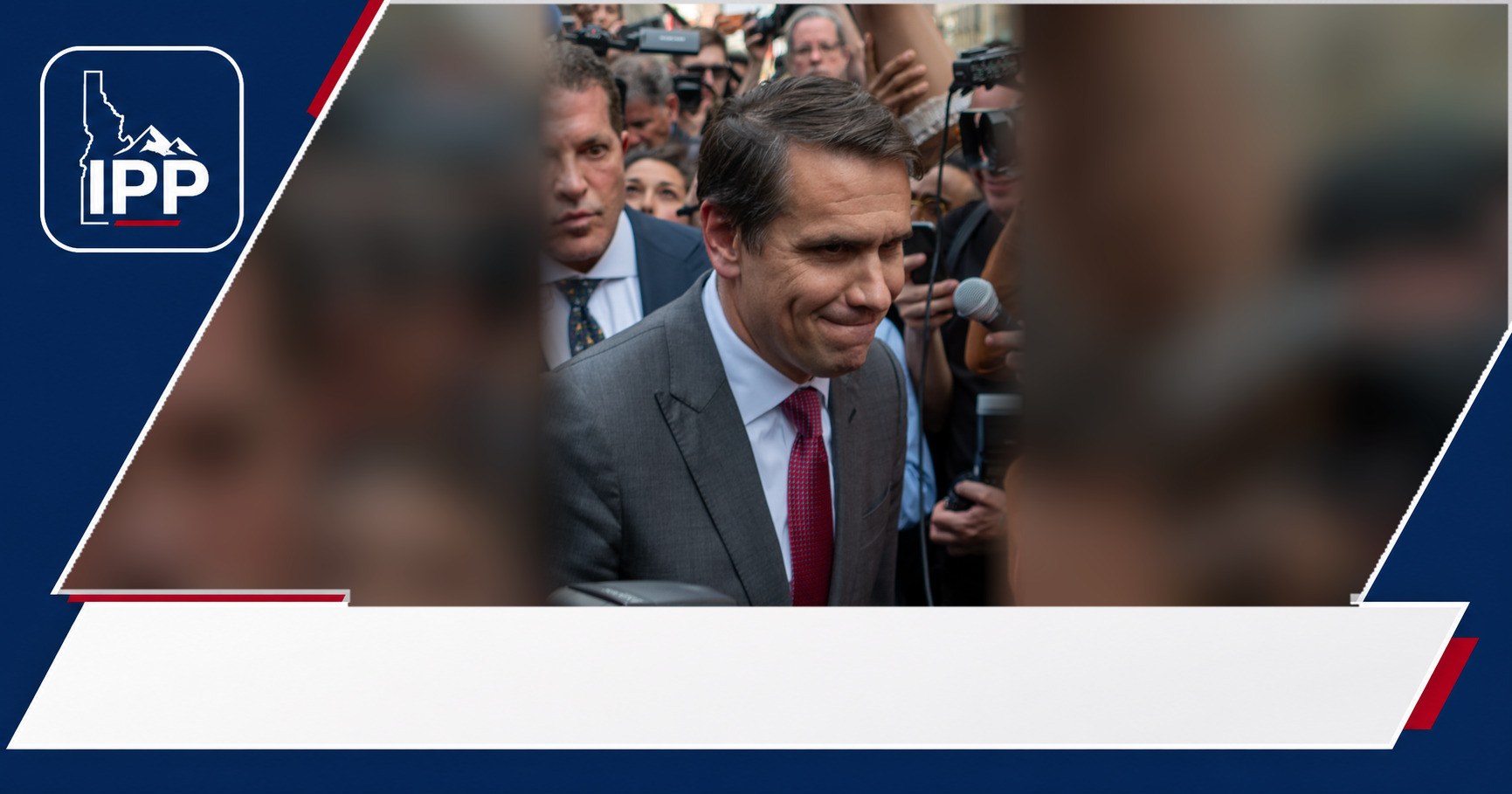
The confrontation matters because one Republican vote on the Judiciary Committee could decide whether Blanche’s nomination reaches the full Senate.
A Republican senator sharply criticized Todd Blanche during a Senate hearing, and the senator demanded that Blanche be fired, turning the Todd Blanche hearing into a confrontation over President Donald Trump’s Justice Department. This article explains the confrontation at the hearing, why a GOP senator goes after a nominee from his own party, and what it means for Blanche’s bid to become attorney general.
The immediate issue is not only temperament. It is Senate math, a disputed $1.8 billion fund, and whether Trump’s pick can survive doubts from Republicans who are supposed to be his safest votes.
A hearing becomes a loyalty test
Blanche entered the hearing as Trump’s choice for attorney general, but the session quickly became more than a standard confirmation ritual. The New York Times reported that his nomination remained uncertain after a rocky hearing in which Republican Sen. John Cornyn of Texas raised serious questions about Blanche’s role in creating a $1.8 billion fund for purported victims of Justice Department persecution.
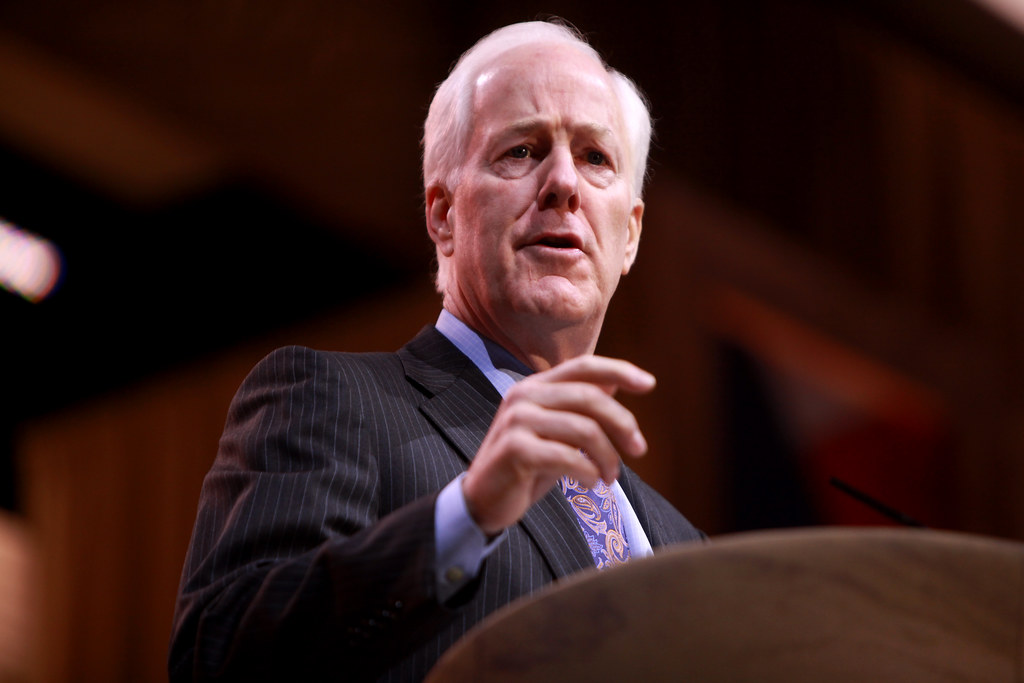
Cornyn is not a random backbencher in this fight. He is a former judge, a senior Republican, and, according to the Times, a senator who had been defeated by a Trump-backed opponent in a primary election. That political position makes his challenge unusually loaded: he is a Republican scrutinizing a Trump nominee while also operating in the shadow of Trump’s influence over the party.
Raw Story’s headline, circulated on MSN, framed the exchange in hotter terms: a GOP senator goes off at a Todd Blanche hearing and a scorched-earth tirade demands firing. Strip away the headline heat, and the substance remains serious. A Republican was challenging whether Blanche could be trusted with the Justice Department’s independence.
The $1.8 billion problem
The center of Cornyn’s questioning was the proposed $1.8 billion fund for people described as victims of Justice Department persecution. For Trump’s allies, the idea fits a long-running claim that federal law enforcement has been weaponized against conservatives and the former president’s movement.
For critics, the fund raises a different concern: that the Justice Department could be turned into a vehicle for political payback, with public money tied to grievance rather than neutral law enforcement. That is why Cornyn’s focus matters. He was not just asking about a line item; he was pressing Blanche on what kind of Justice Department he would lead.
The Times reported that Cornyn also questioned a related agreement granting Trump and his family sweeping immunity from tax investigations. Cornyn displayed the text of the tax provision on a poster behind him and noted that Trump had not agreed in writing to eliminate the fund.
That detail is politically potent. A nominee can promise independence, but written commitments, legal language and enforcement power are what senators examine when a confirmation fight turns serious.
One Republican can change everything
The hearing blowup matters because the Senate Judiciary Committee may be where Blanche’s nomination lives or dies. According to the Times, even a single Republican “no” vote on the committee would block the nomination from moving to the full Senate.
That gives Cornyn’s public skepticism real leverage. It also explains why a confrontation that might otherwise look like a viral political performance has practical consequences. If Cornyn moves from criticism to opposition, Blanche’s path narrows sharply.
Another Republican on the committee, Sen. Thom Tillis of North Carolina, was also described by the Times as undecided, though leaning toward voting “yes.” That leaves Blanche in an uncomfortable place: needing party unity at the same moment the hearing exposed doubts inside the party.
After the hearing, Cornyn did not commit either way. He told the Times, “I don’t have to make a decision now, so I’m not.” That is not a no. It is also not the kind of reassurance a nominee wants after a bruising public exchange.
Blanche as Trump’s DOJ proxy
Blanche’s confirmation is partly about him. It is also about Trump’s broader design for the Justice Department. The Times described the nomination as somewhat symbolic because Blanche could serve in an acting capacity for the rest of Trump’s term, but also as a referendum on the president’s vision of the department as an extension of his power.
That is the deeper argument beneath the hearing theatrics. Supporters of Trump’s approach may see Blanche as someone who would correct what they view as entrenched bias inside federal law enforcement. They may also see the fund as a response to people they believe were harmed by politically motivated investigations.
Opponents see a different risk. If the attorney general is understood primarily as the president’s instrument, the Justice Department’s credibility suffers, especially when questions involve immunity for the president’s own family or funds linked to claims of persecution.
Cornyn’s intervention complicates the usual partisan story. The pressure on Blanche is not coming only from Democrats or outside watchdogs. It is coming from inside the Republican conference, where loyalty to Trump and concern about institutional guardrails can still collide.
What remains unresolved
Several key questions remain open after the confrontation.
- Whether Cornyn’s criticism becomes a vote against Blanche in committee.
- Whether Trump will make a written commitment addressing the disputed $1.8 billion fund.
- Whether Tillis stays on track to support Blanche or joins Cornyn in withholding support.
- Whether the firing demand reflects a broader Republican backlash or a single senator’s pressure tactic.
The firing demand is the loudest part of the story, but it may not be the most important. The more consequential issue is whether Blanche can persuade skeptical Republicans that his Justice Department would operate under law rather than personal loyalty.
For now, Blanche’s nomination is not dead. It is exposed. A hearing that began as a confirmation step has become a test of how much scrutiny Senate Republicans are willing to apply to one of Trump’s most important legal appointments.
The next meaningful signal will not be another sharp line from the hearing room. It will be Cornyn’s vote, Tillis’s final position, and whether Blanche or the White House offers anything concrete enough to quiet Republican doubts.








Leave a Reply