

Federal prosecutors say the cases involve home health care billing, alleged impossible work hours and claims tied to people who were incarcerated, hospitalized or overseas. The charges also mark a broader enforcement push in the Eastern District of Pennsylvania.
The Justice Department charged 19 defendants in an alleged Medicare and Medicaid fraud scheme involving more than $4 million tied to Philadelphia, Pennsylvania, on Tuesday. The federal action, centered in the Eastern District of Pennsylvania, targets home health care company owners, employees, purported aides and Medicaid recipients, according to details from the DOJ announcement reported by Fox News.
The charges are part of a larger health care fraud investigation and coincide with the Justice Department expanding its Northeast Health Care Fraud Strike Force to Philadelphia. That matters because prosecutors are not treating the case as a one-off billing dispute; they are building a local enforcement hub for Medicare and Medicaid fraud cases.
A strike force lands in Philadelphia
The Justice Department said the expansion will create a strike force office in the Eastern District of Pennsylvania and pair the department’s National Fraud Enforcement Division with the U.S. Attorney’s Office for that district.
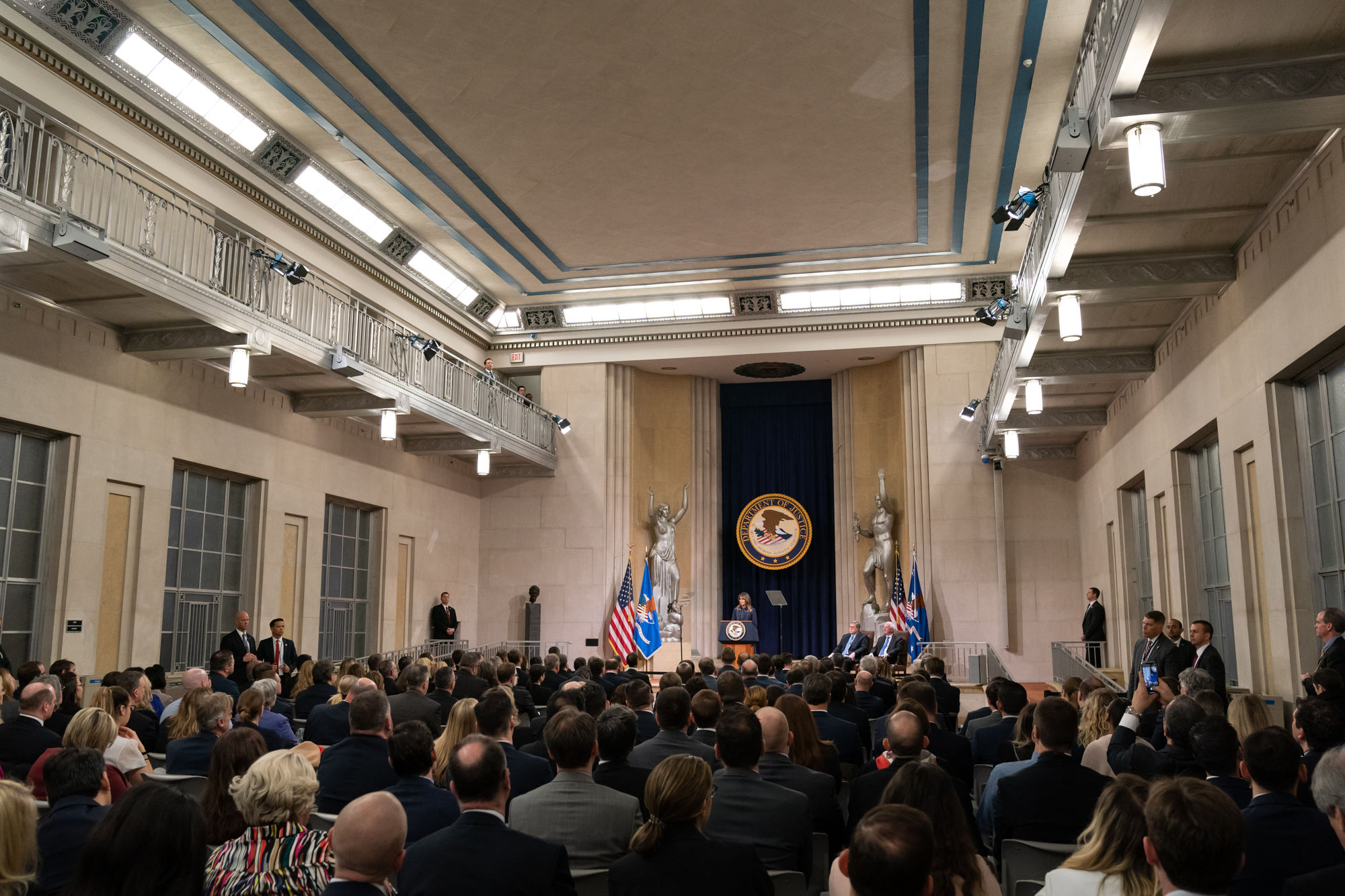
That structure is meant to bring specialized health care fraud prosecutors and investigators into a region that already has a record of pursuing these cases. In a statement cited in the report, DOJ said the move brings “enhanced federal resources” to a district with “an established tradition of strong health care fraud enforcement.”
The department also framed the Philadelphia expansion as a way to pursue people who allegedly use corporate structures to hide fraud. That language is important: federal health care fraud cases often turn on records, ownership roles, payroll systems, patient certifications and billing data rather than a single dramatic event.
The new Philadelphia office is expected to work with the Department of Health and Human Services Office of Inspector General, the FBI, the Drug Enforcement Administration and other law enforcement agencies.
What prosecutors allege
The 19 defendants are accused of participating in schemes involving more than $4 million in claims submitted to Medicare and Medicaid. The defendants allegedly include home health care company owners, employees, purported aides and Medicaid recipients.
Prosecutors say some of the alleged billing was impossible on its face. According to the reported DOJ release, certain defendants allegedly submitted overlapping hours or claimed more than 24 hours of care in a single day.
Other allegations focus on whether services were actually provided. Home health aides allegedly billed Medicaid for care during times when they were incarcerated, hospitalized, working other jobs or traveling overseas. In another case, prosecutors said a Medicaid recipient claimed to need extensive home health assistance while also working as a carpenter.
One home health care agency and its owners were also charged over alleged false clock-ins and clock-outs. Those kinds of timekeeping allegations can be central in home health cases because Medicaid programs often rely on records showing when aides arrived, when they left and what services were provided.
Why home care is vulnerable
Home health care is a major part of the safety net for older adults, people with disabilities and low-income patients who qualify for Medicaid. When it works, it can keep people out of institutions and help families manage care at home.
But the same features that make home care flexible can make fraud harder to spot. Services happen away from hospitals and clinics. Billing may depend on electronic visit logs, aide schedules, patient need assessments and company records that are difficult to verify in real time.
Federal prosecutors have long treated health care fraud as a public-money case and a patient-care case. False billing can drain Medicare and Medicaid funds, but it can also obscure whether patients received the assistance they were approved to receive.
There is another side to the enforcement debate. Home health providers operate in a paperwork-heavy system with complicated state and federal rules, and legitimate agencies can fear being swept into aggressive investigations over documentation errors. That is why the distinction between fraud allegations and proven conduct matters.
The defendants are presumed innocent
The charges are allegations, not convictions. Each defendant is presumed innocent unless prosecutors prove the charges in court, or unless a defendant enters a plea.
That point is especially important in large health care fraud cases, where the government may charge people with different roles and different levels of alleged involvement. A company owner, an employee, an aide and a Medicaid recipient may face very different evidence and potential exposure.
The DOJ’s public framing suggests prosecutors view the alleged conduct as organized enough to warrant a coordinated federal-state response. But the court process will determine what the government can prove, which defendants contest the allegations and whether any cases resolve through pleas.
Pennsylvania Attorney General Dave Sunday also announced a plea agreement involving the final defendant in a previously charged 21-defendant case tied to more than $1.7 million in claims. That separate case adds to the picture of Philadelphia-area home health enforcement, but it is distinct from the newly announced 19-defendant action.
A broader national crackdown
The Philadelphia move fits into a wider Justice Department push around health care fraud. DOJ said the strike force program has recently expanded in California, Arizona, Nevada, Massachusetts and Minnesota, in addition to the Philadelphia office.
The department also cited two national health care fraud enforcement actions involving more than $15 billion in alleged losses in 2025 and more than $6 billion in alleged losses in 2026. Those figures reflect alleged losses, not court judgments, but they show the scale DOJ says it is targeting.
Medicare and Medicaid fraud enforcement tends to draw bipartisan attention because it touches taxpayer spending, health care access and vulnerable patients. The politics can vary, but the enforcement playbook is often similar: data analysis, billing audits, interviews, agency partnerships and charges against people accused of exploiting reimbursement systems.
Philadelphia’s new strike force office gives prosecutors a more permanent platform for that work in eastern Pennsylvania. If the office is active, residents may see more cases involving home health agencies, durable medical equipment, prescription billing or other areas where public insurance dollars flow through private providers.
What remains unclear
Several key details remain to be tested or disclosed through the court process. The public report does not lay out the full charging documents for each defendant, the exact counts each person faces or the potential penalties tied to each case.
It is also not yet clear how many defendants will fight the charges, seek plea agreements or argue that the billing problems were administrative rather than criminal. In fraud cases, intent is often one of the hardest-fought issues.
For patients and families who rely on home health services, the practical takeaway is narrower but important: fraud enforcement can affect local agencies, aide staffing and oversight practices. A crackdown may protect public funds, but it can also create disruption if agencies close, contracts change or workers leave the field.
The Philadelphia case now serves two purposes for DOJ. It is a prosecution of 19 defendants accused in more than $4 million in Medicare and Medicaid claims. It is also the opening statement for a new strike-force presence in the Eastern District of Pennsylvania, where federal authorities say they plan to keep looking closely at health care billing.






Leave a Reply