
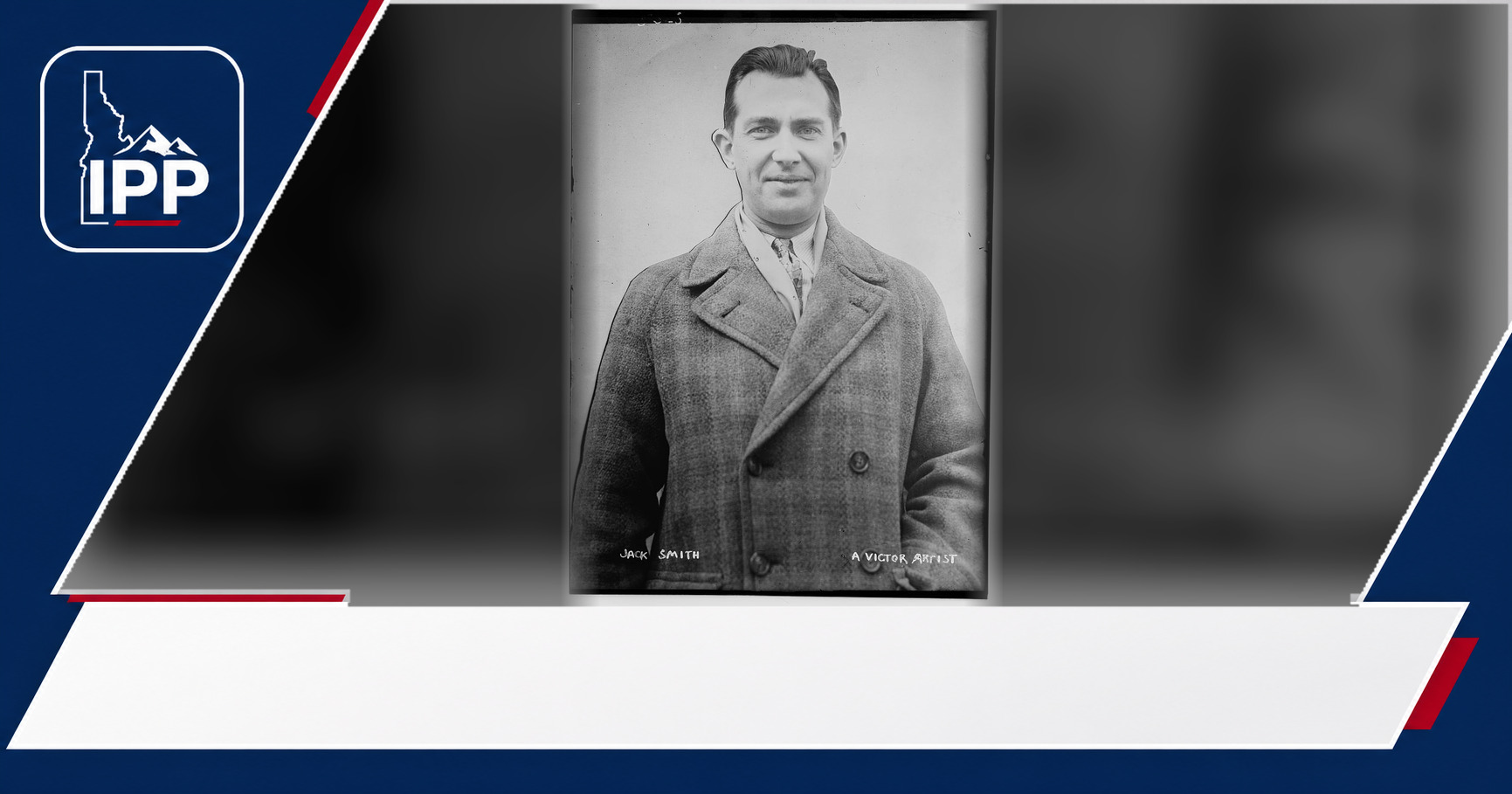
The proposed hearing would put Smith back before Congress as Republicans press questions about his Trump investigations and Smith’s attorneys say he wants to answer publicly.
Jack Smith has been invited to testify before the Senate Judiciary Committee, and the invitation is for next month on Sept. 22. Chuck Grassley made the invitation, the Iowa Republican and committee chair said Monday, setting up a potentially explosive public session with the former special counsel who investigated President Trump.
The immediate question is whether Smith will actually appear. His legal team told Grassley he would testify once he receives permission from the Justice Department, according to a letter obtained by The Hill.
Grassley puts Smith on notice
Grassley announced the invitation in a post on X, saying he was asking Smith to appear before the Senate Judiciary Committee on Sept. 22. Politico first reported the invitation, and The Hill later reported details from Smith’s legal team.
The committee chair framed the move as a demand for transparency around Smith’s work, specifically invoking “Arctic Frost,” the name Republicans have used in connection with parts of the Jan. 6 investigation into efforts to overturn the 2020 election.
That framing matters. Grassley is not merely inviting a former prosecutor to give a retrospective account of a closed investigation. He is trying to turn Smith’s investigative decisions into a live oversight fight, with Republicans arguing that lawmakers and Trump allies were swept too broadly into scrutiny.
Smith’s side is signaling that he does not intend to duck the confrontation. His attorneys wrote that he followed Justice Department policies, complied with legal requirements and made decisions based on the facts and the law.
Smith wants DOJ clearance first
The biggest practical hurdle is the Justice Department. Former officials who handled sensitive investigations often need authorization before discussing internal matters with Congress, especially if the testimony could touch privileged information, investigative techniques or protected records.
Smith’s lawyers said he “looks forward” to appearing in a public hearing to correct what they called mischaracterizations of his tenure as special counsel. That is a notable posture: Smith is not just offering to cooperate; he appears ready to defend the investigation on the record.
Still, permission from DOJ could shape the hearing as much as the senators do. The department could allow broad testimony, limit what Smith may discuss or take more time to review the request. Any restriction would likely become part of the political fight.
For readers trying to track the stakes, the key point is simple: the invitation has been made, Smith’s team says he is willing, but the Justice Department may determine how much of the story can be told in public.
The dispute over lawmakers’ records
Grassley’s push centers heavily on records connected to members of Congress. He said in 2025 that Smith’s “Arctic Frost” probe sought phone records for 10 Republican senators and at least one House member. He also said in July that DOJ notified him the special counsel’s team had obtained lawmakers’ text messages in the Trump investigation.
There is an important distinction in the record. The Hill reported that Smith subpoenaed toll records for lawmakers, which show information such as the timing of calls and texts, not the content of those messages.
Smith’s team was also able to review lawmakers’ text messages with White House staff because White House records must be preserved under law, including communications received from people outside the executive branch. That means some messages may have been available through preservation rules rather than through a direct demand for lawmakers’ personal message content.
That distinction will almost certainly be central if Smith appears. Republicans are likely to argue the investigation intruded on legislative communications. Smith’s defenders are likely to argue that investigators used lawful tools and reviewed records tied to an inquiry into efforts to overturn an election.
Trump probes are back in focus
Smith oversaw two major federal criminal cases involving Trump: one over actions tied to Jan. 6, 2021, and the effort to overturn the 2020 election, and another over classified documents recovered from Mar-a-Lago. Both cases were dismissed after Trump won the 2024 presidential election.
That outcome left both sides claiming vindication in different ways. Trump and his allies have long described the prosecutions as politically motivated. Smith and his supporters have argued that the evidence justified the charges and that the cases ended because of Trump’s return to office, not because the underlying conduct was disproven in court.
Smith has already defended his work once before Congress. In January, he answered questions from the House Judiciary Committee and maintained that evidence gathered by his team showed Trump had engaged in criminal conduct, according to The Hill’s account.
The Senate hearing, if it happens, would put that debate in a different venue. Grassley’s committee has a distinct oversight role, and a public appearance could force Smith to address not only charging decisions but also the investigative steps that touched lawmakers’ communications.
Republicans widen their scrutiny
The invitation also comes after House Judiciary Chair Jim Jordan referred Smith to the Justice Department for potential criminal charges last month. Jordan accused Smith of lying to Congress about subpoenaing lawmaker text messages, though The Hill noted the questioning did not directly ask how the records were obtained.
That referral raises the temperature around the Senate request. If Smith testifies, he could face questions not just about Trump, Jan. 6 and Mar-a-Lago, but about whether he accurately described his team’s record-gathering practices to Congress.
Smith’s attorneys appear to be preparing for exactly that kind of hearing. Their letter says he stands by his decisions and wants a public forum to correct the record. Grassley, meanwhile, says the public deserves accountability.
The competing claims are stark: one side sees oversight of a special counsel investigation that allegedly reached too far; the other sees an effort to recast lawful investigative steps as misconduct after the prosecutions collapsed for political and constitutional reasons.
What remains unresolved
The Sept. 22 date is now the marker to watch, but several pieces are unsettled. DOJ approval is the first. The scope of questioning is another. The committee may also need to negotiate limits on classified, privileged or sensitive investigative material.
It is also unclear whether the hearing would produce new facts or simply give both parties a televised platform. Congressional hearings can reveal documents, timelines and contradictions, but they can also harden already familiar narratives.
For Smith, the hearing could be a chance to answer Republican allegations directly. For Grassley, it could be a chance to press a former special counsel under oath about records, subpoenas and investigative boundaries.
The larger issue is bigger than Smith alone. Congress is testing how aggressively it can scrutinize a special counsel after the fact, while the Justice Department weighs how much a former prosecutor can say about investigations that shaped the politics of a presidency.




Leave a Reply