
The fight puts a politically branded crypto token at the center of a larger question: when does internet hype become a securities-law problem? Warren is pushing regulators to answer.
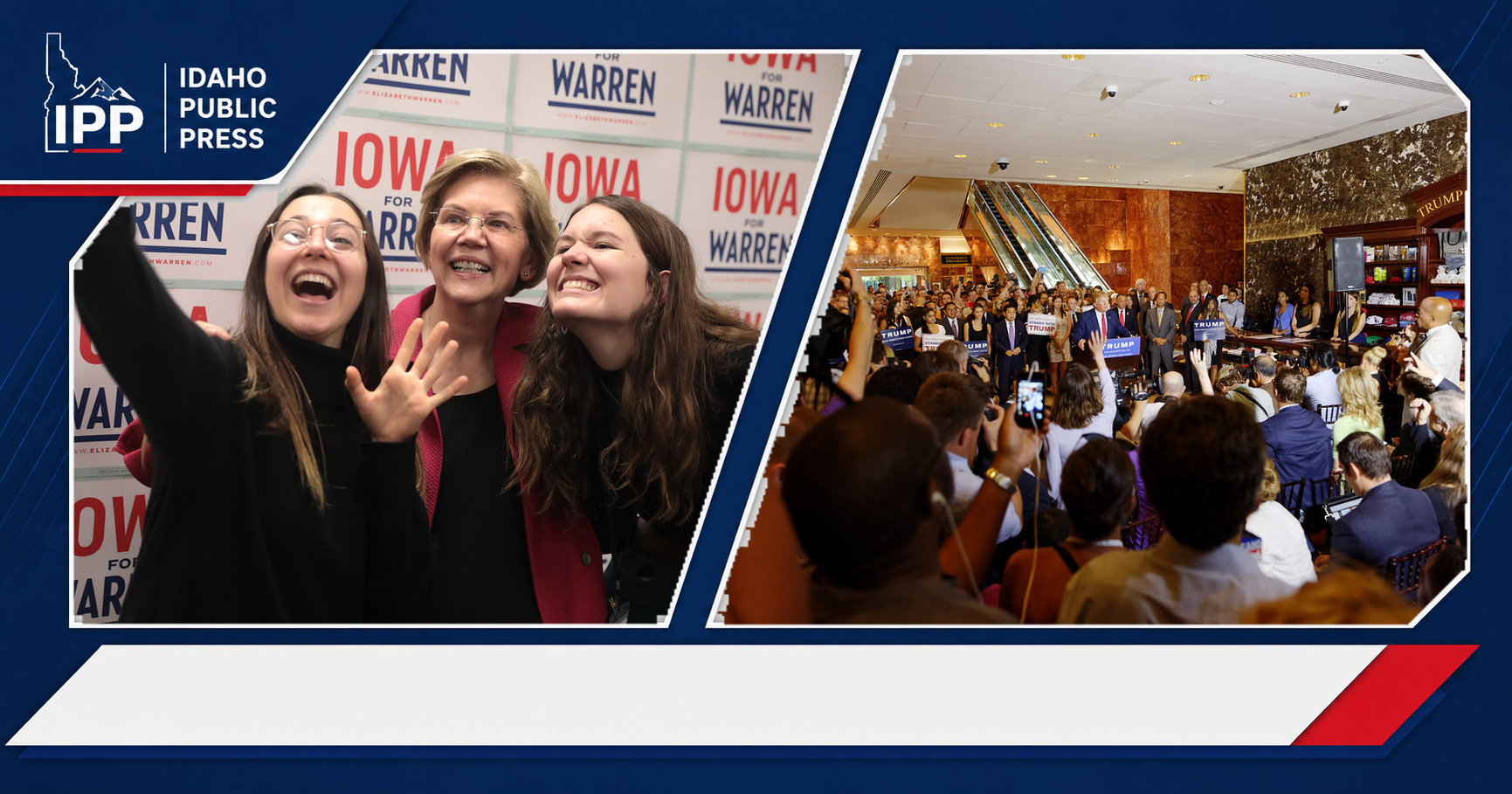
Elizabeth Warren is demanding that the SEC investigate Donald Trump’s memecoin, according to a CNN exclusive; Elizabeth Warren demands SEC scrutiny because Warren says the token may be an illegal scam or rug-pull scheme. This article explains the regulatory concerns behind her formal call for SEC action and why the Securities and Exchange Commission is again central to Washington’s crypto fight.
The dispute is not just about a volatile internet coin. It tests whether political celebrity, presidential financial interests and the crypto market’s loosest products can coexist without stronger federal scrutiny.
Warren’s pressure point
Warren, a Massachusetts Democrat and the top Democrat on the Senate Banking Committee, is asking the SEC to examine whether Trump’s memecoin crossed legal lines, CNN reported. Her demand centers on whether buyers were exposed to an unlawful scheme rather than merely a risky speculative asset.

The phrase at the center of the fight is “rug pull,” crypto shorthand for a project whose insiders or creators allegedly benefit while ordinary buyers are left holding a collapsing token. Warren’s concern, as described in the report, is that a politically branded coin can attract retail investors who may believe association with a powerful figure gives it legitimacy.
That does not mean the SEC has found wrongdoing. It means Warren is pressing the agency to look at whether the token’s launch, marketing, ownership structure or trading behavior warrants enforcement scrutiny.
Why memecoins raise alarms
Memecoins are often built less around a business plan than around attention. Their value can depend on internet culture, celebrity branding, social media momentum and the willingness of later buyers to pay more than earlier buyers.
That makes them different from shares of a company, but not automatically outside legal risk. Regulators can examine whether a product was sold with misleading statements, whether insiders manipulated trading, whether conflicts were hidden, or whether buyers were led to expect profits from the work or reputation of others.
Supporters of looser crypto regulation argue that memecoins are obvious speculation, not traditional securities. In that view, buyers know they are gambling on sentiment, and heavy SEC intervention could turn every online token fad into a federal case.
Warren’s side of the argument is that the “everyone knows it is risky” defense breaks down when a token is tied to the sitting president, promoted into a politically charged market and potentially insulated by agency guidance.
The loophole fight started earlier
This is not Warren’s first run at the issue. A March 21, 2025 release from the Senate Banking Committee’s Democratic staff said Warren and Representative Jake Auchincloss had called on the SEC to explain a legal loophole for Trump’s meme coins.
That earlier letter objected to a staff statement from the SEC’s Division of Corporate Finance. According to the Senate release, the statement asserted that people who participate in the offer and sale of meme coins are not subject to federal securities laws.
The timing mattered to Warren and Auchincloss. The Senate release said the SEC statement came just weeks after Donald Trump and Melania Trump launched $TRUMP and $MELANIA, and the lawmakers argued that the interpretation could shield the president’s and first lady’s coins from regulatory scrutiny.
The lawmakers put the concern bluntly in the release: It is essential that the Commission issue policy proposals designed to benefit the American public—not the President’s bottom line.
A scam claim is not a finding
Warren’s language is aggressive, but legally the key word is “if.” Asking whether a token is an illegal scam is not the same as proving one. The SEC would need evidence, not political discomfort, to bring an enforcement case.
That evidence could involve disclosures, insider holdings, sales patterns, public statements, promotional materials or whether ordinary buyers were misled about who benefited. A rug-pull theory would typically require showing more than a price crash; volatile assets crash all the time without fraud.
The opposing view is that a memecoin can be distasteful, self-enriching or politically awkward without being illegal. Crypto advocates often warn that after-the-fact enforcement chills innovation and punishes buyers for risks they voluntarily took.
But Warren’s argument lands because memecoins occupy a strange zone. They are marketed like culture, traded like assets and sometimes treated by buyers like lottery tickets with a famous face attached.
The SEC’s uncomfortable choice
The SEC is being asked to referee a matter involving the president’s own brand and financial orbit. That raises the political temperature before any legal analysis begins.
If the agency investigates, Trump allies may portray it as a partisan attack dressed up as investor protection. If it declines, critics may say the regulator is avoiding a conflict that sits in plain view.
The earlier SEC staff statement makes the choice more complicated. Staff statements are not the same as rules passed by the full commission, but they can shape market expectations. If market participants believe memecoins are broadly outside securities law, that can embolden launches that would otherwise face tougher compliance questions.
Warren is effectively asking whether that posture created a gap big enough for politically connected crypto products to exploit.
What remains to watch
The immediate question is whether the SEC responds publicly to Warren’s demand or opens any form of review. Not every congressional letter produces an investigation, and not every investigation becomes an enforcement case.
The areas likely to matter are practical and document-heavy:
- Who controlled the Trump memecoin’s supply and when insiders could sell.
- How the token was promoted to buyers.
- Whether any statements about the coin were misleading or incomplete.
- Whether the SEC believes its memecoin guidance limits, or preserves, its fraud authority.
The larger fight is about regulatory credibility. If a politically branded token can draw money from supporters and speculators while sitting beyond meaningful oversight, critics will call that a loophole. If regulators stretch securities law to reach every meme-driven token, the crypto industry will call that overreach.
Warren’s demand forces the SEC to confront that boundary in the most politically sensitive setting possible. The answer will matter not only for Trump’s memecoin, but for the next celebrity, campaign or public figure tempted to convert attention into a tradable token.







Leave a Reply