
The case reopens a larger fight over who controls U.S. tariff policy: Congress or the president. It also could affect import costs, business refunds and how long the new duties stay in place.
Twenty-five U.S. states are suing the Trump administration over new tariffs in the United States, seeking to block a temporary 10% global levy imposed after the Supreme Court rejected many earlier Trump duties. The article explains the states’ legal challenge to the tariffs. The article identifies which states are joining the lawsuit and why the fight matters now.
The case puts President Donald Trump’s trade strategy back in court almost immediately. State officials say the White House is using a new legal route to achieve the same sweeping tariff policy the justices already rejected; the administration says Congress gave the president that authority.
The states in the coalition
The lawsuit is being described as a 25-state challenge led by Democratic officials. Reporting from the BBC, citing Reuters, says the complaint was filed in the U.S. Court of International Trade by state prosecutors and Democratic governors, with New York, California, Oregon and Arizona among the leaders.
The states identified in the reported coalition are:
- Arizona
- California
- Colorado
- Connecticut
- Delaware
- Hawaii
- Illinois
- Kansas
- Kentucky
- Maine
- Maryland
- Massachusetts
- Michigan
- Minnesota
- Nevada
- New Jersey
- New Mexico
- New York
- North Carolina
- Oregon
- Pennsylvania
- Rhode Island
- Vermont
- Washington
- Wisconsin
The political alignment is central to the case: the officials challenging the tariffs are Democrats, while the White House is defending a signature Trump economic policy. But the legal issue is broader than party politics, because the case turns on where tariff power sits under federal law and the Constitution.
Why these tariffs are different
The new tariffs came after the Supreme Court ruled that many earlier duties announced by Trump were illegal, according to the BBC/Reuters account. The White House responded by turning to another statute: Section 122 of the Trade Act of 1974.
That law allows a president, under certain conditions, to impose tariffs of up to 15% for 150 days without Congress. The administration imposed a temporary 10% tariff and has argued it is aimed at serious balance-of-payments problems and large U.S. trade deficits.
State officials say that move is not a narrow emergency tool but a workaround. Their argument is that Section 122 was not designed to let a president impose broad tariffs to address general trade imbalances, especially after the Supreme Court rejected a prior attempt under a different law.
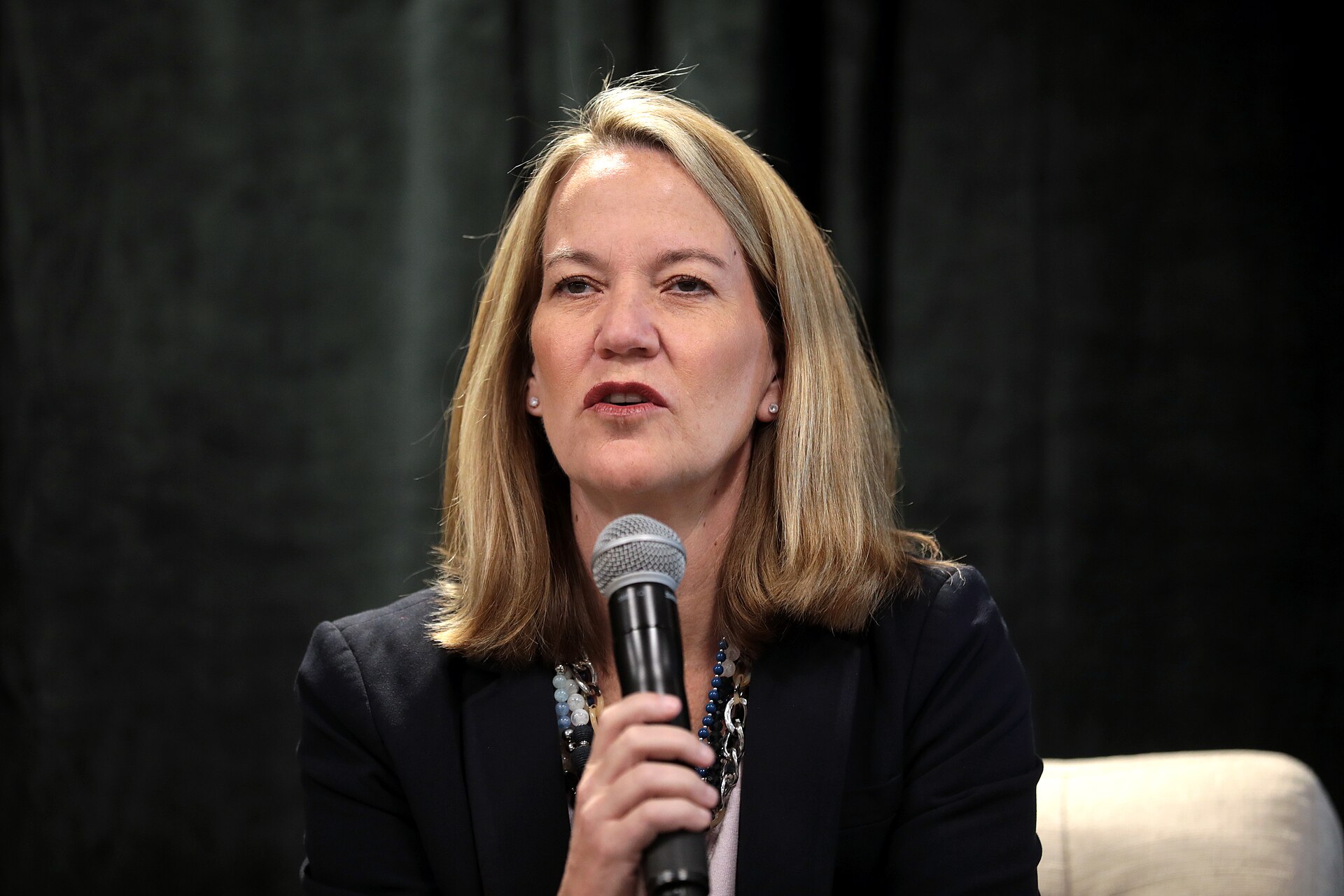
Arizona Attorney General Kris Mayes put the argument bluntly at a news conference reported by the BBC: Trump is calling the new approach a fix, she said, but the states view it as the same “illegal power-grab” under another statute.
The constitutional fight underneath
Tariffs are taxes on imports. That is why the lawsuit is about more than the price of foreign-made goods. The states argue that sweeping tariff decisions belong to Congress, not the president acting alone.
The complaint, according to the BBC/Reuters report, says the Trump administration’s tariff move violates the Constitution because Congress has the power to impose taxes and duties. In that view, the White House cannot transform limited delegated authority into a broad tool for reshaping global trade.
The Trump administration reads the law differently. White House spokesman Kush Desai said the president was using authority granted by Congress to address international payments problems and U.S. balance-of-payments deficits, and said the administration would “vigorously” defend the tariffs in court.
That sets up a familiar but high-stakes separation-of-powers fight: how much room does a president have when Congress has passed a trade statute, but the administration uses it in a way opponents say is far beyond what lawmakers intended?
Businesses are watching refunds
The lawsuit lands at an awkward moment for companies that import goods. Tariffs can raise costs quickly, and businesses often have to decide whether to absorb those costs, renegotiate supply contracts or pass higher prices to customers.
The states are asking the court to block the new tariffs and seek refunds for Section 122 levies, according to the BBC/Reuters report. That matters because tariff cases are not only symbolic. If the courts side with challengers, importers may be entitled to money back.
There is already movement on that front. A federal judge recently cleared the way for thousands of businesses to receive refunds for tariffs the Supreme Court struck down, ordering Customs and Border Protection to issue payments, the BBC reported.
For consumers, the connection is less direct but still real. Tariffs are charged to importers, not foreign governments, and those costs can flow through supply chains into prices for everyday goods. How much reaches shoppers depends on the product, the seller and the market.
The White House’s trade bet
Trump has long used tariffs as both an economic tool and a negotiating tactic. Earlier duties, some beginning at 10% and rising above 40% for goods from certain countries, helped trigger trade negotiations as governments sought lower rates in exchange for investment pledges and other concessions.
The administration’s defense is that broad tariff authority is needed to respond quickly to trade and payments problems. Supporters of that view tend to see tariffs as leverage: a way to pressure trading partners, protect domestic industries or reduce deficits without waiting for Congress to pass a new law.
The states challenging the plan see a different risk. If the president can repeatedly shift from one statute to another after losing in court, they argue, congressional limits on tariff authority become much weaker in practice.
That is why this case could matter even if the 10% tariff is temporary. A ruling for the administration could strengthen future presidents’ ability to impose import taxes quickly. A ruling for the states could force the White House back to Congress or into narrower trade actions.
What happens next
The case is now in the U.S. Court of International Trade, the specialized federal court that handles many customs and tariff disputes. The states want the court to stop the tariffs from being implemented and to order refunds tied to the new levies.
The immediate question is whether the court grants fast relief. California Attorney General Rob Bonta said the lawsuit could bring relief to businesses and consumers “very soon,” according to the BBC/Reuters account, but the timing depends on the court.
Several points remain unsettled: whether Section 122 can support a broad global tariff, whether the administration’s balance-of-payments rationale satisfies the statute, and how the Supreme Court’s earlier tariff ruling will shape the next round.
The clean takeaway is this: the new tariff fight is a test of presidential power after a major courtroom loss. The states want the courts to shut down what they see as an unlawful rerun. The Trump administration says it is acting under authority Congress already gave it.






Leave a Reply