
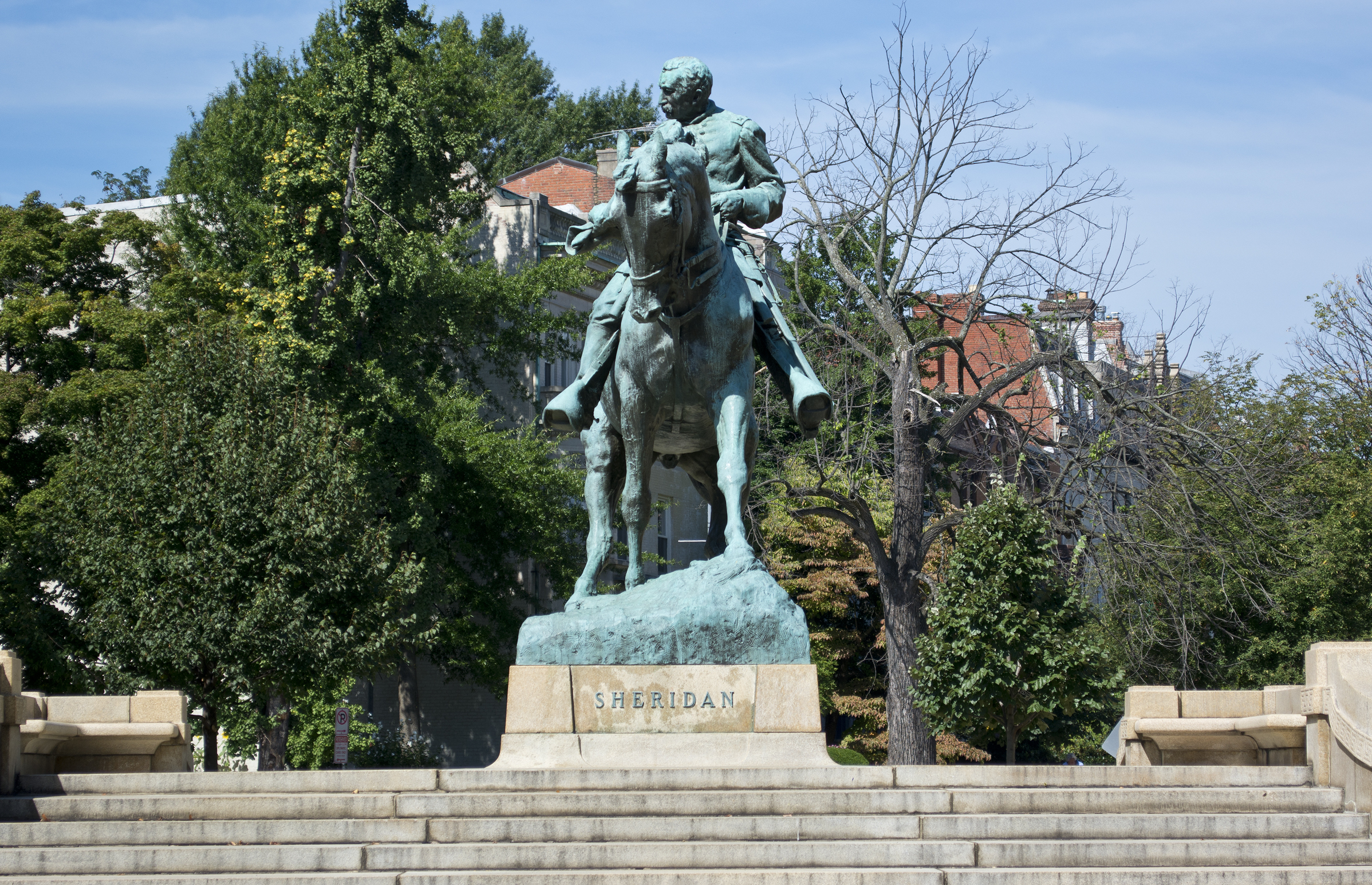
The project is real, but the shorthand can mislead: officials are restoring historic bronze statues with gold leaf, not casting horses in solid gold. The political fight is over the price, the timing and the message.
A $5 million federal project to restore four bronze horse statues near the Lincoln Memorial has become the kind of Washington story built for outrage: taxpayer money, gold, Trump and a deadline tied to national pageantry.
The core claim is not invented. People, citing a NOTUS report, said the National Park Service awarded a contract to repair and regild four equestrian statues with 23.75-karat gold leaf. The fight is over whether that is careful preservation, political vanity, or both.
A $5 million shine in D.C.
The statues sit near one of the most symbolic stretches of federal space in the country, around the Lincoln Memorial and the Arlington Memorial Bridge approach. They are not random lawn ornaments. They are part of the monumental landscape visitors pass through when moving between the National Mall and Arlington.
According to People, which credited NOTUS with first reporting the price tag, the National Park Service awarded a $5 million contract in mid-April to a Maryland gilding studio. The work covers four bronze horse statues known as the Arts of War and Arts of Peace.
The contract reportedly calls for repair work and a new layer of 23.75-karat gold leaf. That detail matters: gold leaf is extremely thin, even when described as extra thick. The project is not about casting solid gold horses, but about applying a gilded surface to historic bronze sculptures.
The Department of the Interior, which oversees the National Park Service, defended the broader push as part of the administration’s effort to make Washington safer and more beautiful, according to People’s account of the department’s statement to NOTUS.
Why this price tag hit hard
Five million dollars is a small line item in the federal budget. It is not small to taxpayers reading about gilded horses at a time when basic public services, park maintenance and infrastructure repairs compete for attention and funding.
That is why the story travels so easily. The image is instantly legible: a president known for gold accents, a capital makeover, and public money being used to put a gleam back on monumental statues. Even readers who support historic preservation may pause at the optics.
The procurement detail adds another layer. People reported, again citing NOTUS, that the Interior Department awarded the contract without competition and pointed to the need to complete the work by July 4. Sole-source awards are not automatically improper, but they invite scrutiny because competition is one of the main ways the government shows taxpayers it is getting value.
The question is not only whether the statues deserve restoration. It is whether this particular job, at this particular price, on this particular timetable, was handled with enough transparency to quiet doubts.
The horses are not ordinary decor
The four sculptural groups are part of Washington’s ceremonial architecture. The Arts of War and Arts of Peace are meant to signal national ideals at a major gateway between the Lincoln Memorial and Arlington. Their horses, riders and allegorical figures were designed to be seen as symbols, not background decoration.
That history complicates the viral framing. If the statues were originally gilded or intended to have a luminous finish, regilding them can be a preservation act rather than a new Trump-era flourish. Historic monuments often need specialized work, and skilled gilding is not the same as repainting a fence.
Still, context does not erase politics. Monument restoration in Washington is never only about stone, bronze or gold leaf. It is about what leaders choose to highlight, which deadlines get urgency, and what version of national grandeur they want visitors to see.
That is especially true when a president has made beautification of the capital part of his public brand. A technical restoration can become a political statement the moment it is folded into a larger makeover campaign.
Part of Trump’s capital project
The gilded horses fit into a wider pattern. Since returning to office, Trump has pushed or celebrated a series of high-visibility changes around Washington ahead of the United States’ 250th birthday celebration.
People reported that the administration has already invested in other restoration and renovation projects, including work around the Lincoln Memorial Reflecting Pool and the World War II Memorial fountain basin. Trump has also spoken publicly about enjoying the process of reimagining D.C. landmarks with Interior Secretary Doug Burgum.
Some proposals have gone well beyond routine repair. People’s report pointed to plans for a triumphal arch near the route between Arlington National Cemetery and the Lincoln Memorial, changes at the White House, and disputes involving the Kennedy Center. Those projects are not all the same legally or historically, but together they show an administration intent on leaving a visible mark.
That is why the horse statues matter politically. They are not the biggest project. They may not be the most controversial. But they are an easy-to-grasp symbol of the administration’s taste for spectacle and monumental messaging.
The contract question remains
The strongest criticism may not be that gold leaf is being used. It may be how quickly the work was reportedly steered into place and how much the public knows about the decision.
Taxpayers do not need to be art conservators to ask basic questions about a federal restoration contract:
- What exact repair work is included beyond gilding?
- How was the $5 million estimate justified?
- Why was a noncompetitive award necessary?
- Were other qualified preservation firms considered?
- How long is the new gilding expected to last?
- What maintenance costs will follow after the celebration deadline?
Those questions do not presume wrongdoing. They are the ordinary oversight questions that come with public money, especially when the result is so visible and politically charged.
The administration’s argument is straightforward: Washington’s monuments should look worthy of the nation, especially during a milestone anniversary. Critics see a different priority list, one where symbolic shine gets fast-tracked while less glamorous needs wait.
The real takeaway for taxpayers
The cleanest reading is also the least viral: the Trump administration is not spending $5 million to create solid gold horse statues. It is spending federal money on a specialized restoration and regilding project for historic bronze sculptures near the Lincoln Memorial.
That does not make the controversy disappear. If anything, it sharpens it. The dispute is not based only on a misunderstanding of gold leaf. It is about whether an expensive, fast-moving, highly visible beautification project reflects good stewardship or presidential branding with a public invoice.
Snopes’ attention to the claim shows why the wording matters. A sloppy version can make the project sound more absurd than the documents suggest. A careful version still leaves a legitimate debate about cost, process and priorities.
The horses may end up gleaming for visitors. The harder question is whether the administration can make the contract itself look as polished as the statues.




Leave a Reply