
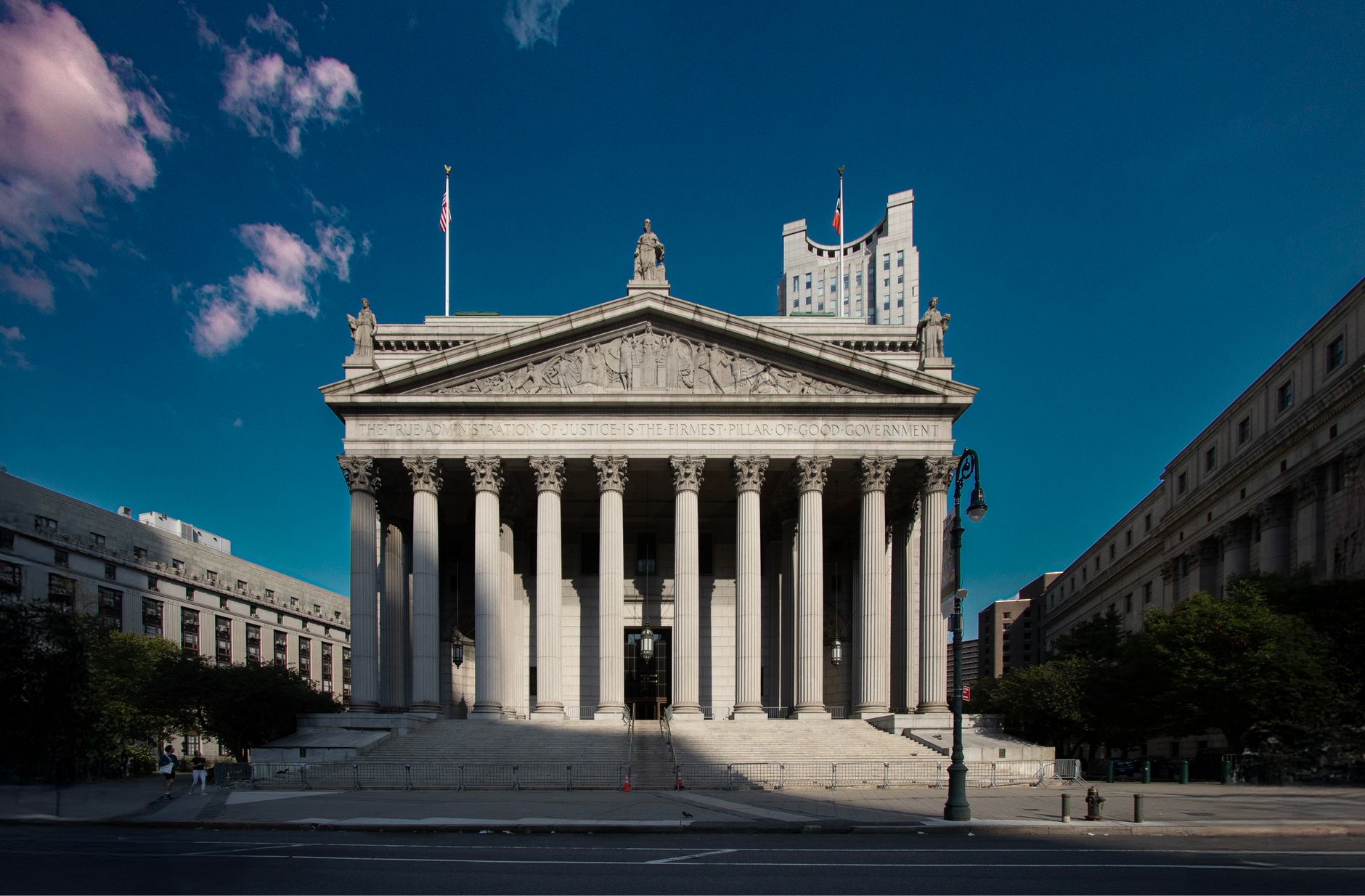
The latest move keeps a yearslong civil case alive at the nation’s highest court. But getting the justices to revisit a jury verdict is a harder task than simply alleging error.
Donald Trump is again trying to get the Supreme Court to step into his legal battle with E. Jean Carroll, asking the justices to wipe out a civil damages award tied to her sexual abuse and defamation claims.
The move matters less because it guarantees a Supreme Court showdown than because it tests how far the justices are willing to go in revisiting a jury verdict that lower courts have already allowed to stand.
A familiar fight reaches justices
Bloomberg reported that Trump has renewed his request for the U.S. Supreme Court to toss out a Carroll award, adding another turn to litigation that has followed him through campaign cycles, appeals and overlapping civil judgments.
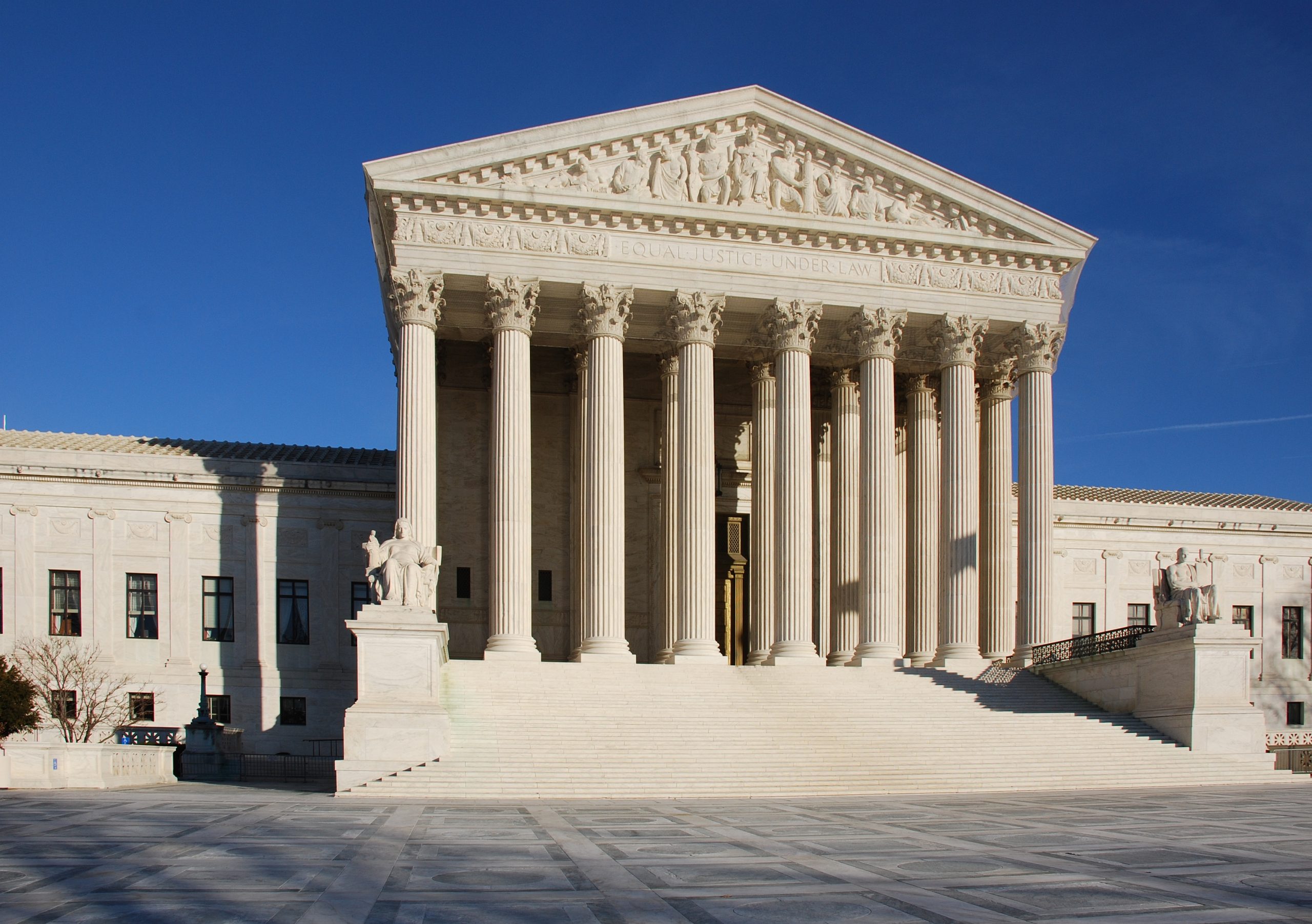
The Supreme Court is not required to take the case. Most petitions are denied without explanation, and the justices typically focus on disputes involving major federal questions, conflicts among lower courts or issues of broad national importance.
That makes the posture important. Trump is not asking a new jury to reconsider Carroll’s claims. He is asking the nation’s highest court to disturb what happened in a completed civil trial, after appellate review.
For readers following the politics, the headline is Trump versus Carroll. For the Court, the question is narrower: whether there is a legal reason to reopen a case that has already produced a verdict and survived review in the lower courts.
The verdict Trump wants undone
Carroll, a writer and former advice columnist for Elle, filed a civil lawsuit in 2022. She alleged that Trump sexually abused her in a Manhattan department store dressing room in the 1990s and later defamed her when he denied her account and attacked her credibility.
Trump has denied Carroll’s allegations. In filings described by SCOTUSblog, his lawyers called the lawsuit implausible and politically motivated, and argued that Carroll waited decades before bringing claims against him.
A federal jury in May 2023 found Trump liable for sexually abusing and defaming Carroll and awarded her $5 million. The verdict was civil, not criminal, meaning the jury assessed liability and damages rather than guilt beyond a reasonable doubt.
The 2nd U.S. Circuit Court of Appeals upheld the verdict in December 2024. The full appeals court later declined to reconsider the case, leaving Trump’s Supreme Court petition as the next available route.
The evidence fight at the center
The core legal fight has focused heavily on evidence the trial judge allowed Carroll’s lawyers to present to the jury.
According to SCOTUSblog’s summary of the earlier petition, Trump’s lawyers challenged three categories of evidence: testimony from two other women who accused Trump of assaulting them, and the 2005 “Access Hollywood” recording that became public shortly before the 2016 election.
Trump’s side argued that this evidence should not have been admitted and that it unfairly influenced the jury. That is the kind of appellate argument that asks a reviewing court to look not only at what the jury heard, but whether the trial judge crossed a legal line in allowing it.
Evidence disputes can matter enormously at trial. But on appeal, they often run into a second question: even if a judge made a mistake, was the mistake serious enough to change the outcome?
Carroll’s narrower counterargument
Carroll’s legal team has urged the Supreme Court not to take the case. Her argument, as summarized by SCOTUSblog, is not simply that the trial judge got everything right.
Instead, Carroll’s lawyers have pointed to the appeals court’s conclusion that even if the disputed evidence had been admitted in error, the verdict would still stand when considering the record as a whole.
That is known as harmless-error reasoning. It can be decisive because the Supreme Court generally does not exist to correct every alleged trial mistake. If a ruling would not change the judgment, the justices may see little practical reason to intervene.
Carroll’s side has also argued that the lower-court judgment does not depend on the disputed evidence in the way Trump claims. That frames the case as a poor vehicle for Supreme Court review, even if some justices might be interested in the broader evidentiary questions.
Why review is a steep climb
A Supreme Court petition is not an appeal as of right. Four justices must vote to grant review, and the Court rejects the overwhelming majority of petitions it receives.
That is especially relevant in a case built around trial-specific evidence rulings. The justices are more likely to take a case when lower courts are split over a rule or when the issue will affect many future disputes.
Trump’s public profile does not automatically make the case a Supreme Court case. Nor does the political charge surrounding Carroll’s allegations. The justices can decline review without endorsing either side’s broader narrative.
There is also a timing and optics issue. Any action in a case involving a sitting president and a private civil judgment will attract attention. But the Court’s threshold decision remains procedural: take the petition, deny it, or hold it for further consideration.
What remains unresolved
The latest request keeps the Carroll litigation alive, but it does not erase the existing lower-court rulings. Unless the Supreme Court grants review and ultimately rules for Trump, the damages award remains in place.
It is also worth separating the different Carroll judgments. Trump has faced more than one civil verdict involving Carroll, including a separate defamation award. The Supreme Court fight described by SCOTUSblog centered on the 2023 verdict in which a jury awarded Carroll $5 million.
If the justices deny review, they may do so in a short order with no explanation. That would leave the lower-court judgment intact without creating a new Supreme Court precedent.
If they grant review, the case would move into full briefing and argument, putting the evidentiary questions — and the limits of appellate review after a jury verdict — squarely before the Court.
The stakes beyond the headline
For Trump, the petition is another attempt to undo a damaging civil judgment and challenge evidence he says should never have reached the jury. For Carroll, the fight is about preserving a verdict she has already defended through the appeals process.
For the Supreme Court, the case poses a familiar institutional choice in an unusually high-profile package: whether a contentious, politically loaded dispute also presents the kind of legal issue the justices believe they need to settle.
That is why the next order from the Court may be brief but consequential. A denial would likely close this route for Trump. A grant would turn a long-running civil fight into a national Supreme Court case.







Leave a Reply