

The decision does not end the fight over pandemic tax relief. It does make the type of penalty at issue far more important for taxpayers seeking refunds or abatements.
A court ruling limits COVID-related tax refund claims, but some Americans may still need to act to protect potential refund claims filed around the July 10, 2026, deadline. The federal Tax Court ruling last week in Bowen v. Commissioner turns on which pandemic-era penalties qualify for tax relief under Internal Revenue Code Section 7508A, narrowing the path for taxpayers seeking a COVID tax refund or abatement.
The key point is not that every pandemic-era claim is dead. It is that the court drew a sharper line between deadline-related penalties and accuracy-related penalties, and that line could affect how the IRS, taxpayers and appellate courts handle claims in the years ahead.
The ruling narrowed the lane
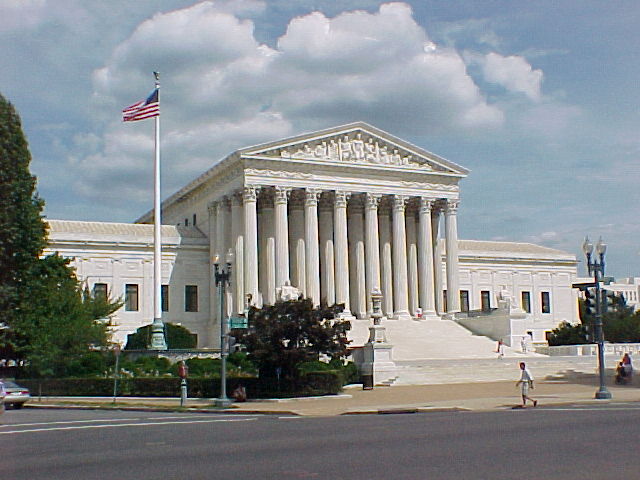
In Bowen v. Commissioner, a federal Tax Court judge ruled that Section 7508A relief during the COVID-19 pandemic applies to deadline-related penalties, not accuracy-related penalties, according to reporting by USA TODAY and analysis cited from tax lawyers.
That distinction matters because many pandemic refund and abatement claims rely on the idea that the federal COVID emergency paused deadlines, penalties or interest. If a claim is based on a late filing, late payment or another missed deadline, it may sit in a different legal category than a claim tied to an accuracy penalty.
Section 7508A gives the IRS authority to postpone certain tax deadlines during disasters or terroristic or military actions. During COVID, that authority became central to a larger dispute: how broad was the federal pause, and what exactly did it pause?
The latest Tax Court ruling did not resolve every pandemic tax question. It narrowed one important piece of the debate by saying, in effect, that not every penalty connected to the pandemic years gets the same protection.
Why July 10 mattered
The July 10, 2026, date became important because many taxpayers and advisers treated it as a protective deadline for filing COVID-related refund claims. The concern was simple: if courts later confirm that the pandemic emergency suspended refund claim periods, taxpayers who failed to file may have a harder time recovering money.
That is why the new ruling lands awkwardly. Some taxpayers may have filed claims by July 10 hoping to preserve rights under a broader reading of Section 7508A. Now, the Tax Court has signaled that at least some of those claims may be too broad if they seek relief for accuracy-related penalties rather than deadline-related penalties.
For taxpayers, that means the paperwork itself matters. A claim that identifies the wrong penalty, overstates the legal basis or assumes all pandemic-era charges are covered may face a tougher review.
It also means a denial from the IRS may not be the last word. Tax lawyers quoted in the reporting have cautioned that appellate courts, not one trial-level tax decision, are likely to determine the final scope of pandemic relief.
Deadline penalties versus accuracy penalties
The most practical distinction is between penalties caused by timing and penalties caused by the content of a return.
- Deadline-related penalties generally involve filing late, paying late or missing a tax deadline that may have been postponed during a disaster period.
- Accuracy-related penalties generally involve understatements, negligence or other issues tied to whether a tax return was correct.
The Bowen ruling is significant because it treated those categories differently. Under that interpretation, Section 7508A may help taxpayers who were penalized because a deadline should have been suspended, while doing less for taxpayers penalized because the IRS says a return was inaccurate.
That does not make the distinction easy in every case. Some taxpayers may have multiple penalties, interest charges or years involved. Businesses, estates, trusts and individuals can also face different procedural paths depending on the tax at issue.
National Taxpayer Advocate Erin Collins has previously said the issue can reach income, employment, estate, gift and excise taxes, as well as international information returns that can carry large penalties even when no tax is due. That breadth is one reason the litigation is being watched closely.
Kwong opened the bigger fight
The narrower Bowen ruling follows a broader decision in Kwong v. United States, a Court of Federal Claims case that helped fuel expectations for pandemic-era refunds. In that case, the court rejected the government’s attempt to limit the period for Section 7508A relief during COVID, according to the USA TODAY report.
The Kwong decision suggested that certain deadlines, penalties and interest could have been suspended for a much longer stretch of the pandemic emergency than the IRS had allowed. That raised the possibility that many taxpayers had paid penalties or interest that might later be refundable.
The government is appealing that ruling. That appeal is a major reason taxpayers are being told not to treat the current picture as settled.
Taken together, the cases point in different directions. Kwong expanded the possible timeline for relief. Bowen narrowed the types of penalties that may qualify. The unresolved question is how appellate courts will combine, limit or reject those views.
What taxpayers should do now
For taxpayers who already filed a protective refund or abatement claim, the immediate step is usually not panic. It is documentation. Keep copies of claims, IRS notices, proof of filing, penalty assessments, account transcripts and correspondence with the agency.
Taxpayers should also identify exactly what they are asking the IRS to refund or abate. A claim tied to failure-to-file or failure-to-pay penalties may be evaluated differently from one tied to an accuracy-related penalty. Interest linked to those penalties may raise another layer of questions.
Anyone who received a denial should pay attention to response deadlines. Refund disputes often involve strict procedural rules, including time limits for administrative appeals or court action. Missing a new deadline while arguing that an old deadline was suspended would be a costly mistake.
For larger or more complicated claims, a tax professional may be necessary. The issue is now less about a simple pandemic refund opportunity and more about matching a taxpayer’s facts to a moving body of court rulings.
The final answer may take years
Matthew Lee, a partner at Fox Rothschild, wrote that appellate courts will have the final say and that final answers may take several years, according to the reporting. That timeline is frustrating for taxpayers, but it is typical for tax cases with broad national implications.
The IRS also has choices to make while appeals continue. It can process claims under its current interpretation, hold certain claims, deny them and wait for litigation, or issue guidance if the legal landscape changes. Taxpayers may see inconsistent timing depending on the type of claim and where it is in the system.
The legal stakes are larger than one refund check. The courts are defining how emergency tax relief works when a national disaster lasts years rather than weeks. That could shape how future disasters affect filing deadlines, penalties, interest and refund windows.
The clean takeaway: Bowen makes COVID tax refund claims harder for some taxpayers, especially where accuracy-related penalties are involved. It does not erase all claims, and it does not end the fight. For now, the safest position for affected taxpayers is to preserve records, watch deadlines and avoid assuming either victory or defeat before the appeals are done.











Leave a Reply