
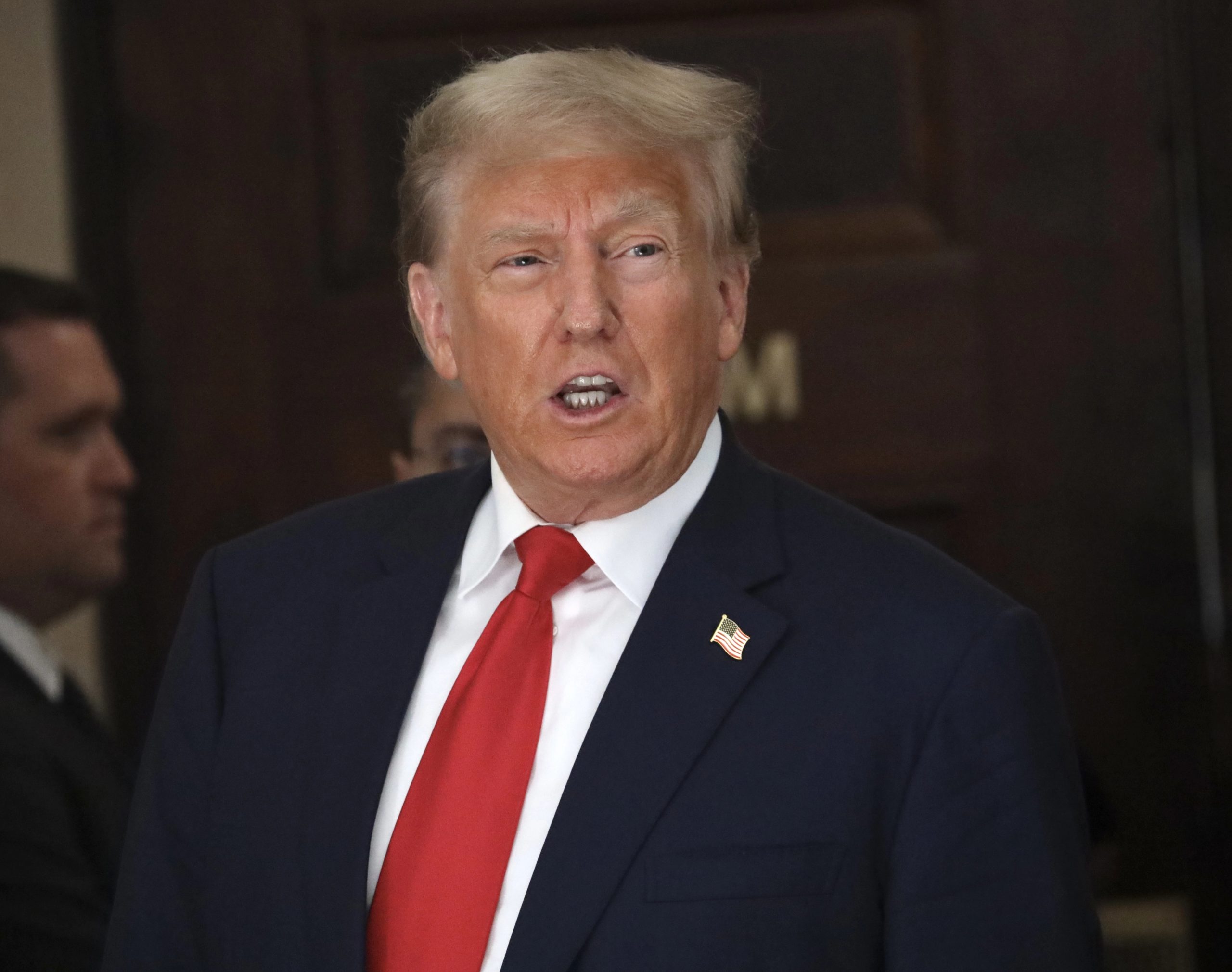
The line landed because it was not just about one photograph or one insult. It tapped into Trump’s long, uneasy relationship with journalists, image-makers and legal pressure.
An award-winning photographer criticized Donald Trump in a pointed, public-facing jab that The Mirror US framed as a savage dig to Trump’s face over insults and subpoenas. The criticism involved insults and subpoenas because it tied Trump’s combative language to the legal demands that have shadowed Trump-era politics and the journalists, witnesses and image-makers around it.
The MSN-distributed story is spreading as a media moment, but the reason it has traction is bigger than a one-line putdown. Trump’s encounters with the press have often turned on control: who gets access, who gets blamed, who gets threatened, and who gets to preserve the record.
Why this jab landed
The phrase works because it compresses two familiar Trump storylines into one sharp image. The first is rhetorical: Trump’s use of personal attacks as a political weapon. The second is legal: the subpoenas, testimony fights and document battles that have surrounded Trump-era investigations and the people connected to them.
For critics of Trump, the photographer’s jab reads like a concise verdict on a political style built around pressure and spectacle. For supporters, it may look like another cultural-world swipe at a politician they believe has been treated unfairly by elite media.
That split is exactly why the story travels. It is not only about whether the remark was clever or rude. It is about whether public figures should expect artists and journalists to respond in kind when power is used aggressively.
Trump’s photo clashes are not new
Trump has had tense moments with photographers before. In 2019, the BBC reported on a Time interview in which Trump rebuked a photographer after an aide said a photo could not be taken of a letter from North Korean leader Kim Jong Un.
According to the BBC’s account of Time’s transcript, Trump warned the journalist about using the image and raised the possibility of prison. The exchange became a small but revealing example of how quickly a routine press encounter could become a confrontation over control.
That same interview also included questions about the Mueller investigation and aides who had testified under oath. The proximity of photographs, legal exposure and presidential irritation helped create the kind of atmosphere that makes the new “insults and subpoenas” framing feel instantly recognizable.
Photography can look passive from the outside, but in politics it is power. A photo fixes a leader in a moment they cannot edit afterward. That is why access, angles and records matter so much in rooms where every gesture can become evidence or propaganda.
Subpoenas raise press-freedom alarms
The subpoena reference carries a different charge. It is not just a punchline. Subpoenas can force disclosure of records, contacts or metadata, and that can create serious concerns for journalists who rely on access to sources.
Politico reported in 2021 that freelance photographer Amy Harris sued the House Jan. 6 committee over a subpoena seeking phone metadata. Harris argued in court filings that the subpoena violated First Amendment protections for journalists because the records could reveal confidential and nonconfidential sources.
That case was not the same as Trump personally subpoenaing a photographer. The distinction matters. But it shows why the word “subpoena” hits differently in a media context: for photojournalists, legal demands can threaten more than convenience; they can expose reporting relationships.
The National Press Photographers Association, according to Politico, asked the committee to withdraw the subpoena for Harris’ records. That response reflected a broader concern in journalism circles: investigations can be legitimate and still create collateral risk for newsgathering.
The insult question cuts both ways
Trump’s defenders often argue that his insults are part of his appeal. They see them as blunt, unscripted and aimed at institutions that already hold enormous power. In that view, media figures who mock Trump are not brave truth-tellers; they are participants in the same combat.
Trump’s critics see it differently. To them, his insults are not merely colorful language. They can function as a warning system, signaling to supporters who should be distrusted, shamed or targeted next.
That is why an artist’s or photographer’s dig can feel politically loaded even when it is brief. The question is not only whether Trump can take criticism. It is whether the people who document power should answer intimidation with politeness, detachment or open contempt.
The strongest version of the photographer’s point is not that insults and subpoenas are identical. They are not. It is that public humiliation and formal legal pressure can both shape who feels safe speaking, reporting, photographing or preserving the record.
What the headline does not prove
There is also a caution here. The MSN reference card available for the viral item confirms the broad frame: an award-winning photographer, Donald Trump, a sharp criticism, and the phrase “insults and subpoenas.” It does not provide enough full-text detail on its own to verify every setting, exact wording or surrounding exchange.
That means the safest reading is the narrow one: a photographer criticized Trump in a way that invoked insults and subpoenas, and the remark resonated because it echoes documented tensions between Trump and the press.
It should not be treated as proof of a new subpoena, a new court ruling or a newly documented threat unless additional reporting establishes those facts. In Trump-related stories, the frame can outrun the record quickly.
Still, the broader pattern is well documented. News organizations have reported previous confrontations over photographs, testimony and access. The new jab landed because it plugged into that existing memory.
The bigger takeaway
The lasting question is not whether the line was savage enough. It is why a photographer’s criticism can so quickly become a stand-in for an entire political era.
Trump understands images. His public career has depended on them: the staged entrance, the branded backdrop, the glare toward a camera, the instantly shareable confrontation. Photographers understand images too, but from the other side of the lens.
That makes the clash unusually personal. A politician wants to control how history sees him. A photographer’s job is to make a record that may not flatter him.
The “insults and subpoenas” phrase endures because it names a pressure point. In Trump’s orbit, the fight over media is rarely just about coverage. It is about power, memory and who gets the final frame.

Leave a Reply