
A question about basketball’s greatest player quickly turned into a political broadside. The moment shows how one reported NBA move became fuel for an old Trump-LeBron fight.
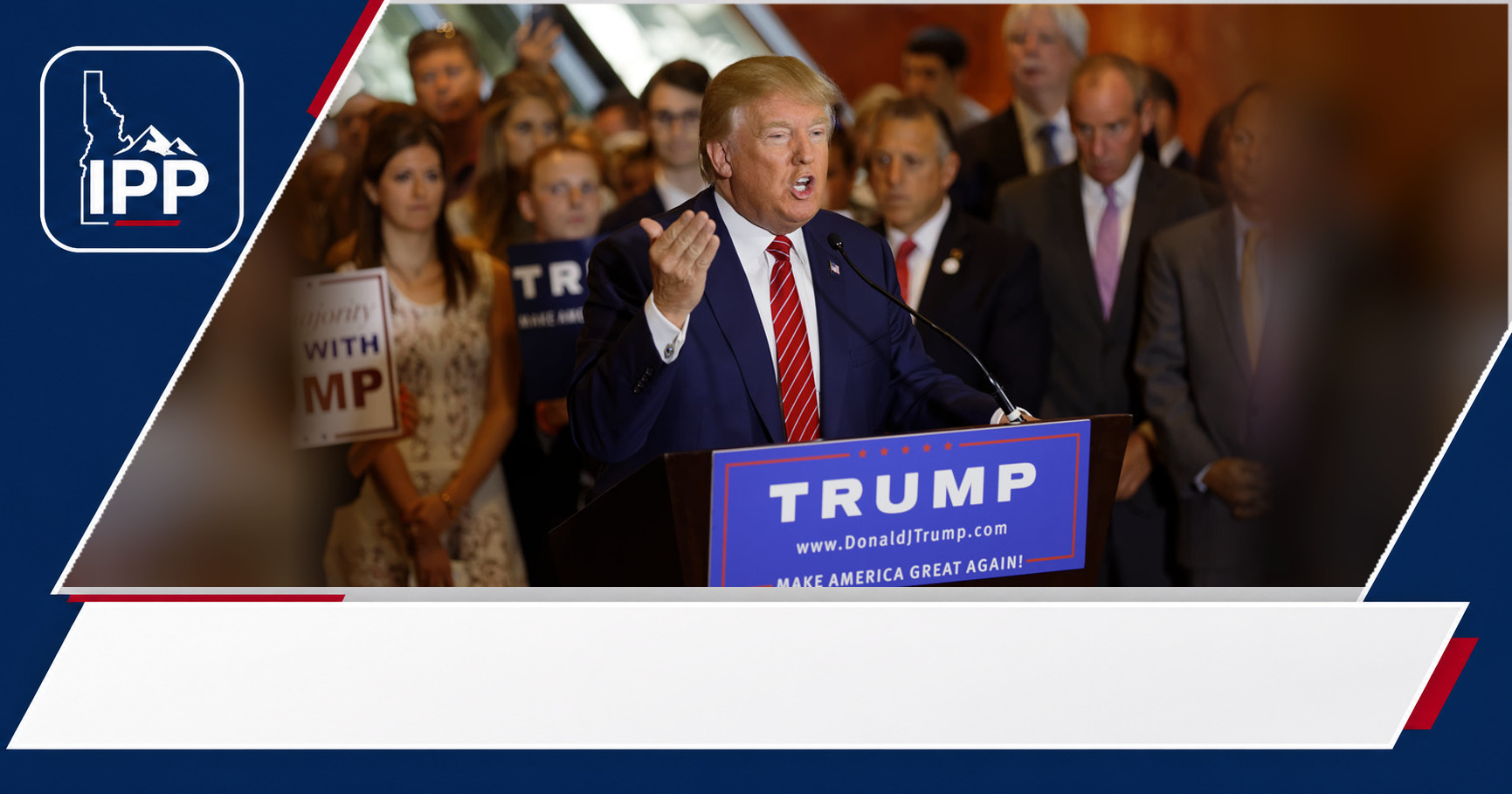
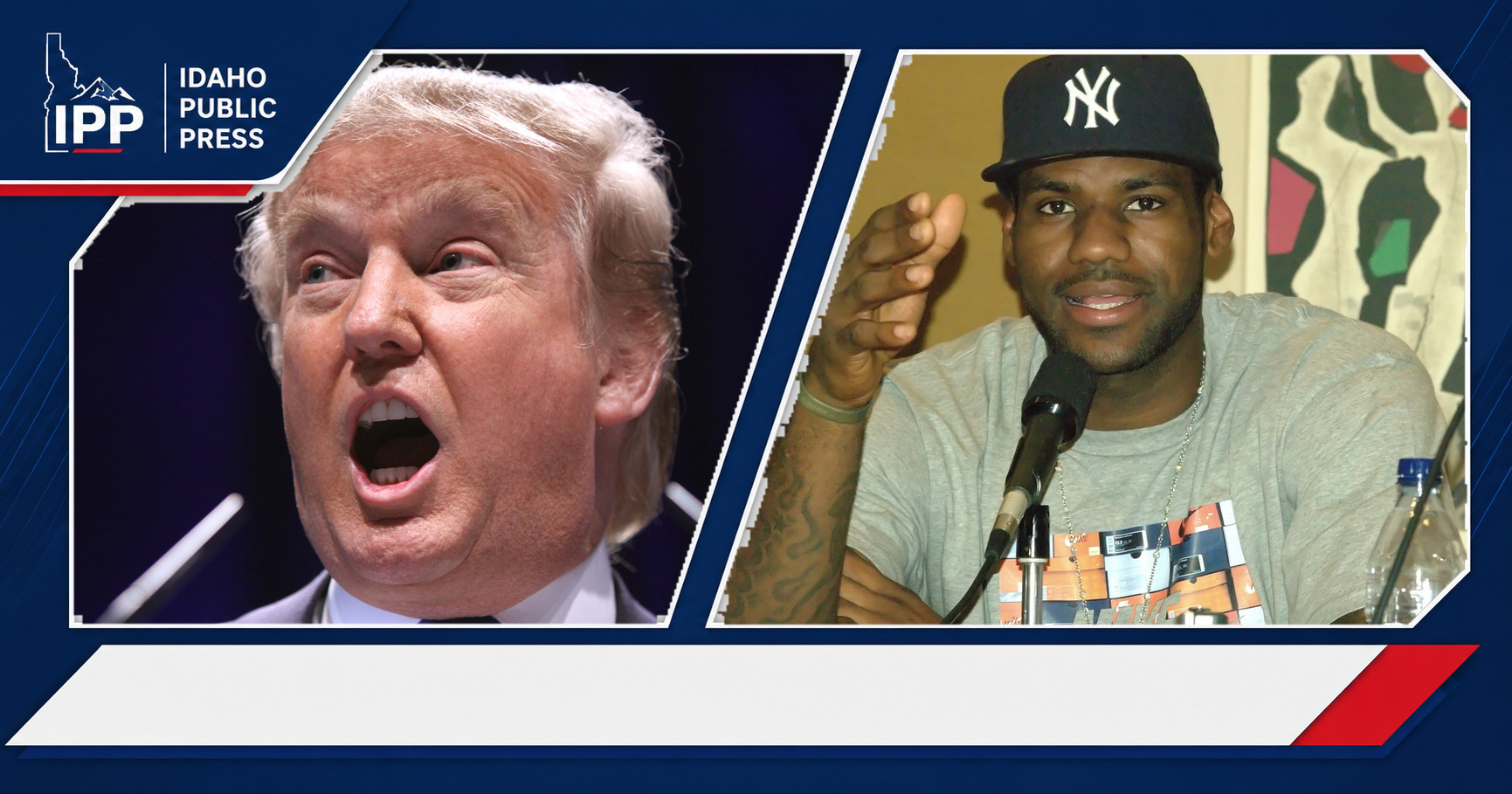
Donald Trump suggested that LeBron James may be a racist on Friday, turning a question about LeBron James’s reported signing with the Philadelphia 76ers into another Trump-vs.-LeBron flashpoint. The exchange, reported by Reuters and The Washington Post, came after Fox News’s Peter Doocy asked whether James was the greatest NBA player ever; in the clip driving the “President Trump speculates” framing, Trump speculates LeBron is “maybe” racist while saying he preferred Michael Jordan.
The remark matters now because James’s reported move to Philadelphia would already be one of the NBA offseason’s loudest stories. Trump’s comment pulled that sports story into a familiar political lane, where celebrity, race, loyalty and grievance all travel together.
The remark that reignited it
According to Reuters, Trump praised Michael Jordan while explaining why he would not place James above him. “I play golf with him. He’s a really good guy,” Trump said of Jordan, before turning to James: “I think LeBron is — maybe he’s a racist, but maybe he doesn’t like Trump.”
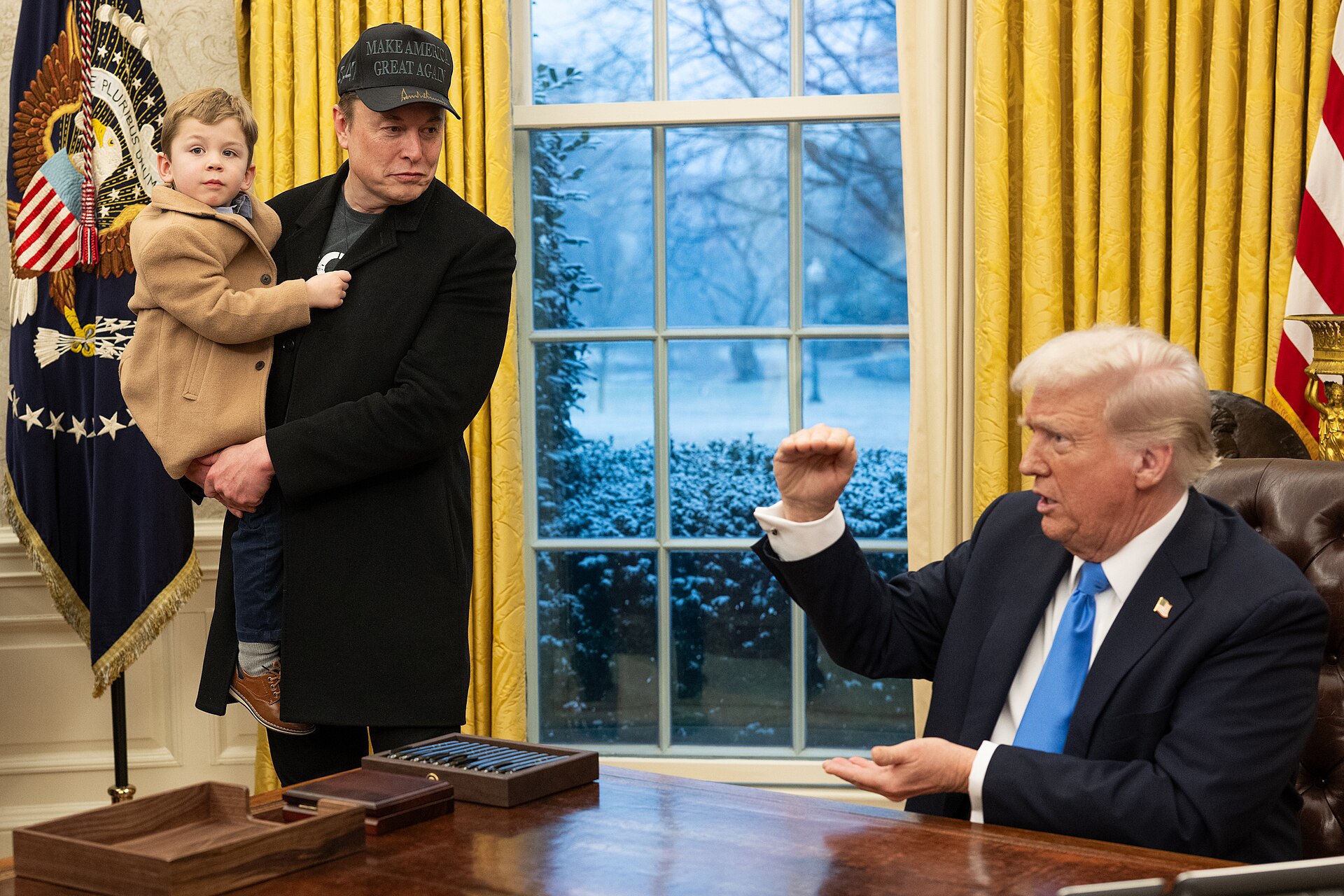
The Washington Post reported that the exchange took place in the Oval Office after Doocy asked Trump whether James was the greatest basketball player of all time. Trump’s answer did not stay inside the usual sports-radio argument about championships, eras, teammates or scoring records.
Instead, he linked his view of James to personal dislike and race, without presenting evidence for the “racist” suggestion. That distinction matters: Trump was speculating about James’s motives, not citing a documented finding.
For readers who only saw the quote, the timing is key. The comment landed the same day James was reported to be joining the Philadelphia 76ers, which made a sports transaction part of a broader culture-war news cycle within hours.
The 76ers move raised the temperature
Fox Sports reported that James had signed with the Philadelphia 76ers on a two-year, $8 million deal. If finalized as reported, the move would mark a stunning late-career turn for one of the most scrutinized athletes in American sports.
That is why the political comment traveled so quickly. James is not just another veteran changing teams. He is a four-time NBA champion, a global celebrity and a player whose decisions can shift television attention, ticket demand and championship expectations before he plays a minute.
Philadelphia also brings its own pressure. The 76ers fan base is famously intense, and any LeBron arrival would immediately become a referendum on whether the franchise is chasing a final title window or taking a high-profile gamble.
Trump’s remarks did not explain the basketball logic of the move. They changed the subject from what James could do for the 76ers to what Trump thinks James thinks of him.
A feud bigger than basketball
The tension between Trump and James did not begin with the reported 76ers signing. The Washington Post noted that Trump has long said he is “not a fan” of James, while The New York Times characterized the latest comment as part of a pattern of disparaging remarks by Trump about Black athletes who have criticized him.
That history is why the “maybe he’s a racist” line hit differently than a normal GOAT debate jab. A president weighing in on sports is not unusual. A president suggesting, without substantiation, that a prominent Black athlete may be racist is a much more charged act.
Trump’s supporters may see the exchange as vintage Trump: blunt, personal, unscripted and dismissive of a celebrity critic. Critics will see it as another example of Trump using racial accusation as a political weapon, especially against athletes and entertainers who do not support him.
Both readings help explain the attention. The quote is short enough to clip, inflammatory enough to argue over, and attached to a sports figure with an audience far beyond basketball fans.
Jordan became the safer contrast
Trump’s preference for Michael Jordan gave the exchange a second layer. The Jordan-versus-LeBron argument is one of the most reliable debates in modern sports, and it usually lets fans argue endlessly without resolving anything.
But Trump’s answer was not only about rings, clutch shots or nostalgia. He said he liked Jordan, mentioned golfing with him and described him as “a really good guy.” The praise for Jordan worked as a contrast to James, whom Trump framed through personal and political dislike.
That contrast matters because Jordan has often been cast as less overtly political than James in public imagination, even if that comparison can be oversimplified. James has made political speech part of his public identity; Trump has repeatedly treated that visibility as a target.
The result is a familiar Trump move: take a broad cultural argument, personalize it, then turn it into a loyalty test. In this case, a question about the best player ever became a question about who likes Trump.
What is still unclear
The available reports reviewed did not include a detailed response from James or the Philadelphia 76ers to Trump’s remark. That leaves open whether James will answer directly, ignore it or let the basketball story take precedence.
It is also unclear how much the comment will matter beyond the news cycle. James has spent years operating under political and media pressure. Trump, meanwhile, has repeatedly shown that high-profile feuds can be useful for keeping his preferred themes in circulation.
For the 76ers, the practical questions are basketball questions: what role James would play, how much he has left physically, and whether a short-term deal changes the team’s path. Trump’s comment does not answer any of that.
But it does show how little separation remains between sports celebrity and national politics. A reported signing can become a presidential sound bite. A GOAT question can become a race controversy. And LeBron James, even in a new uniform, remains one of the few athletes whose every move can pull the White House into the conversation.
The takeaway for readers
Trump’s Friday remark should be understood in three parts: a direct insult aimed at James, a reaction tied to James’s reported 76ers signing, and another chapter in a feud that has lasted far longer than a single NBA news cycle.
The strongest confirmed point is what Trump said, as reported by Reuters and other outlets: he suggested James was “maybe” racist while saying he preferred Jordan. The rest is the argument now forming around it — whether the comment was political theater, personal resentment, racial provocation or all three at once.



Leave a Reply