

The vote does not automatically end U.S. military involvement, but it sharpens a constitutional fight over Congress, the presidency and the Iran conflict. A separate Senate test and funding battles could determine whether the rebuke becomes more than symbolic.
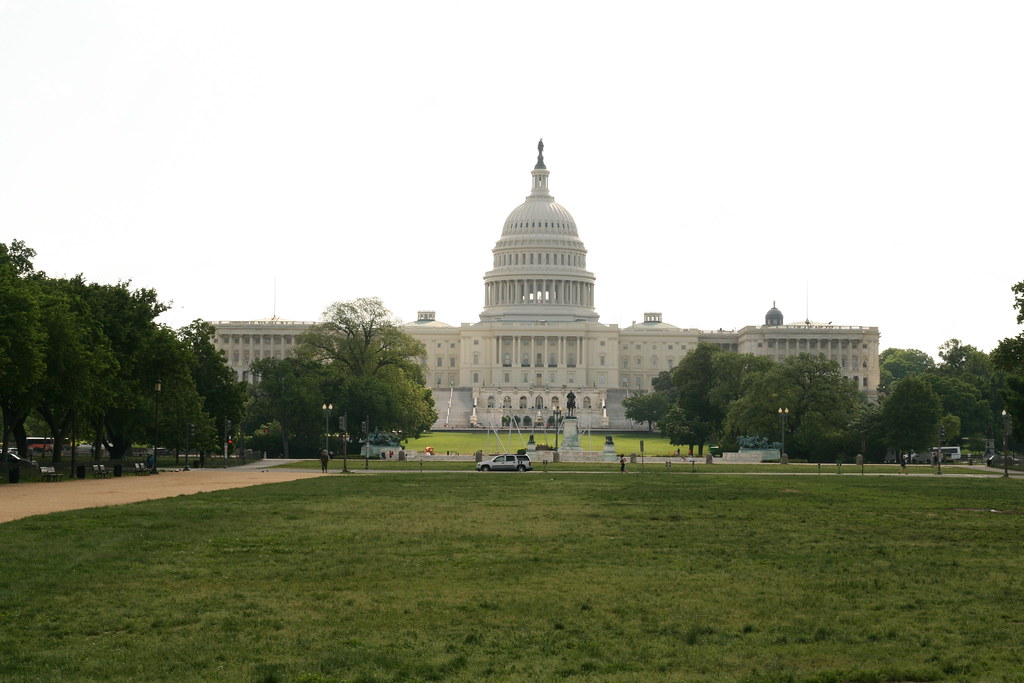
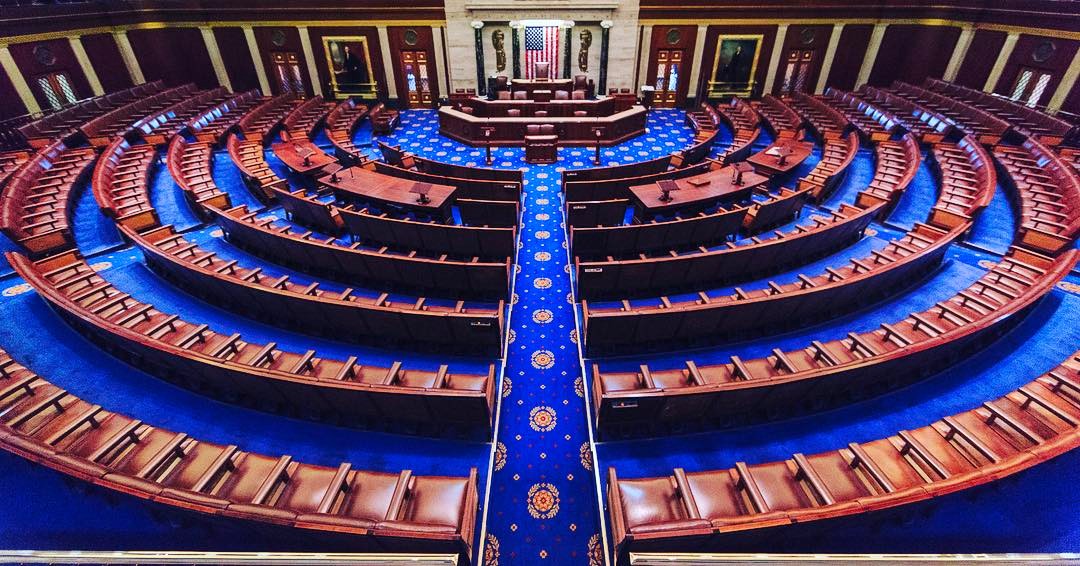
The House of Representatives voted 214 to 208 on July 23, 2026, to halt U.S. military action against Iran through a war powers resolution introduced by Democratic Rep. Pramila Jayapal of Washington. Put plainly: The House voted to halt U.S. military action against Iran. Four Republicans joined Democrats in supporting the measure. This was a rebuke of President Trump.
The vote matters now because it puts Congress’s war powers fight back at the center of the Iran conflict. The resolution would direct Trump to remove U.S. forces from hostilities against Iran unless Congress gives explicit authorization, but the next steps are politically and legally uncertain.
Four GOP votes broke through
The four Republicans who crossed party lines were Reps. Tom Barrett of Michigan, Brian Fitzpatrick of Pennsylvania, Warren Davidson of Ohio and Thomas Massie of Kentucky, according to CBS News. Their votes gave Democrats enough support to pass the measure in the House, even as most Republicans remained aligned with Trump.
That small group is the political story inside the vote. A four-member Republican breakaway does not amount to a revolt across the party, but it shows that concerns over the Iran conflict are not limited to Democrats.
Reuters described the vote as another symbolic rebuke of Trump. CNN reported that the measure was brought by Jayapal and passed 214 to 208, underscoring how narrow the margin was.
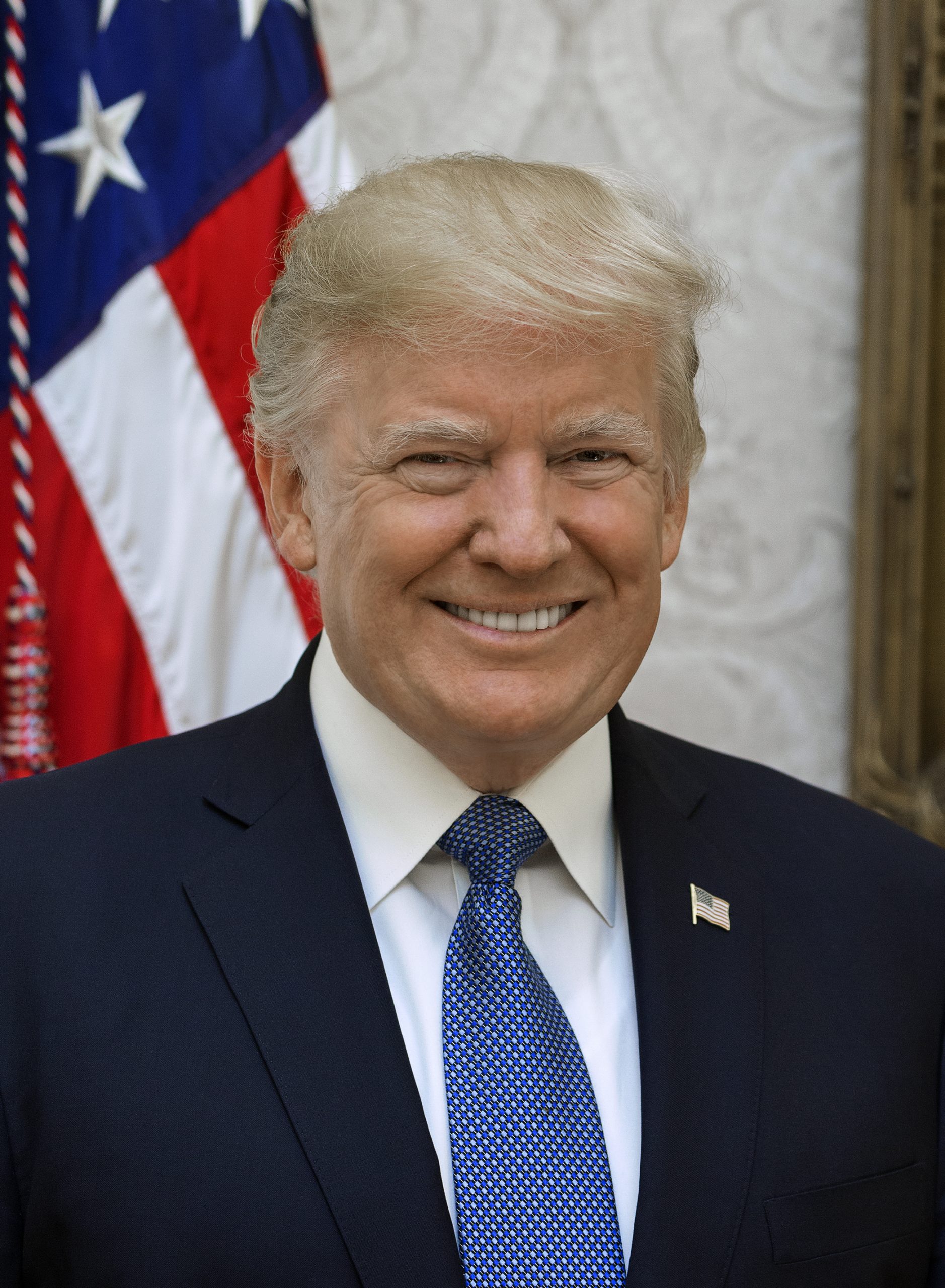
For Trump, the immediate damage is not that the House vote automatically ends military operations. It is that members of his own party helped Democrats put a formal congressional objection on the record.
What the resolution would do
The measure is a war powers resolution, not a traditional policy statement. CBS News reported that it would direct the president to remove U.S. Armed Forces from hostilities against the Islamic Republic of Iran, including potential ground forces in a combat role or occupation capacity, unless Congress expressly authorizes the action.
That language goes to the core constitutional dispute: presidents command the military, but Congress has the power to declare war and fund military operations. War powers resolutions are designed to force that tension into a vote.
Jayapal and Democratic Rep. Jason Crow of Colorado pressed colleagues to assert Congress’s Article I powers, CBS News reported. Their argument is that lawmakers should not allow an open-ended conflict to continue without a direct authorization vote.
Supporters frame the resolution as a necessary guardrail after renewed hostilities. Opponents are likely to argue that it restricts the commander in chief during a dangerous confrontation and could signal weakness to Tehran.
The War Powers clock is disputed
The War Powers Resolution of 1973 generally requires a president to notify Congress within 48 hours after U.S. forces are introduced into hostilities. It also sets a 60-day limit for unauthorized hostilities, with an additional 30-day period for withdrawal under certain circumstances.
The current fight is partly about when that clock started, stopped or restarted. CBS News reported that Trump notified Congress on July 10 that military action against Iran had formally restarted after he declared a monthlong ceasefire over.
The administration’s position, according to CBS News, is that hostilities had terminated after an earlier ceasefire, even though attacks continued on both sides, and that the statutory clock restarted. The administration has also argued that the relevant provision of the law is unconstitutional.
That is why the House vote is about more than Iran. It is another chapter in a decades-long struggle over whether Congress can meaningfully check presidential war-making once U.S. forces are already engaged.
A rebuke with limits
The vote is politically sharp, but its practical effect is limited unless it is matched by Senate action, executive compliance or funding restrictions. The Senate was set to vote later Thursday on advancing a similar but separate measure, CBS News reported.
Even if Congress passes restrictions, enforcing them can be difficult. Administrations from both parties have often read presidential war powers broadly, especially when they argue that troops, allies or U.S. interests face immediate danger.
Democrats, according to CBS News, have said they are considering legal options to force Trump to comply. They also plan to use the appropriations process to deny additional money for the conflict.
That funding track may be where the debate becomes more concrete. A war powers vote can state Congress’s position. A funding fight can affect what the military is able to sustain.
Funding is the next pressure point
The administration has requested $67 billion in supplemental funding tied to the conflict and replenishing military supplies, CBS News reported. It is also seeking $1.5 trillion for the Pentagon in the next fiscal year.
House Republicans, meanwhile, advanced a plan that would provide up to $73 billion for the Iran war and up to $12 billion in aid to farmers to offset economic damage from the conflict, according to CBS News. That proposal faces obstacles in the Senate.
Those numbers explain why the war powers vote is not an isolated Washington gesture. The Iran conflict is moving into the budget, the farm economy, military readiness and the politics of the midterms.
Trump has dismissed Republican concerns about the potential political fallout, CBS News reported. Most Republicans continue to back the war, but the four GOP votes on the resolution show that party unity has limits.
Why this vote still matters
The House action does not settle the Iran war powers fight. It does not guarantee withdrawal, does not erase the administration’s legal arguments and does not prove that a broad anti-war coalition has formed inside the Republican Party.
It does, however, force a public count. Every member had to choose between backing Trump’s handling of Iran or supporting a congressional demand for authorization.
For Democrats, the vote offers a clear message: Congress should not be sidelined as the conflict escalates. For the four Republicans who joined them, it reflects either constitutional concern, skepticism of the war, political caution or some combination of all three.
The unresolved question is whether Congress can turn that message into leverage. The answer will likely come not from one vote, but from the Senate floor, the courts if litigation follows, and the spending bills that determine how long the conflict can be funded.





Leave a Reply