

The resolution may not stop the conflict on its own, but it signals rising congressional resistance to the U.S. campaign against Iran. The next test is whether the Senate and White House turn a symbolic rebuke into a constitutional showdown.
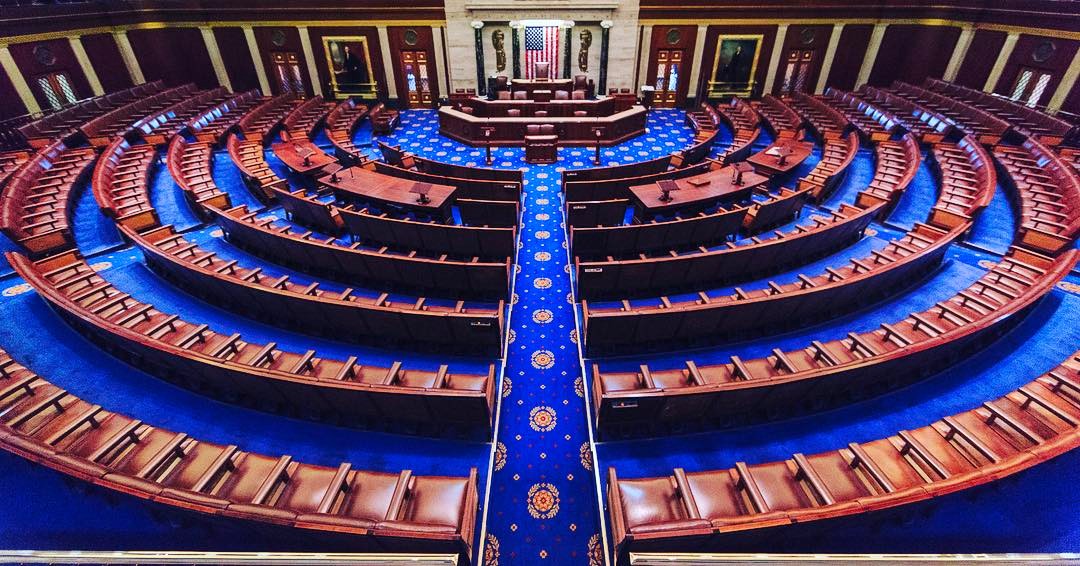
The U.S. House of Representatives passed a resolution in Washington on Wednesday, June 3, 2026, to restrict President Donald Trump’s war powers regarding Iran, a 215-208 vote that marked a rebuke of Trump and his handling of the conflict. The measure aimed to limit U.S. military action against Iran after months of fighting and growing unease in Congress.
The vote does not, by itself, guarantee an immediate end to the Iran campaign. Its force is political and potentially legal: lawmakers are testing whether Congress can reassert authority over military action before the fight moves to the Senate, the White House and possibly the courts.
A narrow but pointed rebuke
The House vote was close, but its meaning was hard to miss. According to the Associated Press, four Republicans joined Democrats to approve the war powers resolution, giving opponents of the conflict a 215-208 win.
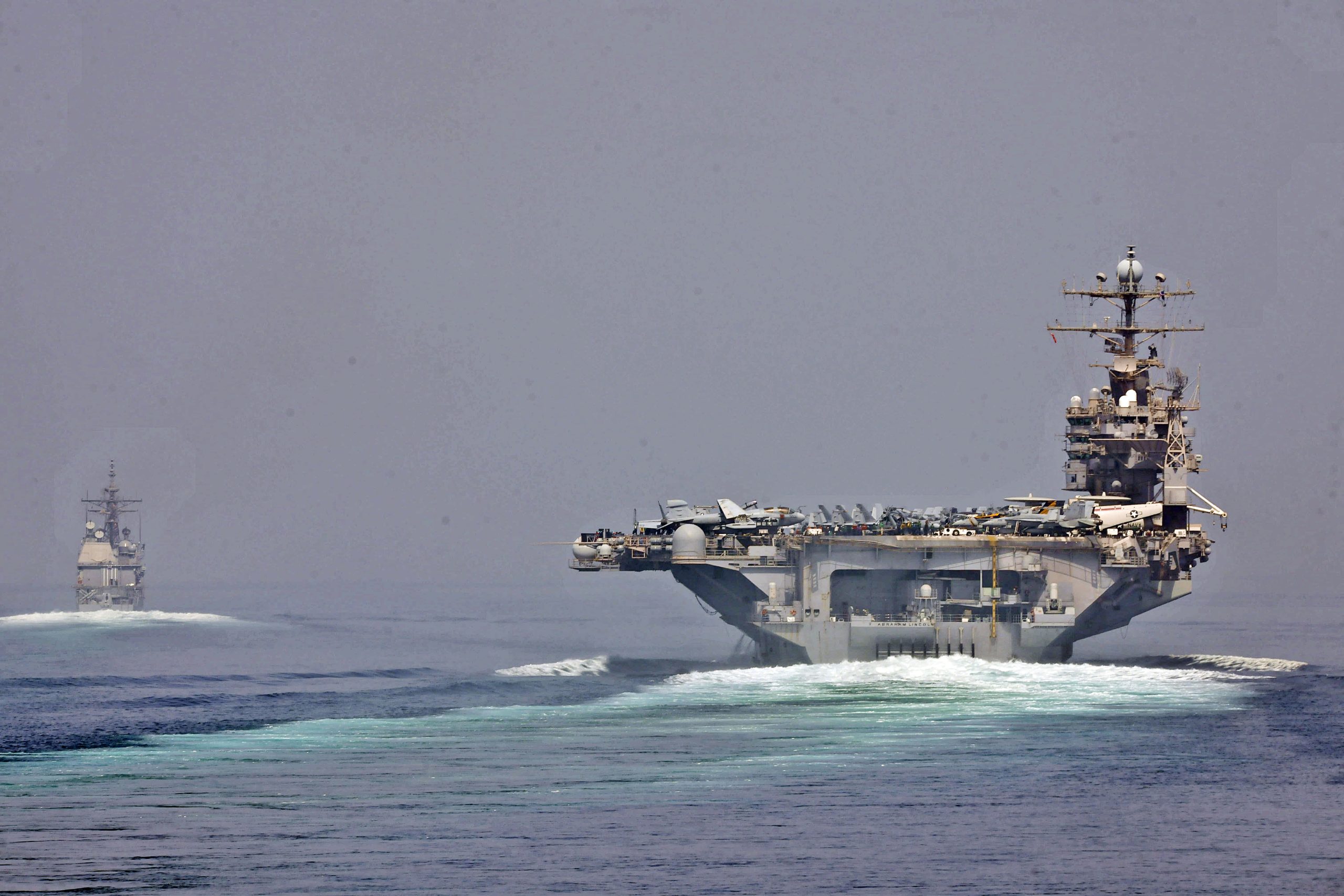
That margin matters because Trump’s party controls much of Washington’s governing machinery. Even a small number of Republican defections can signal that the White House’s room to maneuver is shrinking, especially on a war that has become harder to frame as limited or temporary.
CNN described the House action as a significant rebuke to Trump. AP reported that cheers broke out in the chamber after the vote, a sign that Democrats and anti-war Republicans saw the result as more than another messaging exercise.
The resolution is designed to halt or restrict further U.S. military action tied to Iran. But the actual effect depends on what the Senate does next, how the White House responds and whether any clash over the measure becomes a constitutional fight over who controls decisions of war and peace.
Why Iran split the House
The vote came after a conflict that AP described as three months long, following the United States joining Israel in launching strikes on Iran on Feb. 28. The fighting has since rippled through U.S. politics, foreign policy and household economics.
Democrats have argued that Trump took the country deeper into a dangerous regional conflict without sufficient congressional authorization. Rep. Gregory Meeks of New York, the top Democrat on the House Foreign Affairs Committee and a leader of the effort, said, “Enough is enough,” according to AP.
Meeks tied the war to domestic costs, saying Americans were “suffering at the gas pump” and at supermarkets. That argument is politically potent because it connects a foreign war to inflation pressure, fuel prices and the kind of kitchen-table concerns that can reshape midterm campaigns.
Republican leaders pushed back. House Speaker Mike Johnson, a Louisiana Republican, had tried to prevent a vote that would reveal rising opposition to the war, AP reported. Johnson has also said Trump is “laser focused” on domestic priorities while working with allies to reopen the Strait of Hormuz and restore commerce.
The Strait of Hormuz stakes
The Iran conflict is not just a Washington power struggle. One reason it has become politically combustible is the Strait of Hormuz, the narrow waterway critical to global flows of oil, natural gas and related products such as fertilizer.
AP reported that Iran has been able to interrupt shipping through the strait. That disruption has fed anxiety over energy markets and contributed to higher gas prices, adding another layer of pressure on the administration.
Johnson said the world has an interest in reopening the Strait of Hormuz for commerce and that Trump is working on that “final piece.” Supporters of the president’s approach argue that limiting his military authority now could weaken U.S. leverage at exactly the moment Washington is trying to extract concessions.
That is the administration’s central warning: a war powers restriction could make Tehran believe the president’s options are narrowing. Secretary of State Marco Rubio told a House Foreign Affairs Committee hearing that Iranians would think the administration’s “hands are going to be tied” if Congress approved the resolution, according to AP.
Congress tests its war powers
The constitutional issue is familiar but unresolved in practice. Congress has the authority to declare war, while the president has commander-in-chief powers to direct military action. In modern conflicts, presidents of both parties have often acted first and asked Congress later, if at all.
The War Powers Act was meant to limit that drift. Under the law, the White House has a 60-day window to seek congressional approval for military action. In this case, the administration has suggested that because a ceasefire was declared in April, hostilities have ceased, AP reported.
Critics say that argument does not match the reality on the ground if U.S.-Iran military strikes continue to flare. Supporters of the White House say presidents need flexibility in fast-moving conflicts, especially when U.S. forces and allies are at risk.
That divide is why the House vote is both symbolic and consequential. A resolution may not instantly stop a war, but it can sharpen the legal question: when does a military campaign become a conflict that Congress must explicitly approve?
The Senate is the next test
The House resolution now heads into a more uncertain phase. AP reported that the Senate advanced its own war powers resolution last month after a handful of Republican senators broke with Trump, but the chamber has not taken a final vote on its version.
If the Senate joins the House, the measure could land on Trump’s desk. The president would likely reject any attempt by Congress to limit what he sees as commander-in-chief authority, setting up either a veto fight, a court battle or both.
The numbers will matter. A simple rebuke is one thing; a veto-proof coalition is another. For now, the House vote shows that congressional opposition is growing, but not yet that lawmakers can force the president’s hand.
There are other national security fights unfolding at the same time. AP reported that the House also moved toward a vote on U.S. support for Ukraine and was expected to consider a separate war powers resolution aimed at blocking U.S. action in Lebanon.
The political warning for Trump
The most immediate effect of the Iran vote may be inside Trump’s own coalition. He campaigned on reducing U.S. entanglements abroad and focusing more on domestic problems. A prolonged Middle East conflict complicates that message.
Democrats see an opening to portray the war as costly, open-ended and disconnected from voter priorities. Some Republicans appear uncomfortable defending a campaign that has produced higher energy anxiety, uncertain diplomacy and repeated demands for congressional oversight.
Still, the anti-war coalition has limits. Only four House Republicans crossed over on the 215-208 vote. That is enough to embarrass the White House, but not enough on its own to dictate policy.
The takeaway is narrower but important: Congress has put a formal marker down. Whether it becomes a turning point in the Iran conflict depends on the Senate, the White House’s next move and whether courts are asked to referee another fight over America’s war powers.





Leave a Reply