

The fight is not just over how to fix Social Security. It is over whether Congress should use a faster process as the program’s projected shortfall approaches.
AARP is objecting to Congress fast-tracking changes to Social Security and says it strongly opposes rushing Social Security legislation through Congress: “We strongly object to fast-tracking Social Security changes,” it told lawmakers in a Tuesday, July 21 letter opposing the PROMISE Act from bipartisan senators earlier this month. At issue is the proposed process to speed up a Social Security overhaul.
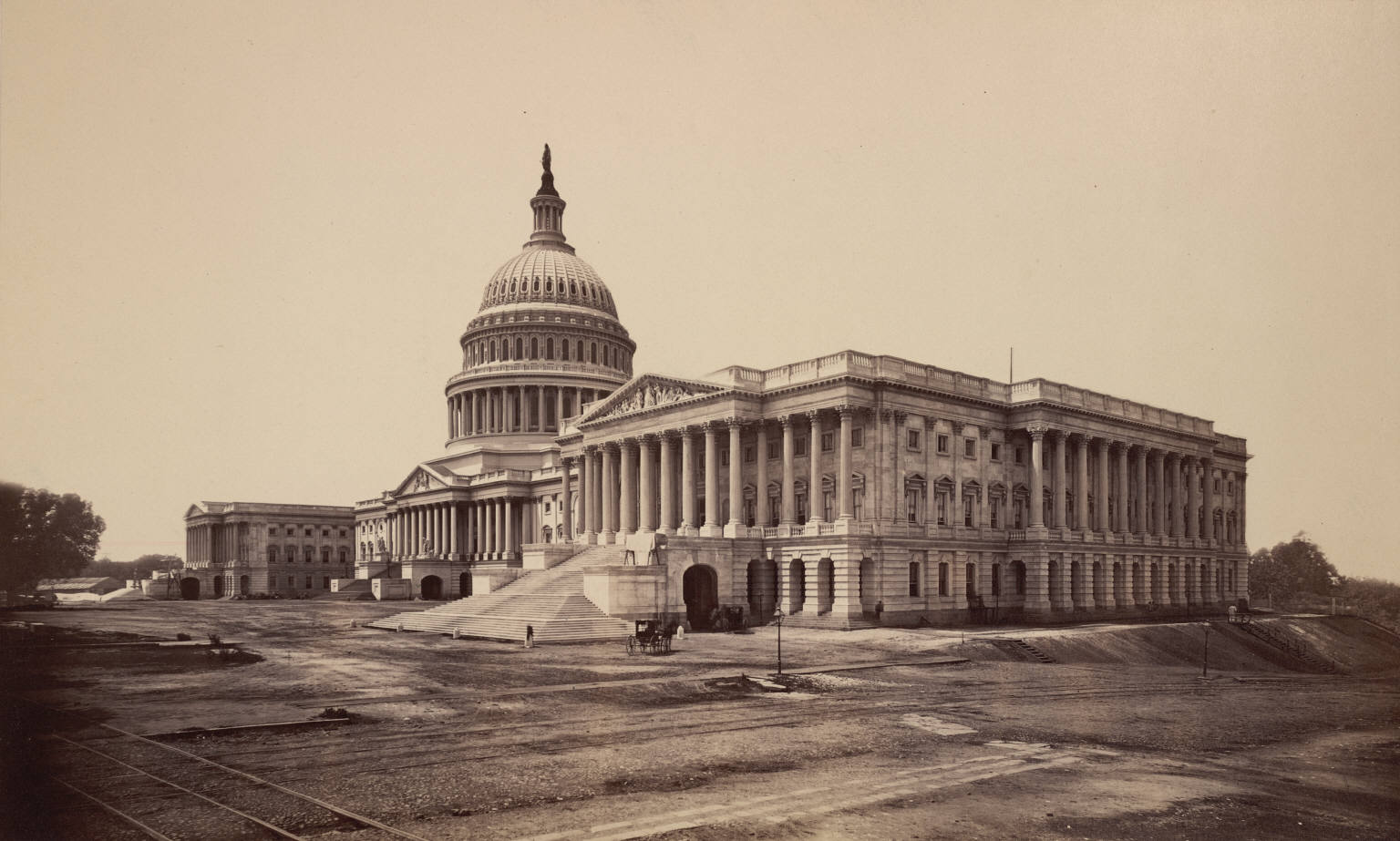
At the U.S. Capitol in Washington, pictured June 22, 2026, the stakes are concrete: Social Security has just about six years before retirement benefits may face cuts, with trustees projecting the retirement fund could run short in 2032.
Process is now the fight
AARP’s objection is not framed as a rejection of every possible Social Security fix. It is a warning about how Congress might get to one.
In a letter reported by CNBC, Nancy LeaMond, AARP’s chief advocacy and engagement officer, said the organization opposes the PROMISE Act because it would move major Social Security legislation through a special fast-track process rather than the usual committee-heavy route.
That distinction matters. Social Security changes can affect monthly checks, payroll taxes, retirement ages, survivor benefits and the long-term finances of nearly every worker and retiree in the country. AARP’s message to Congress is that the path matters as much as the policy.
The organization says regular order — committee oversight, hearings, amendments and open debate — should be the standard for a program this large. In LeaMond’s words, if regular order is the gold standard for routine legislation, it should apply even more strongly to Social Security.
How PROMISE would move faster
The PROMISE Act, short for the Protecting Retirement Opportunities and Maintaining Income Security for Everyone Act, was introduced by a bipartisan group that includes Sen. Dick Durbin of Illinois and Sen. Bill Cassidy of Louisiana.
The proposal is designed to create a formal trigger for congressional action on Social Security. It does not itself appear to set a final benefit formula or tax change. Instead, it creates a process meant to force lawmakers to consider a solvency plan.
According to the senators’ description of the proposal, the bill would:
- Task the Social Security Advisory Board with producing a base bill to keep the trust funds solvent for at least 50 years.
- Send that base bill to the Senate Finance Committee and the House Ways and Means Committee.
- Allow hearings and possible amendments, while also including a path to move the measure forward if committees do not act.
- Permit substitute proposals from members of Congress.
- Allow votes after 100 hours of consideration.
- Require a three-fifths vote in the Senate and a majority vote in the House for passage.
Supporters describe that as a structured way to break congressional paralysis. AARP sees a process that could compress decisions that deserve more daylight.
Why 2032 changed the mood
Social Security’s financing problem has been known for years, but the latest trustees report sharpened the timeline. The retirement trust fund, known as Old-Age and Survivors Insurance, is projected to be depleted in the fourth quarter of 2032, three months earlier than previously projected.
Depletion does not mean Social Security disappears. It means incoming revenue would cover only part of scheduled benefits. The trustees estimate 78% of scheduled benefits would be payable from that retirement fund at that point.
If the retirement and disability trust funds are viewed together, the projected depletion date moves to the third quarter of 2034, when 83% of scheduled benefits would be payable, according to the trustees report.
Those numbers create the political squeeze. Waiting too long could make the eventual choices harsher. Moving too fast could produce a plan that millions of Americans feel was negotiated above their heads.
AARP sees an accountability risk
AARP’s sharpest criticism is that the PROMISE Act could hand too much influence to a small, unelected advisory body and too little time to the public.
LeaMond wrote that the legislation would require an unelected, four-member Advisory Board to put together a 50-year solvency plan in just over a month, with limited public input. She also warned that, if that effort failed, any two members of Congress could force votes on their own plans within weeks.
AARP also objected to limits on amendments once plans are filed. In the group’s view, lawmakers could be pushed toward floor debates without the normal give-and-take that exposes trade-offs and lets voters see who is responsible for what.
The timing is another flashpoint. LeaMond said the bill could set up fast-tracked floor debates in a lame-duck session after November elections, when departing lawmakers are no longer accountable to voters. That is a potent argument in Social Security politics, where trust and transparency are often as important as budget math.
Supporters call delay the danger
Backers of the PROMISE Act see the situation differently. A spokesperson for Durbin told CNBC the bill would not fast-track or short-circuit the normal legislative process for changing Social Security. The spokesperson argued it would give the issue more scrutiny, debate and discussion than most measures Congress considers.
The proposal also has support from groups such as the Bipartisan Policy Center and the Committee for a Responsible Federal Budget, both based in Washington. Michele Stockwell, president of Bipartisan Policy Center Action, praised the senators for trying to create a serious bipartisan process to break what she called the status quo of inaction.
That is the strongest case for the bill: Congress has known a solvency deadline is coming, yet lawmakers have repeatedly avoided the hardest choices. A special process could force a debate that regular politics keeps postponing.
But forced debate is not the same as public buy-in. Social Security reform typically involves painful trade-offs, and any plan perceived as rushed could be politically fragile even if it clears Congress.
What seniors should watch
For retirees and workers, the immediate takeaway is that no final Social Security benefit cut or tax increase has been enacted through this proposal. The fight is over the procedure Congress might use to produce one.
That does not make the dispute minor. Procedures determine who writes the first draft, how much time committees get, whether lawmakers can amend proposals, and when votes happen. Those details can shape the final outcome as much as the headline policy choices.
The next questions are whether the PROMISE Act gains traction, whether its sponsors revise the process to answer transparency concerns, and whether AARP’s opposition makes lawmakers more cautious about any fast-track route.
Social Security’s financing gap is real, and doing nothing carries consequences. AARP’s warning is that fixing the program through a compressed process could create a different kind of problem: a once-in-a-generation decision that Americans experience as rushed, opaque or already decided before they had a chance to weigh it.









Leave a Reply