
The warning raises the stakes around Yemen’s Houthis, Red Sea shipping and Iran’s role in the conflict. It also leaves open how far Washington is willing to go if another attack follows.
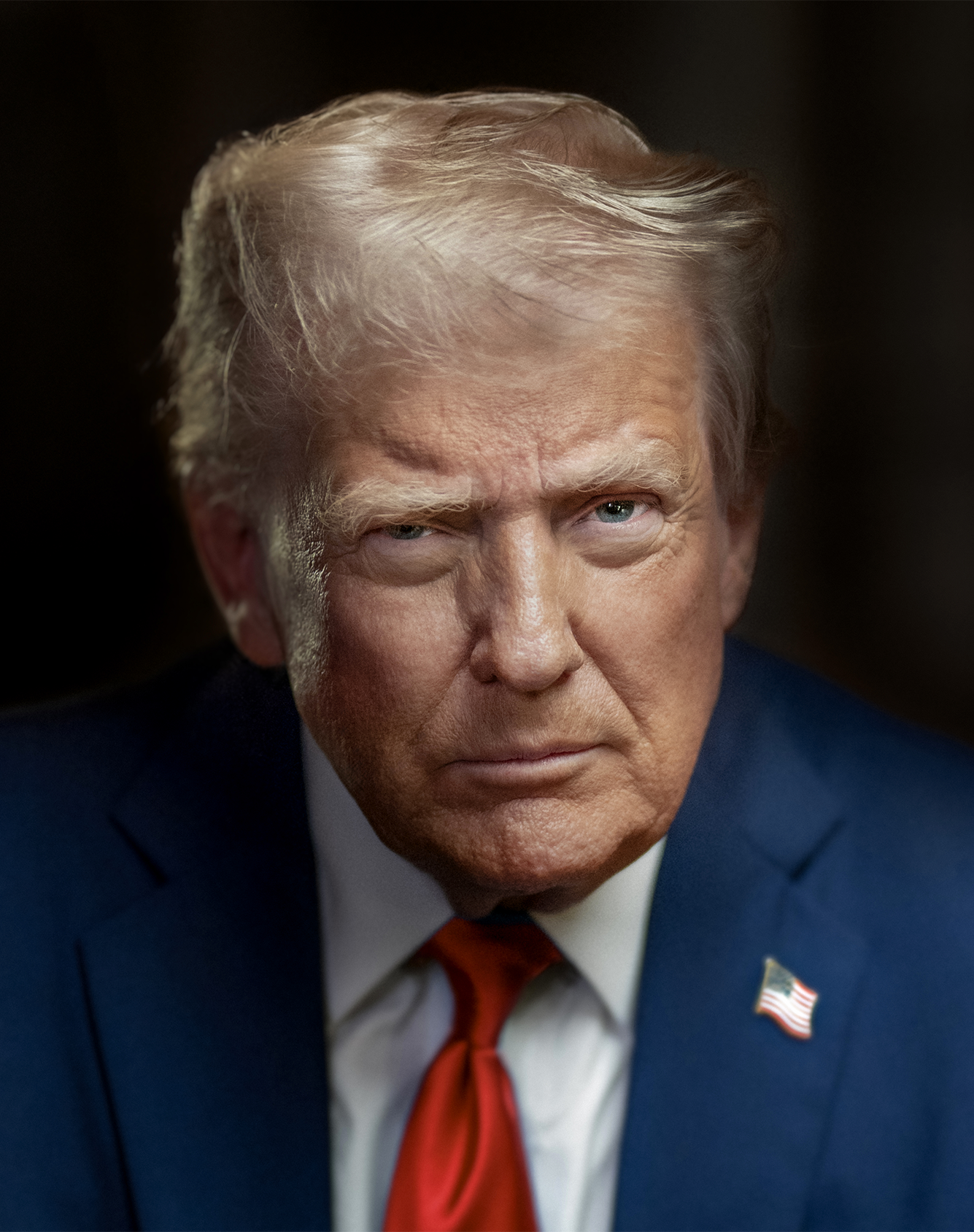
Trump said Thursday that the United States will hold Iran responsible for future Houthi attacks, warning Tehran after Houthi militants from Yemen fired on two Saudi tankers in the Red Sea and rattled oil markets. The threat sharpened a Monday message that Iran could face consequences if the Houthi attacks continue, putting Washington’s focus on Tehran as well as the group itself.
The immediate issue is whether Washington is signaling deterrence or preparing a broader response. Trump’s public warning names Iran as accountable for a militia’s actions, a shift that could make any new Red Sea strike far more dangerous.
Trump puts Tehran on notice
According to The Wall Street Journal, President Trump said the U.S. would hold Iran responsible for future attacks by Houthi militants after the group fired on two Saudi tankers in the Red Sea. The Journal reported that the attack sent oil prices sharply higher, underscoring why the shipping corridor remains a pressure point for global markets.
Trump’s message, posted on social media, went beyond criticism of Iran’s support for the Houthis. He framed the group as an Iranian proxy and threatened direct punishment.
“The Houthis are a Surrogate and/or Proxy of Iran, and major military punishment will be inflicted upon Iran and, of course, the Houthis, themselves,” Trump wrote, according to the Journal.
That wording matters. It suggests the administration may treat future Houthi attacks not only as actions by a Yemen-based armed movement, but as attacks for which Iran could be targeted or otherwise penalized.
Why the Red Sea matters
The Red Sea is one of the world’s most important maritime routes, linking the Indian Ocean to the Mediterranean through the Suez Canal. When commercial ships, tankers or naval vessels come under attack there, the effects can quickly spread beyond the Middle East.
Shipping delays can raise costs for energy, food, manufactured goods and insurance. Oil markets are especially sensitive because even limited disruption near major waterways can trigger fears about supply risk.
The Houthis, who control much of northern Yemen, have used missiles, drones and maritime attacks to project power well beyond Yemen’s borders. Their campaign has repeatedly pulled in the U.S. and its allies, who have sought to protect shipping while avoiding a wider regional war.
That is the tension behind Trump’s latest warning. The United States wants to stop attacks without letting each incident become a direct U.S.-Iran clash. Calling Iran responsible for future Houthi action narrows that space.
The Iran-Houthi link is disputed
U.S. officials have long accused Iran of enabling Houthi attacks with weapons, funding, training and intelligence. A Defense Intelligence Agency assessment described Iran as using the Houthis as part of its broader effort to project power across the Middle East.
That view is widely shared in Washington and among several U.S. partners. The Houthis have benefited from Iranian support, and their weapons capabilities have grown far beyond what Yemen’s civil war alone would suggest.
Iran has denied directing the group’s attacks. The BBC has reported that Tehran rejects accusations that it supplies the Houthis with the weapons and intelligence used in strikes on shipping lanes.
Both points can be true in the fog of proxy conflict: Iran may arm and encourage the Houthis without controlling every operation. That ambiguity is exactly what makes Trump’s warning consequential. It attempts to remove ambiguity by declaring Iran accountable regardless of the operational chain.
A warning with real risks
Trump has used similar language before. Reuters reported that he said on a Monday that he would hold Iran responsible for attacks carried out by the Houthi group it backs. The BBC reported a related warning in which Trump said “every shot fired by the Houthis” would be viewed as coming from the “weapons and leadership” of Iran.
Those statements create a public threshold. If Houthi militants launch another major strike, Trump may face pressure to act in line with his own words.
The possible responses range widely. The U.S. could increase strikes on Houthi targets in Yemen, expand sanctions on Iranian entities, target Iranian-linked weapons networks, or take more direct military action against assets tied to Tehran.
Each option carries trade-offs. Striking Houthi positions may not stop attacks if the group is willing to absorb losses. Targeting Iran more directly could deter Tehran, but it could also ignite retaliation against U.S. forces, allies or commercial shipping.
What remains unclear
Trump did not publicly spell out what would qualify as a trigger for “major military punishment.” A missile launch? A successful hit on a ship? A casualty? An attack on a U.S. vessel rather than a commercial tanker?
He also did not say what evidence the U.S. would require to attribute a future Houthi attack to Iran. That matters because proxy warfare often operates through plausible deniability, smuggling routes and overlapping chains of command.
Another unanswered question is whether U.S. allies are aligned behind the same standard. Red Sea security involves American, European, Gulf and regional interests, but not every partner will want to treat a Houthi strike as an Iranian act of war.
The warning may still be designed to deter rather than forecast imminent action. Presidents often use forceful public language to make adversaries think twice. But once a red line is drawn in public, backing away from it can carry its own costs.
The takeaway for now
Trump’s statement escalates the political stakes around the Houthis’ Red Sea campaign. It tells Iran that Washington will no longer separate Tehran’s support from Houthi attacks as neatly as before.
For readers watching oil prices, shipping costs or the risk of a wider Middle East conflict, the key point is simple: the next Houthi strike may not be treated as a Yemen-only event.
That does not mean U.S. military action against Iran is inevitable. It does mean the margin for miscalculation has shrunk, especially in a crowded theater where militias, navies, drones, tankers and political threats all move at once.



Leave a Reply