
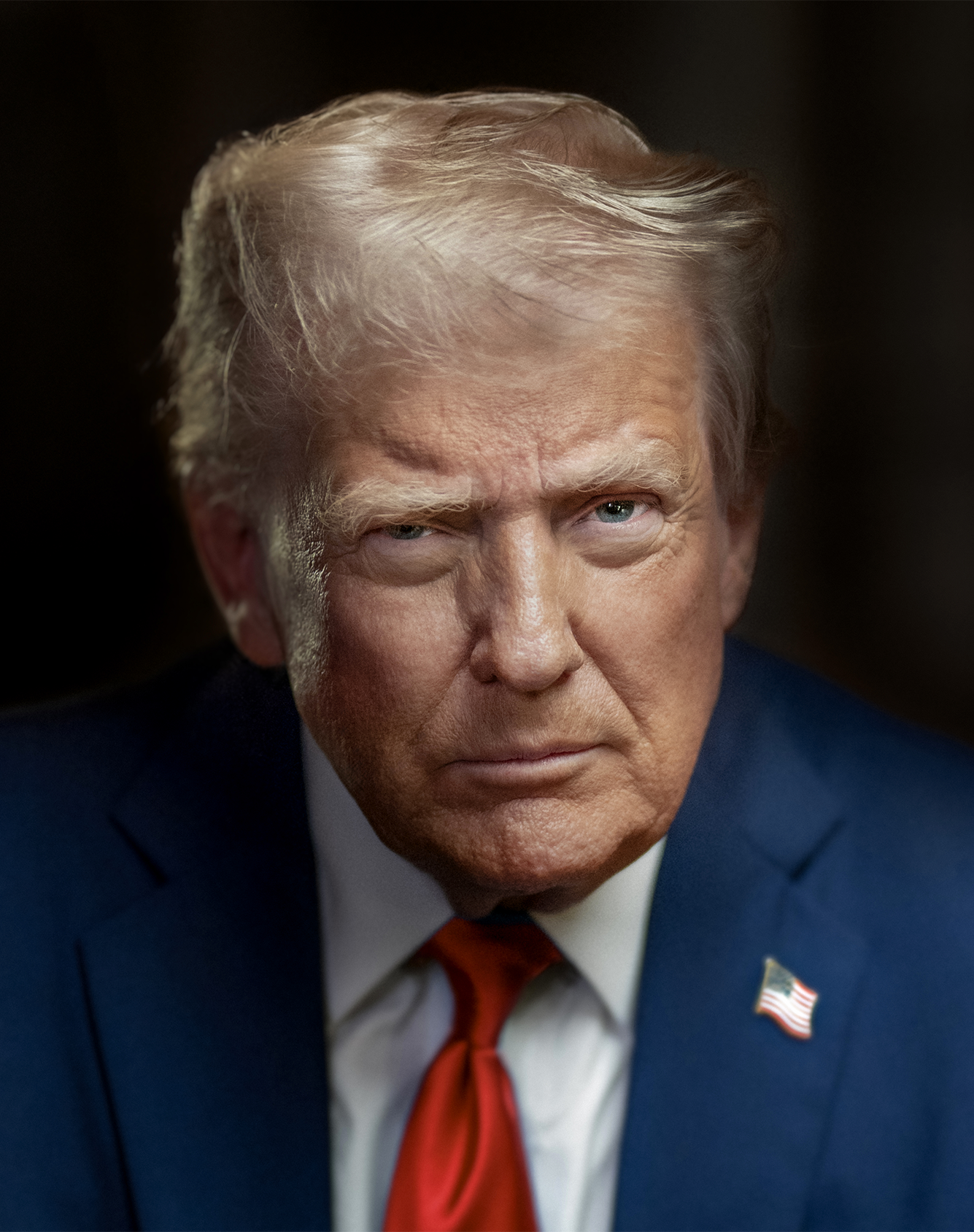
The staffing churn around Donald Trump is not just a personality story. High-level exits can shape how quickly an administration makes decisions, handles crises and keeps control of its agenda.
Donald Trump is in disarray as senior officials are leaving in record numbers, a charge now aimed at the Trump administration and the White House as fresh attention falls on high-level turnover. The stakes are bigger than palace intrigue: senior departures can slow decisions, scramble chains of command and expose whether a president’s team is built to handle crises.
The claim lands in familiar territory for Trump. The Wall Street Journal reported that his White House saw a 34% first-year turnover rate in high-level positions during his first term, twice Ronald Reagan’s 17% in 1981. The Washington Post reported on April 23, 2026, that at least five high-ranking officials had left Trump’s Cabinet and U.S. military leadership since March.
Why the exits matter
Every administration loses people. Cabinet secretaries burn out, deputies move to campaigns or private-sector jobs, and presidents replace aides who no longer fit the moment. Turnover by itself is not proof of collapse.
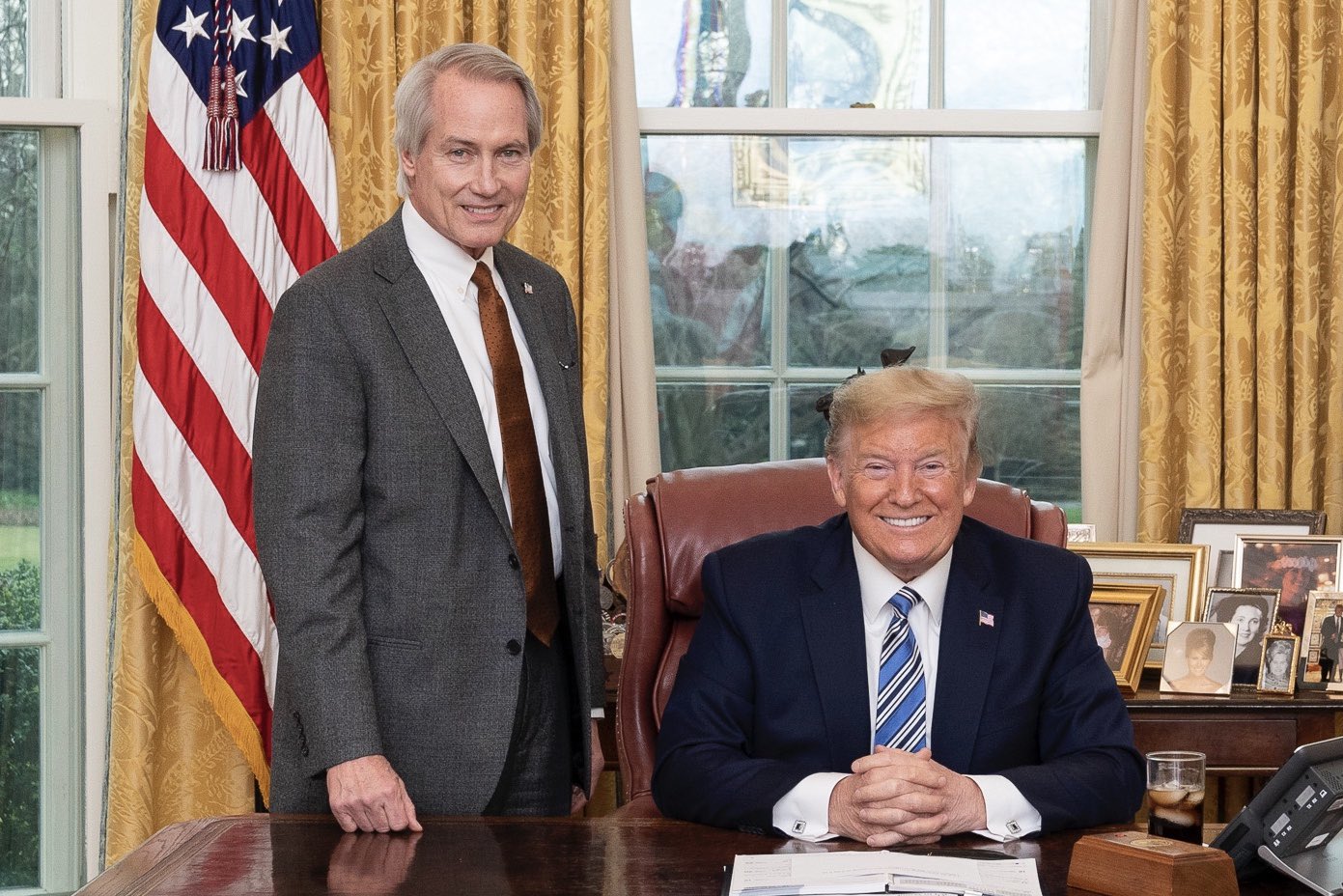
But senior-level churn is different from routine staff movement. When Cabinet officials, military leaders or top White House aides leave under pressure, the vacancies can affect who gives the president advice, who executes policy and who has authority in a crisis.
That is why the latest focus on departures in the Trump administration has become a proxy fight over competence. Critics see chaos and weak management. Supporters often see a president moving quickly to remove officials who resist his agenda or fail to perform.
The real question is not whether Trump changes personnel. He always has. The question is whether the pace and level of departures are making the administration more disciplined or less capable.
The record label has history
The phrase “record numbers” is not just a rhetorical jab. During Trump’s first year in office, the Wall Street Journal reported that the administration had a 34% turnover rate among high-level positions, a figure the paper described as unprecedented in the modern era.
Some of the most recognizable names from that period left quickly. Michael Flynn, Trump’s first national security adviser, was fired after 25 days. Reince Priebus and Steve Bannon were gone before the end of the first summer. Anthony Scaramucci’s brief run as communications director became shorthand inside and outside Washington for the volatility of that White House.
Those early departures helped define the public image of Trump’s first administration: fast-moving, combative and unusually willing to burn through top advisers. That history matters because new reports of senior exits are being judged against a pattern voters and Washington officials already know.
It also complicates the current debate. If Trump’s team argues that turnover is a tool of control, critics can point to years of evidence that rapid churn has often accompanied internal conflict, public reversals and uneven execution.
A spring shakeup raised alarms
The current scrutiny intensified after a series of reported departures in 2026. The Washington Post reported on April 23 that at least five high-ranking officials had been forced out or resigned under pressure since March, including figures in Trump’s Cabinet and U.S. military leadership.
The Post tied that two-month window to a turbulent stretch involving a U.S.-Israeli war against Iran, higher energy prices and pressure on Trump’s approval ratings. The reporting described the ouster of Navy Secretary John Phelan after 13 months as part of a broader spring shakeup.
That context is important. Personnel changes during quiet periods may look like normal management. Personnel changes during foreign-policy stress, economic pain or falling approval numbers can look like a search for blame, a struggle over strategy or an attempt to reset the public narrative.
None of that proves the administration cannot function. It does show why each exit gets read as more than a résumé change. At senior levels, timing can be as revealing as the departure itself.
Trump allies see a purge
There is a competing argument that should not be dismissed. Trump’s political brand has long been built around disruption, loyalty and speed. To his allies, replacing senior officials is not necessarily a warning sign; it can be evidence that he is enforcing accountability.
Presidents often complain that agencies move too slowly, that Senate-confirmed officials become too independent or that military and national security leaders resist political direction. Trump has been more open than most presidents about wanting loyalists who will carry out his priorities without bureaucratic drag.
In that view, high turnover can be framed as a purge of underperformers, internal opponents or people who were never aligned with the president’s agenda. Supporters may argue that Washington treats Trump’s personnel moves as scandalous because he is more blunt about a practice every president uses.
The weakness in that defense is scale. A president can replace a few officials to sharpen control. If departures stack up across agencies and crises, the line between discipline and disorder gets harder to draw.
Critics see governing risk
Critics of the administration view the departures through a different lens. They argue that constant churn makes it harder for agencies to plan, for foreign governments to know whom to trust and for Congress to negotiate with stable counterparts.
High-level vacancies also create practical problems. Acting officials may have limited authority or political capital. New leaders need time to learn departments. Staff below them may hesitate to make decisions if they think the next boss will reverse course.
That matters most in national security, defense, emergency response and economic policy, where missed signals and delayed decisions can carry real costs. A White House can survive bad headlines. It has a harder time absorbing dysfunction if the people responsible for execution keep changing.
The public rarely sees those effects immediately. They show up later: in delayed rollouts, mixed messaging, conflicting statements, policy reversals or agencies waiting for direction that never fully arrives.
What remains unclear
The biggest unknown is whether the latest departures are isolated personnel decisions or part of a broader instability inside the Trump administration. The available reporting points to a notable wave of senior exits, but the full picture depends on which roles are filled, how quickly replacements are installed and whether policy execution suffers.
It is also unclear how much of the churn is driven by Trump himself, by disputes among advisers, by external pressure from Congress and allies, or by the strain of governing during crisis. Those causes matter because they point to different outcomes.
If the White House replaces officials with experienced loyalists who can execute policy cleanly, the shakeup may fade as another Trump-era management storm. If departures continue across sensitive posts, the “disarray” label will become harder for the administration to wave away.
For now, the story is less about any single exit than about the pattern. Trump has always treated staffing as a weapon of control. The risk is that, at a certain point, the weapon can start cutting into the machinery of government itself.





Leave a Reply