
The Maine Republican’s criticism puts new pressure on the Pentagon to explain a widening series of senior officer removals. The dispute now touches military leadership, diversity, congressional oversight and defense spending power.
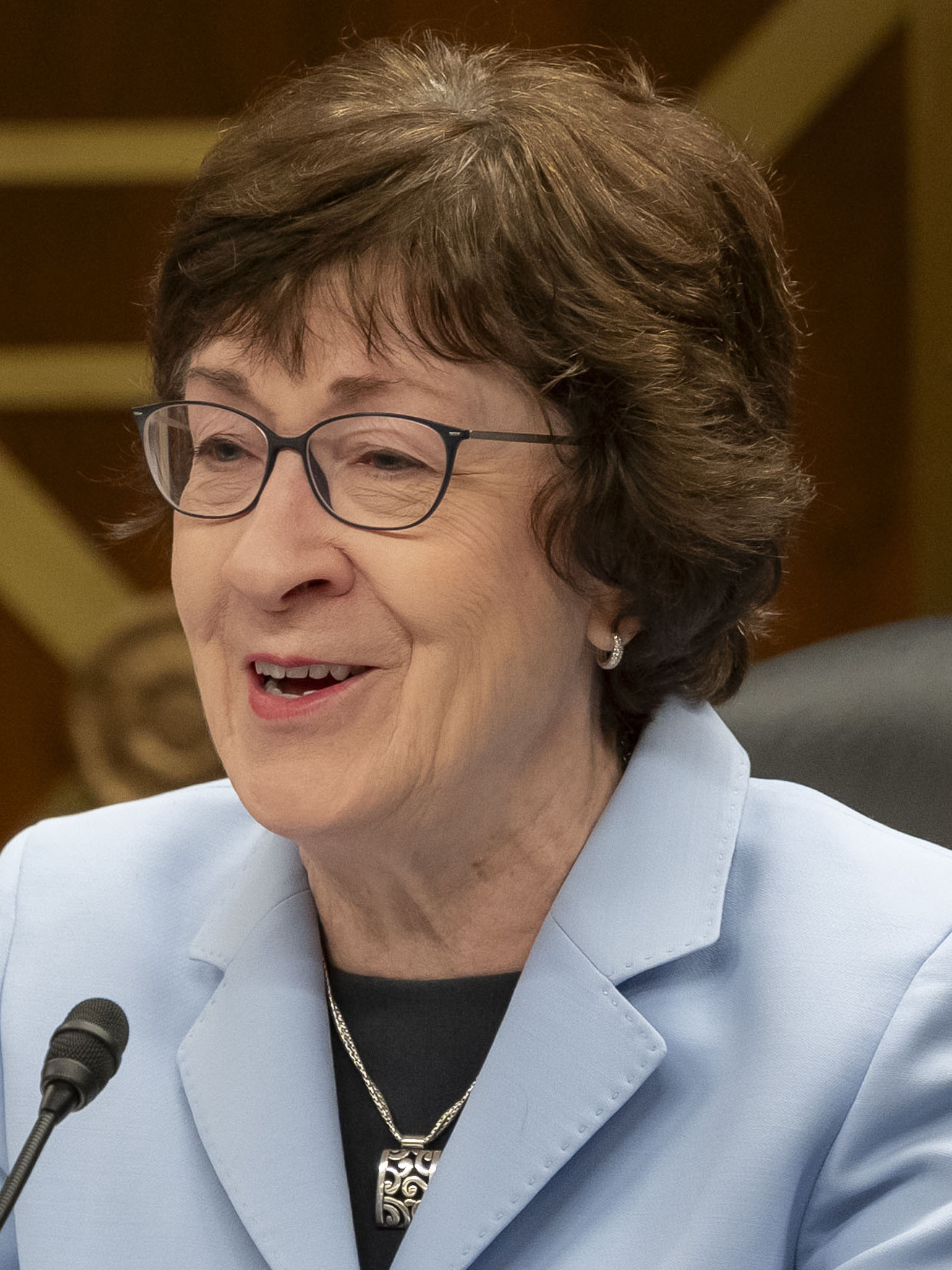
Susan Collins criticized Pete Hegseth’s removal of senior military officers on Tuesday, saying Hegseth removed more than two dozen senior military officers since taking over at the Pentagon. Collins made the comments during a Tuesday appropriations hearing, using her opening statement as chair of the Senate Appropriations Committee to call the removals deeply troubling.
The rebuke matters because it came from a senior Republican with direct influence over defense funding. Collins argued the personnel moves risk harming military leadership, discouraging qualified service members and weakening confidence in the Pentagon’s senior ranks.
A Republican warning from the dais
Collins did not frame her criticism as a routine disagreement over staffing. According to The Hill, she said the dismissed officers were “men and women who volunteered to serve our country and swore an oath to support and defend our Constitution.”

That language cut to the core of the dispute: whether the removals are a normal exercise of civilian control over the military or a pattern that could make senior officers appear vulnerable to political loyalty tests.
Defense secretaries have broad authority to shape leadership teams, and administrations often want military leaders aligned with their priorities. Collins’s objection was aimed at the scale, pace and apparent lack of public explanation around the moves.
The removals under scrutiny
The Hill reported that Collins highlighted the February 2025 firing of Adm. Lisa Franchetti, the first woman to lead the Navy. She also pointed to a broader record that includes removed senior officers, blocked promotions across three service branches and interventions in several senior officers’ assignments.
Among the high-profile officers cited in coverage of the upheaval are former Army chief of staff Gen. Randy George and Gen. Chris Donahue, the commander of U.S. Army Europe and Africa.
Those names matter because these are not obscure personnel slots. Senior military leaders shape readiness, planning, operations, alliances and the culture of the services. Replacing them can be justified, but doing so repeatedly invites questions about criteria and consequences.
Collins raises a meritocracy concern
Collins also cited news reports that women and people of color were disproportionately fired or sidelined. She argued that the pattern could discourage qualified women and people of color from joining or staying in the armed forces, depriving the country of their “talent, dedication, and patriotism.”
Her argument was not that every senior officer is entitled to keep a command. It was that the military’s reputation as a merit-based institution depends on service members believing advancement will not be derailed by identity, politics or unexplained intervention.
“The United States military is one of the greatest meritocracies in the free world,” Collins said, according to The Hill. “We need to make sure that it stays that way.”
The available reports cited here do not include a detailed response from Hegseth to Collins’s hearing remarks. That leaves a central question unanswered: what specific performance, policy or command reasons the Pentagon believes justified each removal or blocked promotion.
Congress wants written explanations
The pressure on Hegseth is not limited to Collins. The House Armed Services Committee last month adopted, without objections in a bipartisan voice vote, a provision in the annual National Defense Authorization Act that would require the Pentagon to tell Congress why senior military officers were fired or dismissed within five days.
That provision is narrow but significant. It would not stop the Pentagon from removing senior officers. It would force the department to create a quick record for Congress, making it harder for major leadership changes to happen without explanation.
Democrats have been sharper in their language. In an April statement from the House Armed Services Committee Democrats, ranking member Adam Smith said Hegseth’s “baseless firings” of Gen. Randy George and other senior officers weakened national security and amounted to “serious alarm.”
Collins’s comments add a different kind of pressure because she is a Republican appropriator, not a Democratic critic. In Congress, funding power and oversight power often move together.
The deeper civil-military tension
At one level, the issue is personnel. At another, it is about the boundary between civilian leadership and a professional, nonpartisan military.
Civilian control of the armed forces is a foundation of the U.S. system. A defense secretary is not merely allowed to make leadership changes; the job requires judgment about who should hold command authority.
But that power is politically sensitive. If officers believe promotions and assignments depend on ideological alignment rather than performance, morale can suffer. If lawmakers believe the Pentagon is removing experienced leaders without sufficient cause, Congress can respond through hearings, reporting requirements and spending restrictions.
That is why Collins’s choice of venue matters. An appropriations hearing is where policy concerns can become budget conditions, reporting mandates or pressure on department leaders to explain themselves under oath.
What remains unclear now
The immediate next step is whether congressional scrutiny produces more transparency from the Pentagon. The House provision requiring explanations within five days still has to survive the broader defense authorization process before it becomes law.
Several facts remain unresolved in the public record cited in this dispute:
- Whether the Pentagon will provide detailed reasons for each senior officer removal.
- How many blocked promotions or reassigned officers are part of the same pattern Collins described.
- Whether women and people of color were disproportionately affected, and by what measure.
- Whether Senate appropriators will attach funding consequences or reporting requirements to the issue.
For now, Collins has turned a series of Pentagon personnel moves into a public test of accountability. Hegseth may have the authority to replace senior military leaders, but Congress is signaling that authority will not necessarily mean silence.







Leave a Reply