
Johnson’s remark puts a limit on how long Republican leaders can stay aligned with Trump’s military posture while voters grow wary of the conflict. The next test is whether Congress moves beyond frustration and acts.
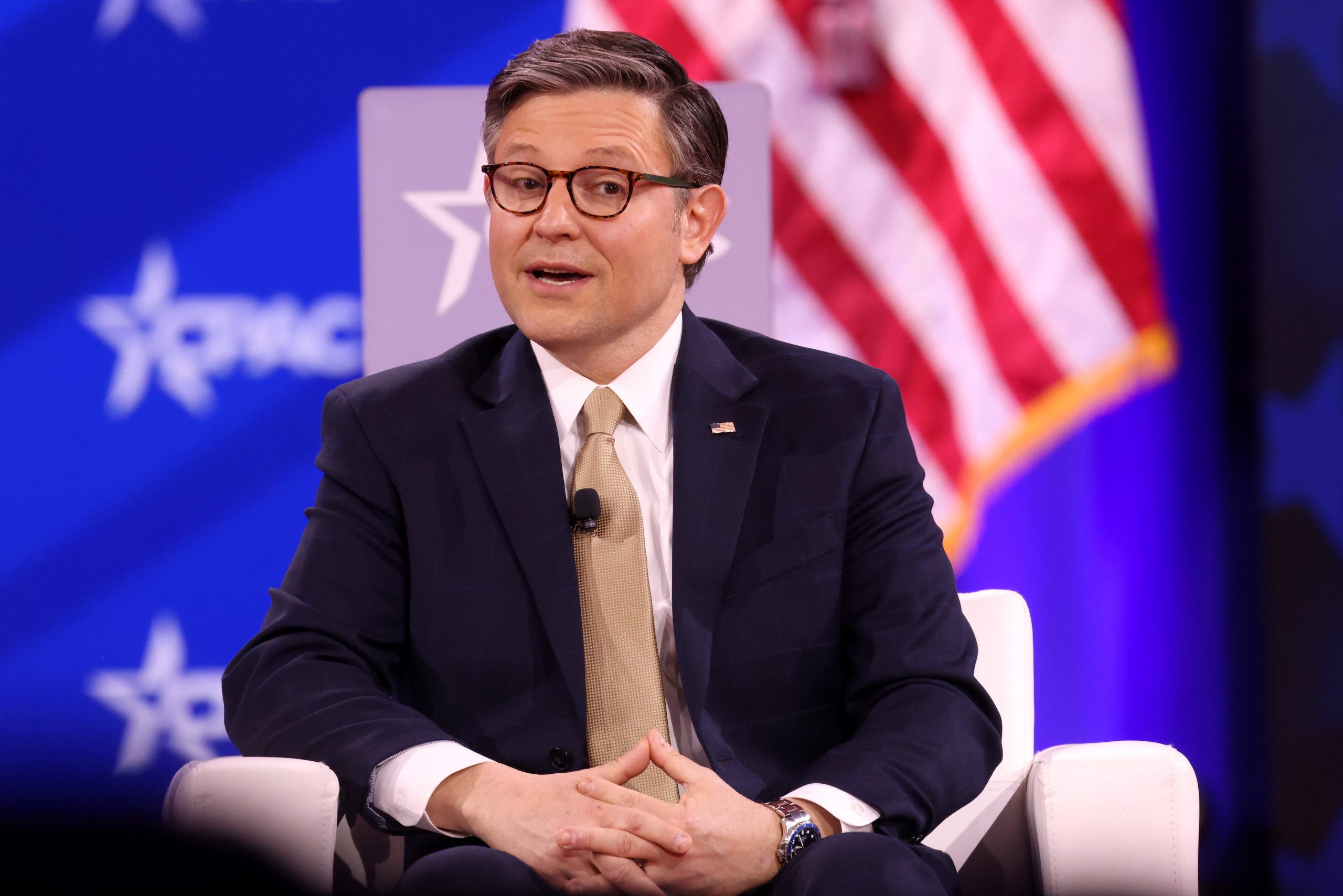
House Speaker Mike Johnson is pushing to end the Iran war, saying in Washington on July 21 that “we got to wrap it up.” The Louisiana Republican’s remark, reported July 22, 2026, lands as U.S. Congress and House Republicans face a fast-moving fight over American involvement in Iran, the escalating conflict, and whether lawmakers should force a resolution.
Johnson, a close ally of President Donald Trump, is not merely offering a mood check. His public urgency matters because Republicans are trying to defend congressional majorities while polls show voters — including parts of Trump’s own MAGA coalition — souring on the war’s costs.
Johnson puts a limit on patience
Johnson’s phrase was short, but politically loaded. “We got to wrap it up,” he said at a July 21 press conference, according to USA Today.
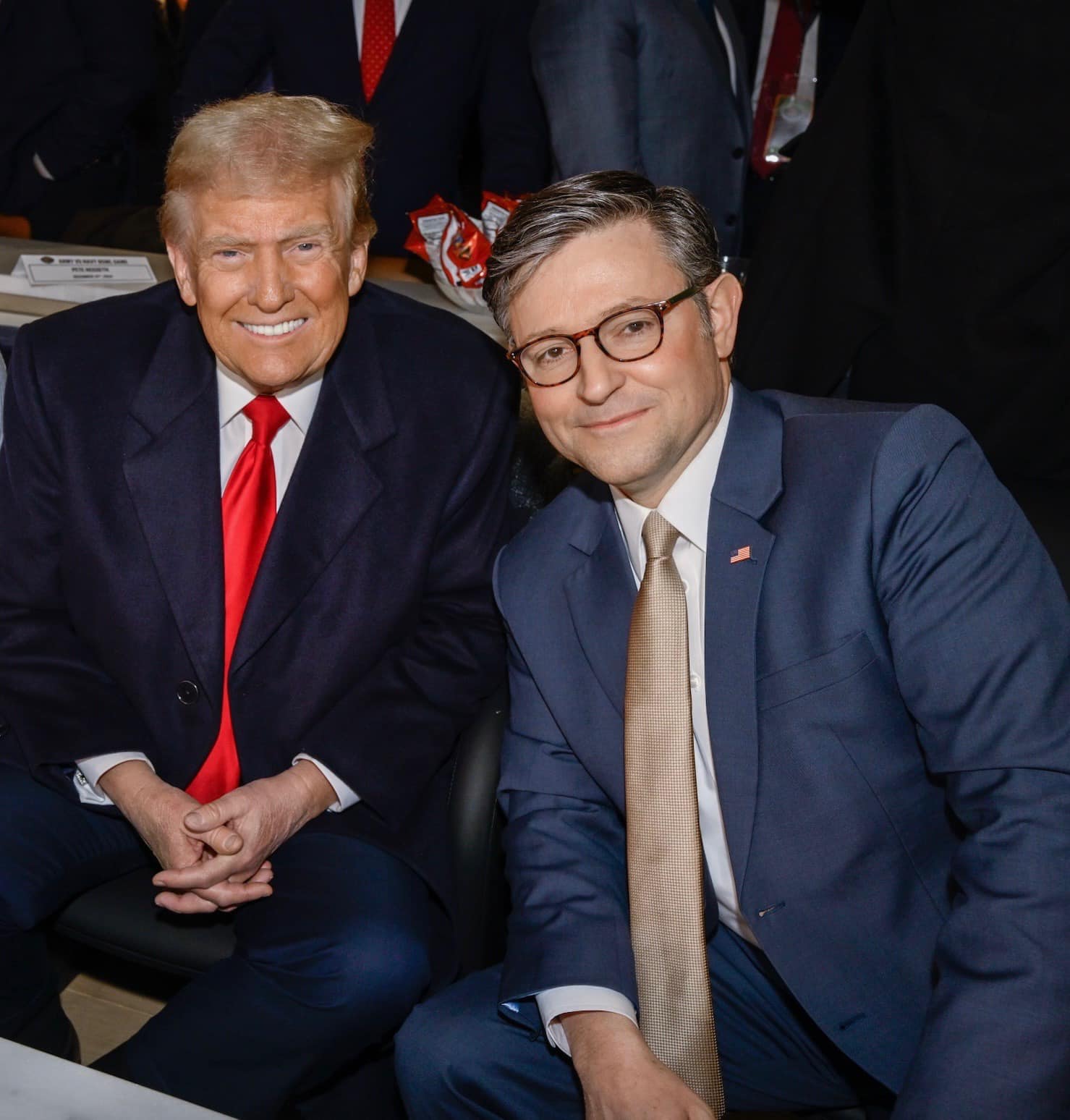
That is not the language of a speaker promising an open-ended campaign. It is the language of a party leader trying to acknowledge the pressure building around a conflict that has moved from foreign policy briefings into the center of congressional politics.
The careful part is what Johnson did not say. He did not openly denounce Trump’s approach, and he did not outline a specific endgame. But he did signal that the war cannot simply continue on momentum while Congress heads toward recess and voters head toward midterm decisions.
For a speaker who often works to keep Trump-aligned Republicans together, that matters. Johnson’s job is not only to pass bills; it is to keep a narrow and ideologically divided House majority from cracking under the weight of a war many voters do not see as worth the price.
The conflict is still escalating
The timing is what gives Johnson’s comment its edge. USA Today reported that the United States was entering a possible 12th day of strikes on Iran, while multiple Arab Gulf allies reported attacks from Iran.
At the same time, the White House has continued to point to negotiations and a cease-fire as goals. That creates a familiar wartime split screen: public talk of diplomacy, paired with military action that appears to be intensifying.
Trump’s own messaging has leaned in the opposite direction from Johnson’s “wrap it up” posture. While traveling to attend a dignified transfer for four U.S. service members killed in the conflict the previous weekend, Trump wrote on Truth Social that if Iran shoots at a ship in the Strait of Hormuz, the United States would bomb and destroy “one bridge or power plant,” including sites in or near Tehran.
That statement underscores the immediate risk for Johnson. A speaker can urge an end to the war, but the president controls the military posture in the moment unless Congress chooses to assert its own authority.
Congress faces a war powers test
The House is expected to vote again this week on a war powers resolution to end American involvement in the conflict before lawmakers leave for a monthlong August recess, according to USA Today.
That vote would be more than a symbolic airing of grievances. War powers fights are about who gets to decide when U.S. troops remain in hostilities: the president as commander in chief, Congress as the branch that authorizes war, or some tense blend of both.
Official House Clerk records show lawmakers already had a June 3 roll-call vote on a war powers resolution concerning the removal of U.S. armed forces from hostilities with Iran. The fact that the issue is returning so quickly shows how unsettled the question remains.
Johnson also told USA Today in late June that if fighting continued, a renewed 60-day clock for congressional authorization of military action could be needed. That is a key constitutional pressure point: once military action stretches beyond an emergency rationale, lawmakers face harder questions about whether they are merely watching the war or authorizing it.
Republicans see the political danger
The politics are becoming as difficult as the policy. Republicans are trying to hold fragile majorities in both the House and Senate in November’s midterms, and the Iran conflict is cutting into what had been a reliable source of support for Trump: his base.
A POLITICO poll released Wednesday found that only about a third of MAGA voters said the Iran war was worth the economic strain, down from almost half in May. A Washington Post/Ipsos poll from the previous week found that more than two-thirds of Americans disapproved of Trump’s handling of the conflict, according to USA Today’s summary.
Those numbers help explain why Johnson’s comment landed loudly. A foreign conflict can be politically manageable for a majority party when voters see clear goals, limited costs and quick success. It becomes dangerous when the mission feels indefinite and the bill — in lives, money and economic disruption — keeps growing.
There is also a deeper Republican tension here. Some hawks argue that sustained military pressure is necessary to deter Iran, protect U.S. forces and defend shipping routes and regional allies. Others, including parts of the Trump-era right, have grown hostile to prolonged foreign wars and skeptical of Washington’s national security establishment.
Johnson is threading a needle
Johnson’s position appears designed to live between those camps. He can say the war needs to end without directly accusing Trump of overreach. He can support U.S. strength while warning that the current trajectory is unsustainable.
That may be politically smart, but it is not a complete answer. “Wrap it up” sounds decisive; the hard part is defining what a wrapped-up Iran conflict looks like.
Does it mean a cease-fire? A negotiated settlement? A halt to U.S. strikes? A congressional vote cutting off American involvement? Or simply a narrower military mission with a new authorization clock?
Those distinctions matter because every side can temporarily hear what it wants in Johnson’s words. War-weary Republicans can hear pressure to end involvement. Trump loyalists can hear support for ending the conflict from a position of strength. Constitutional conservatives can hear a call for Congress to reclaim its role.
What remains unclear now
The next major signal will come from the House vote. If a war powers resolution gains meaningful Republican support, Johnson’s comment may look like the start of a broader congressional push. If it fails or stalls, the remark may function more as a warning than a governing move.
The White House’s response will matter just as much. Trump’s threat of expanded retaliation over attacks in the Strait of Hormuz suggests he is not backing away from military escalation, even as his party’s top House leader says the conflict needs to be brought to a close.
The most important unanswered question is whether Republicans can reconcile those two messages before the war defines them in the midterms. Johnson’s urgency reflects a reality leaders often recognize before they say it plainly: public patience can collapse faster than Washington’s strategy can adapt.
For now, the speaker has put a marker down. The Iran war is no longer just a test of Trump’s foreign policy. It is a test of whether Congress, and Johnson’s Republican majority in particular, is willing to shape the ending rather than inherit the consequences.






Leave a Reply