
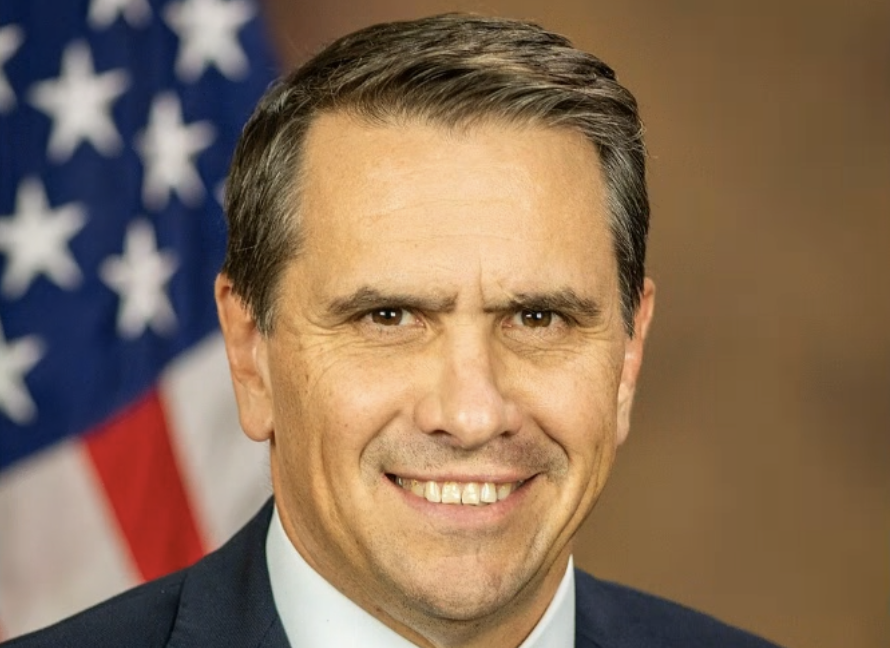
The confirmation fight is no longer just about Todd Blanche’s qualifications. Senators are using the Epstein files to press a larger question: how much the Justice Department will disclose when politics, privacy and public trust collide.
Todd Blanche is being grilled about the Epstein files at his confirmation hearing, and his nomination to be attorney general faces a hurdle after a rocky Senate Judiciary Committee session at the Hart Senate Office Building on Wednesday, July 15, 2026. Senators are using the Epstein questions to press Blanche and the Justice Department on what information has been withheld, what oversight requests remain unanswered and whether the department will be more transparent if he is confirmed.
The confirmation fight is no longer just about Blanche’s qualifications. The Epstein files have turned his hearing into a test of Justice Department disclosure, congressional oversight and public trust, with Democrats pushing for answers before the nomination advances.
Epstein became the pressure point
The Senate Judiciary Committee’s official notice listed the hearing as the nomination of Todd Blanche to be attorney general of the United States, scheduled for 9 a.m. in Room 216 of the Hart Senate Office Building. On paper, that is routine Washington machinery.
In practice, the hearing quickly became about trust. Reports on the hearing described Blanche, currently serving as acting attorney general, as being pressed over his office’s handling of Epstein-related matters. The New York Times framed the nomination as facing a hurdle after a rocky hearing.
That framing matters because Epstein is not just another name in a personnel hearing. The late financier’s sex-trafficking case, his 2019 death in federal custody and the long-running fight over associated records have made the so-called Epstein files a recurring flashpoint across party lines.
For senators, the files offer a way to ask a bigger question without sounding abstract: will Blanche run a Justice Department that answers Congress, or one that controls information tightly when the subject is politically explosive?
Why the files carry weight
The phrase “Epstein files” can mean different things depending on who is using it. It may refer broadly to investigative records, correspondence, court-adjacent materials, internal DOJ decisions or documents tied to people connected to Epstein and Ghislaine Maxwell.
That ambiguity is part of the political problem. Some lawmakers and members of the public want maximum disclosure, arguing that secrecy has fed years of suspicion about powerful people and unequal justice. Others warn that not every record can or should be released, especially if it could identify victims, compromise lawful investigative methods or expose uncharged people to public accusation.
Blanche’s challenge is to speak to both concerns. A nominee for attorney general cannot simply promise to “release everything” without regard to legal limits. But a nominee also cannot dodge the public-confidence issue by hiding behind process language.
That tension made the hearing more than a loyalty test. It became a preview of how Blanche would handle politically sensitive records if he becomes the nation’s top law enforcement official.
Whitehouse sharpened the oversight fight
Sen. Sheldon Whitehouse, a Rhode Island Democrat and senior member of the Senate Judiciary Committee, put the oversight issue on the table before the hearing began. In a Senate release, Whitehouse said he had sent a June letter to Blanche about “multiple outstanding oversight requests” involving the Justice Department.
The release said those requests numbered in the dozens and had gone unanswered or received incomplete responses. Whitehouse argued that Congress should not have to rely on Freedom of Information Act requests to obtain information from an agency it oversees.
The same release said Whitehouse’s inquiries touched on DOJ’s treatment of Ghislaine Maxwell, FBI Director Kash Patel’s private jet use and allegations that the department was being bent to President Trump’s will. Those are partisan charges, and Blanche’s allies would likely view them as an attempt to load the hearing with political baggage.
But the oversight demand is not a side issue in a confirmation hearing. Senators are being asked to give Blanche the authority to lead the Justice Department. They are also asking whether he will accept that Congress has a constitutional role in scrutinizing how that department uses power.
Blanche needed more than credentials
Every attorney general nominee arrives with a résumé. Blanche’s hearing showed that credentials alone may not carry the day when senators see unanswered questions around a high-profile case.
The political stakes are obvious. The attorney general oversees federal law enforcement, advises the executive branch and sets the tone for how the Justice Department responds to oversight. In a divided and suspicious political environment, the job is as much about credibility as command.
For supporters, the Epstein questioning may look like a familiar confirmation tactic: seize on the most controversial topic available, force the nominee into difficult territory and use imperfect answers as evidence of unfitness. That view will resonate with those who believe the hearing was less about the files than about damaging Trump’s nominee.
For critics, the questioning goes to the center of the job. If Blanche cannot provide clear commitments on document production, victim protection and lawful disclosure during a confirmation hearing, they will argue, senators should be wary of giving him the office permanently.
The unanswered question on disclosure
The hardest issue for Blanche is where to draw the line between transparency and restraint. The public appetite for Epstein-related records is intense, but the Justice Department does not operate like a political clearinghouse.
Some materials could be protected by grand jury secrecy, privacy law, victim-safety concerns or ongoing investigative interests. Other materials may be embarrassing, politically inconvenient or institutionally uncomfortable without being legally protected. The public fight is often over which category a withheld document really belongs in.
That is why senators are pressing not just for a sound bite, but for a process. They want to know whether Blanche would commit to timely responses, explain legal bases for withholding documents and avoid using bureaucratic delay as a shield.
Whitehouse’s stated position was blunt: “No new Attorney General should be confirmed” until the department provides meaningful responses to outstanding oversight requests and commits to timely responses going forward. That gives Democrats a clear argument against quick confirmation if they remain unsatisfied.
Where the nomination goes now
The immediate question is whether Blanche’s answers gave wavering senators enough confidence to move forward. A rocky hearing does not automatically sink a nominee, but it can slow the process, harden opposition and create pressure for follow-up written answers.
Expect the next stage to focus less on hearing-room exchanges and more on documents. Senators can demand supplemental responses, ask for commitments in writing or tie their support to the department’s handling of pending oversight requests.
What remains unclear is how much the Justice Department will disclose, how Blanche will justify any limits and whether the Epstein-file dispute becomes the defining issue of his nomination. Confirmation fights often turn on one moment, but this one may turn on whether senators believe the answers continue after the cameras leave.
The takeaway is simple: Blanche’s attorney general bid is now tied to a question larger than his own future. The Epstein files have become a test of whether the next Justice Department chief can protect legitimate secrecy without looking like he is protecting the powerful.









Leave a Reply