
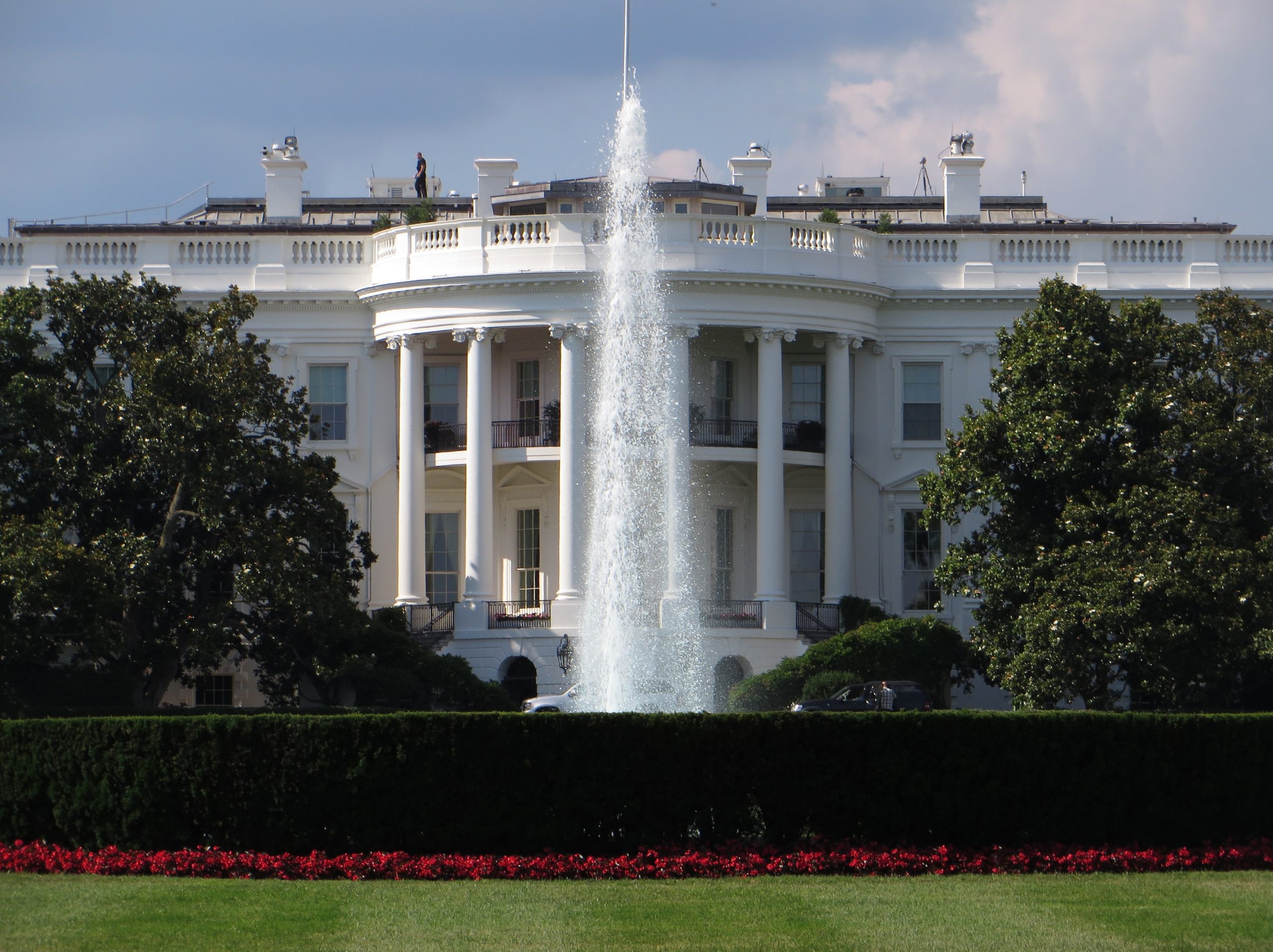
The phone request signals a more aggressive phase in a White House effort to find who shared sensitive information. It also raises questions about trust, power and how far leak investigations can go.
Officials at the White House were asked to turn over their phones as Susie Wiles and Kash Patel are leading an intensifying leak probe, CNN reported July 15. Wiles, President Donald Trump’s chief of staff, and Patel, the FBI director, helped orchestrate a White House investigation into who leaked information about Qatar-related security deficiencies, according to the report.
The escalation matters because leak hunts can quickly become tests of internal trust, legal boundaries and political control inside the West Wing. Phone records are already a charged backdrop: Reuters previously reported the FBI subpoenaed phone records of calls made by Patel and Wiles during the Biden administration.
The probe moved to phones
The most striking detail in CNN’s report is the request for White House officials to turn over phones. That takes the leak inquiry beyond hallway suspicion and into the digital record of who communicated with whom, when and potentially through which channels.
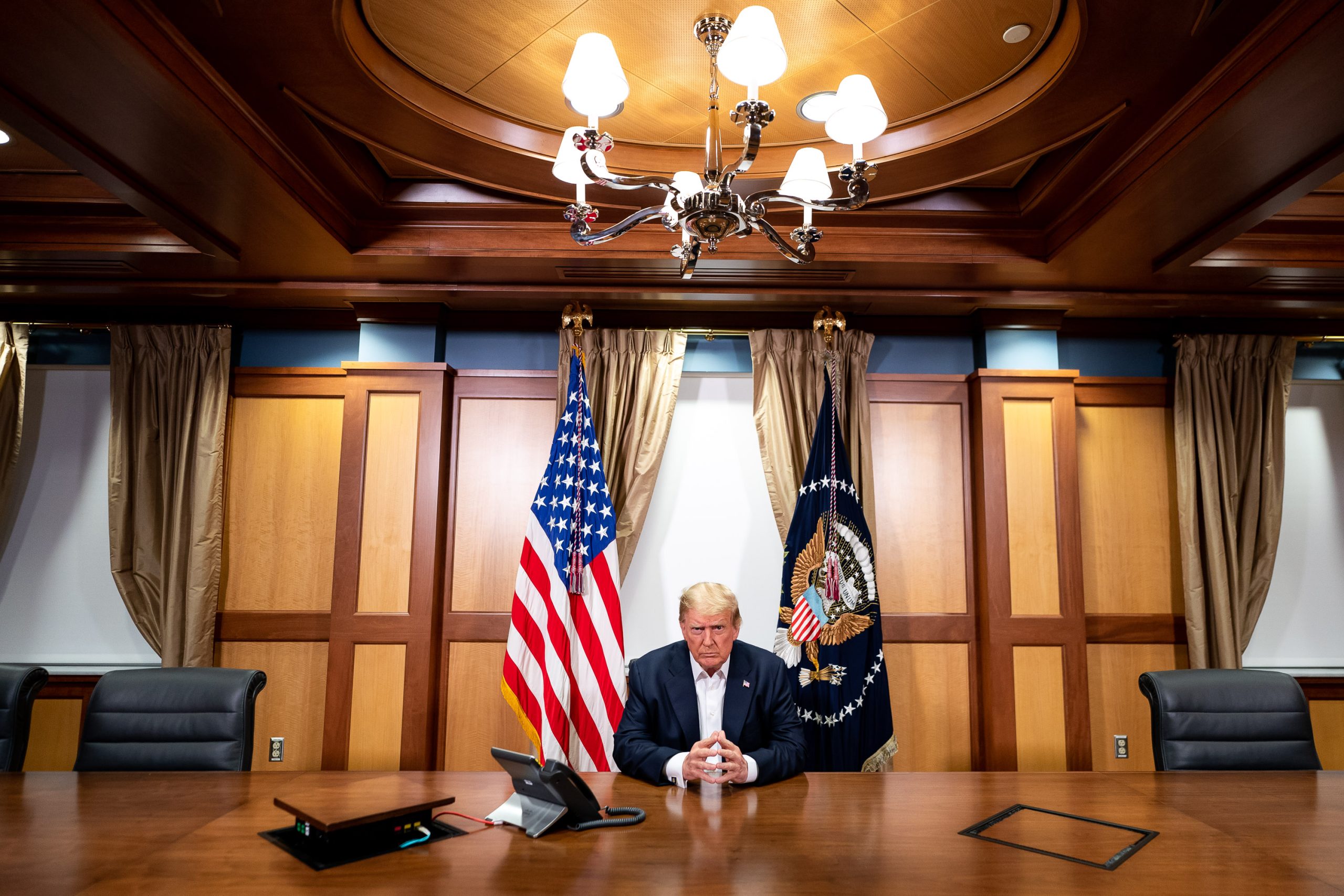
CNN described Wiles and Patel as personally involved in a sprawling investigation last week at the White House. The stated aim, according to the report, was to determine who in government leaked information tied to security deficiencies involving Qatar.
That does not mean every official asked for a phone is accused of leaking. In leak investigations, broad requests can be used to narrow timelines, check contact patterns or eliminate people from suspicion. But in any White House, asking for devices sends a message: the circle of trust has tightened.
What remains unclear from the available reporting is whether the requests involved government-issued phones, personal phones or both. That distinction matters because the rules, expectations and privacy concerns can differ sharply depending on the device.
Why Wiles and Patel matter
Susie Wiles is not a peripheral figure. As Trump’s chief of staff and one of his closest aides, she sits at the center of White House operations, staffing decisions and internal discipline. If she is helping drive the probe, the effort is coming from the top tier of the administration.
Kash Patel’s role carries a different kind of weight. As FBI director, his involvement links the White House’s internal political concerns with the country’s premier federal law enforcement agency. That combination is exactly why the probe is drawing attention.
Supporters of aggressive leak investigations argue that unauthorized disclosures can expose sensitive security information, disrupt diplomacy and undermine a president’s ability to govern. From that view, a firm response is not optional; it is part of protecting government operations.
Critics tend to see another risk: leak hunts can chill legitimate whistleblowing, discourage internal dissent and make officials fear that routine contact with colleagues or reporters could be treated as suspicious. The same facts can look like accountability to one side and intimidation to another.
The Qatar thread raises stakes
CNN’s available summary points to leaked information about security deficiencies connected to Qatar. Even without the full details of the underlying matter, the subject is sensitive because security issues involving a foreign government can implicate diplomacy, intelligence practices and presidential decision-making.
Leak probes become more intense when the information at issue touches national security or foreign relations. The administration can argue that the leak was not merely embarrassing, but potentially damaging.
That also makes the unanswered questions more important. It is not yet clear what specific information was leaked, who had access to it, whether it was classified or otherwise protected, and whether investigators believe the disclosure came from inside the White House or elsewhere in government.
Those details will shape how the phone requests are judged. A narrowly tailored review tied to a serious security breach is one thing. A sweeping search for political disloyalty would be another.
Phone records are already political
The phone angle has an added twist because Patel and Wiles have previously been connected to a separate phone-records controversy. Reuters reported in February 2026 that the FBI subpoenaed records of phone calls made by Patel and Wiles during the Biden administration.
That Reuters report was related context, not the same story as the current White House leak probe. Still, it shows why phone metadata has become such a combustible issue in Washington. Records of calls can reveal networks, timing and patterns even without the content of conversations.
For officials, that can feel invasive. For investigators, it can be one of the fastest ways to test whether a suspected leak path is plausible. The tension is built into the tool itself.
There is also a political symmetry that will not be lost on either party. Figures who were once subjects of scrutiny over phone records are now associated with a probe in which phones are reportedly being requested from White House officials.
Leak hunts can reshape a White House
Every administration leaks. Some leaks are self-serving trial balloons. Some are policy fights by other means. Some expose genuine misconduct. Others reveal sensitive information that officials argue should never have left secure channels.
That messy reality is why leak investigations are so hard to evaluate from the outside. The public often sees only fragments: a headline, an angry response, a probe, maybe a resignation. The internal record is usually hidden.
Inside a White House, though, the effects are immediate. Staffers become more cautious. Meetings get smaller. People wonder who is cooperating, who is under scrutiny and whether ordinary communications may be reviewed later.
That can help plug leaks, at least temporarily. It can also make governing more brittle by replacing candor with fear.
What remains unanswered
The next important question is whether the phone requests were voluntary or backed by any formal legal process. A White House demand, an internal administrative request and an FBI subpoena are not the same thing.
It is also unclear who exactly was asked to turn over devices, how many officials were involved, what investigators planned to examine and whether any outside counsel was present or recommended.
The available reporting does not establish that any official has been found responsible for the leak. It also does not show whether the probe has produced evidence identifying a source.
For now, the signal is the escalation itself. A leak inquiry led by Wiles and Patel has reached officials’ phones, and that turns an internal search for a leaker into a broader test of how this White House uses power when trust breaks down.



Leave a Reply