
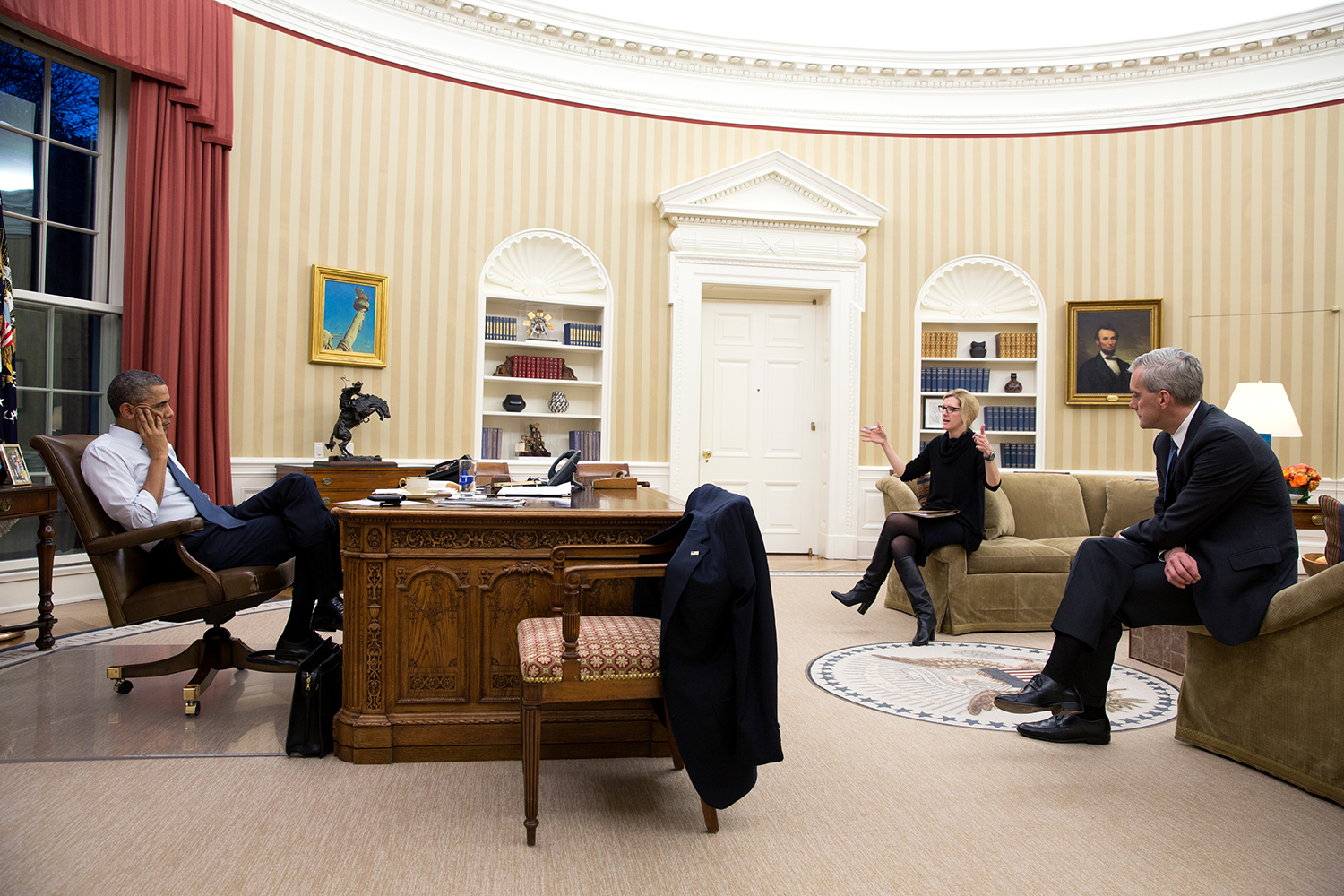
The former Obama White House counsel and Goldman Sachs lawyer is under fresh scrutiny as Congress digs into Epstein’s circle of powerful contacts.
Lawmakers are questioning Kathryn Ruemmler’s testimony about her ties to Jeffrey Epstein after a tense appearance before the House Oversight Committee in Washington on Wednesday, July 15, 2026. Congress is scrutinizing Ruemmler over her Epstein connections, and lawmakers cast doubt on Kathryn Ruemmler’s testimony after she said Epstein had “used” her and other prominent people to legitimize himself.
The fight matters because Ruemmler was not a minor figure in Epstein’s orbit. She is a former White House counsel to President Barack Obama and a former top lawyer at Goldman Sachs, and her Capitol Hill questioning is part of a broader congressional push to map how Epstein maintained access to powerful people years after his 2008 sex-crimes conviction.
Ruemmler’s account drew quick skepticism
Ruemmler told the committee that dealing with Epstein was a mistake, according to the Associated Press. She also said she never witnessed criminal activity and argued that Epstein used her reputation, along with the reputations of other prominent people, to improve his public standing.
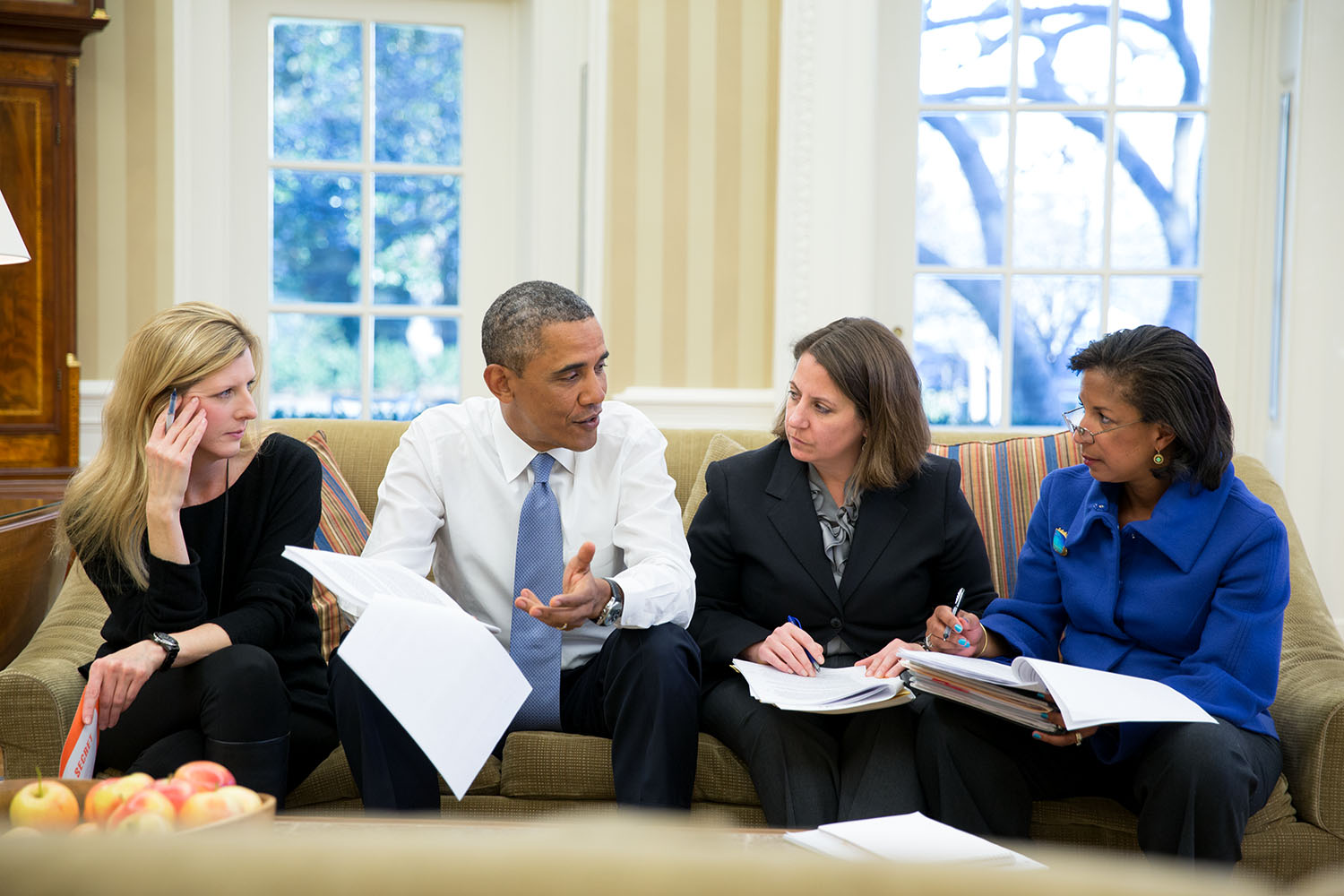
That explanation did not satisfy several lawmakers who emerged from the interview. Rep. Robert Garcia of California, the top Democrat on the House Oversight Committee, told reporters it was difficult to see how Ruemmler was being “completely truthful” in her answers.
Garcia pointed to what he described as a mismatch between Ruemmler’s current framing and the documentary record lawmakers have reviewed. His criticism was blunt: if Ruemmler was trying to deny that there was a real relationship with Epstein, he said, “I just don’t buy it.”
One procedural detail added to the unease. Garcia said it was “very problematic” that Ruemmler was not under oath, a comment that signaled lawmakers may view the session as politically significant even if it was not a courtroom-style proceeding.
The emails are the pressure point
The sharpest questions appear to center on communications between Ruemmler and Epstein in the final years of his life. Lawmakers have focused on affectionate messages, social plans and gifts that, in their view, complicate any effort to describe the relationship as limited or purely professional.
Documents released by the Justice Department showed Ruemmler and Epstein had an extensive relationship, according to AP. Those files reportedly included personal emails and exchanges that went beyond formal legal work.
Among the details now drawing scrutiny: Ruemmler referred to Epstein as “Uncle Jeffrey” in emails and said she adored him. Those words are politically potent because they undercut a narrow version of the relationship and raise a harder question for lawmakers: was Ruemmler merely another person Epstein cultivated, or did she help soften his reputation after he was already a registered sex offender?
Ruemmler’s defenders, or those inclined to accept her explanation, may see the emails as embarrassing but not proof of wrongdoing. Her critics see them as evidence that Epstein’s access to elite institutions did not happen by accident.
Why Epstein’s 2008 conviction matters
Epstein’s 2008 conviction is central to the committee’s interest because it predates Ruemmler’s relationship with him. After that case, Epstein became a registered sex offender. Lawmakers are now examining how, despite that history, he continued to move among wealthy, influential and politically connected people.
Ruemmler said she first met Epstein in 2014 in connection with possible work involving him and Microsoft co-founder Bill Gates to set up a large donor-advised fund, according to AP’s account of her remarks. She said she soon learned about Epstein’s 2008 conviction.
Her explanation for continuing contact was that Epstein expressed remorse and told her he did not know the women were underage. Ruemmler also said she relied on the outcome reached by federal and state prosecutors and approved by a judge as a final resolution of his criminal conduct.
That reasoning is likely to remain one of the most contested parts of her testimony. To lawmakers, Epstein’s conviction was not just a legal footnote; it was the reason any post-2008 effort to boost his image deserves scrutiny.
Comer sees an image-rehab question
House Oversight Chair James Comer framed the issue in reputational terms. He told reporters the “most concerning” aspect of Ruemmler’s communications was how she “tried to rehabilitate his image” after his conviction for solicitation of a minor.
That phrase captures the committee’s broader theory of the Epstein inquiry. The investigation is not only about who knew Epstein. It is about whether his network helped him regain influence, deflect scrutiny or preserve access to elite circles.
Ruemmler’s résumé makes that question more sensitive. She served as White House counsel from 2011 to 2014 and was at one point considered for attorney general. She later spent six years as Goldman Sachs’ general counsel before announcing in February that she would step down amid backlash over her Epstein correspondence.
AP reported that although Ruemmler said she would step down on June 30, she remains employed by Goldman Sachs. That detail keeps the story alive beyond Capitol Hill because it ties the congressional probe to questions facing one of Wall Street’s most powerful firms.
The inquiry is bigger than one witness
Ruemmler is not the only high-profile figure drawn into the House Oversight Committee’s Epstein investigation. Comer said Wednesday that she was the 18th person to testify as part of the broader inquiry.
The committee has already heard from more than a dozen prominent witnesses, according to AP, including Bill Gates and former President Bill Clinton. The stated goal is to understand how Epstein’s wealth, connections and influence may have helped protect him from scrutiny.
The investigation is also moving toward other major names. Billionaire investor Leon Black was subpoenaed last month after lawmakers said he declined to answer some questions about his yearslong relationship with Epstein. Comer said Black is expected to appear for a formal deposition on Sept. 3.
Comer also said he expects to have Black’s nondisclosure agreements by the end of the week, a potentially important piece of the committee’s effort to understand whether private legal arrangements limited what people could say about Epstein-related matters.
What remains unresolved
The Ruemmler testimony leaves several questions unanswered. Lawmakers have signaled they do not believe her account fully matches the communications they have seen, but skepticism from committee members is not the same thing as a formal finding.
It also remains unclear how much of the underlying record will become public, whether Ruemmler will be asked to return under different conditions, and whether the committee will seek additional documents from Goldman Sachs or other institutions connected to Epstein’s network.
The committee has expressed interest in questioning acting Attorney General Todd Blanche, whose nomination to permanently lead the Justice Department is pending before the Senate. Former Attorney General Pam Bondi identified Blanche as the department’s point person on the release of Epstein documents, a process that has drawn criticism from both parties.
For now, the immediate takeaway is that Ruemmler’s explanation has not closed the matter. By saying Epstein used her, she presented herself as one more respected person pulled into his orbit. By pointing to affectionate emails and the timing after Epstein’s conviction, lawmakers are arguing the story may be more complicated than that.




Leave a Reply