
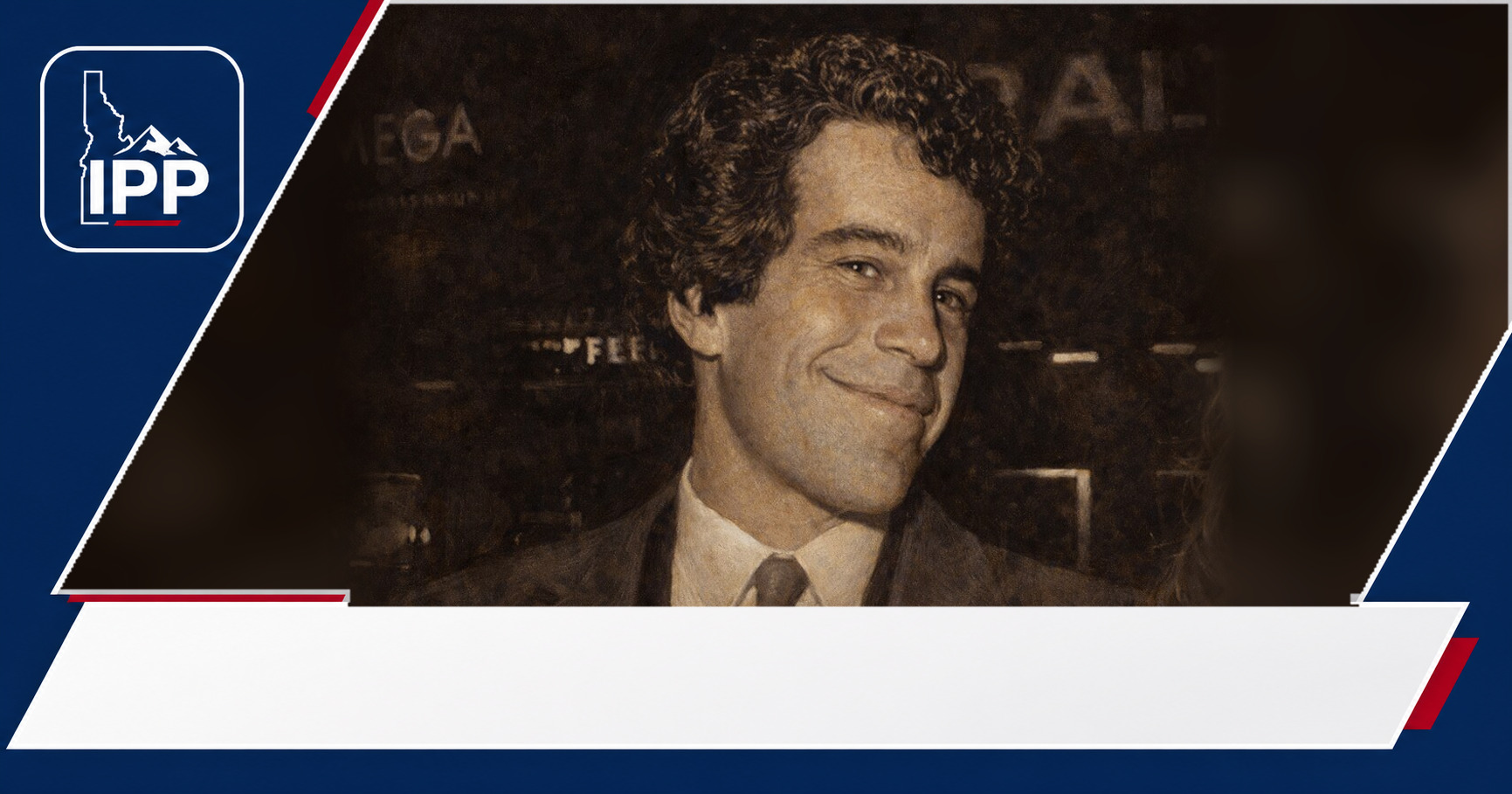
The report puts Wall Street’s compliance systems back under scrutiny, arguing that delayed reporting helped Epstein move money for years. The banks dispute or qualify parts of the criticism, and the next question is whether prosecutors act.
A Democratic senator’s report alleges that major banks enabled Jeffrey Epstein’s crimes: Senate Finance Committee findings released Tuesday by Sen. Ron Wyden say JPMorgan Chase, Bank of America and Deutsche Bank provided financial services, overlooked red flags and failed to report suspicious transactions tied to Epstein until after his 2019 sex-trafficking arrest. These major banks, the report asserts, processed activity involving $250 million, $170 million, more than a dozen bankers and Russia-linked transactions; the report details suspicious financial activity and reporting failures.
Senate Democrats are using the findings to argue that Epstein’s abuse network was not just a law-enforcement failure. It was also, in their view, a banking oversight failure hiding in plain sight.
The accusation is about timing
The core claim is not that the banks were charged with Epstein’s crimes. It is that they allegedly kept serving him, or failed to alert authorities quickly enough, despite warning signs that should have triggered scrutiny under federal anti-money-laundering rules.

Under the Bank Secrecy Act, financial institutions are expected to file suspicious activity reports when they suspect a customer may be moving money for illegal purposes. Those reports go to the Treasury Department’s Financial Crimes Enforcement Network and can help investigators follow money trails before harm spreads.
The Senate Finance Committee Democratic staff report says the banks had information years earlier that should have prompted faster reporting. According to NPR’s account of the report, the review drew on Treasury reports, internal bank records and legal filings.
That makes the timing central. If suspicious activity was visible years before Epstein’s 2019 arrest, the report argues, the banks’ delays may have allowed money to keep flowing to victims, associates and collaborators around the world.
Three banks are named
The report identifies JPMorgan Chase, Bank of America and Deutsche Bank as institutions where employees allegedly encountered suspicious Epstein-linked activity. It says more than a dozen bankers were aware of concerns as far back as 2002.
- JPMorgan Chase: The report says the bank ended its Epstein relationship in 2013 because of human-trafficking concerns, but did not report suspicious transactions to the government until six years later, after Epstein’s 2019 arrest.
- Deutsche Bank: The bank said it regrets its historical connection to Epstein and has cooperated with regulators and law enforcement, according to a statement reported by NPR. It also said it has strengthened its control environment.
- Bank of America: The bank denied wrongdoing, saying it takes legal and regulatory obligations seriously and did not facilitate wrongdoing, according to NPR.
JPMorgan Chase did not respond to NPR’s request for comment on the report. The bank has previously faced legal and regulatory fallout over its Epstein relationship, including settlements tied to claims about its handling of his accounts.
The money trail is the evidence
The report points to thousands of transactions across nearly two decades, totaling more than $1 billion, according to NPR. The Senate findings also highlight specific transaction streams and examples involving large sums, including $250 million and $170 million, as well as activity connected to Russia.
Those figures matter because financial crime cases often turn less on one dramatic transfer than on repeated patterns: cash withdrawals, wires, payments to individuals, offshore movement, unusual counterparties or activity that does not match a customer’s stated purpose.
The report’s argument is that Epstein’s banking activity produced enough warning signs that institutions should have escalated concerns sooner. The committee frames those red flags as evidence that the banks’ compliance systems either failed or were not used aggressively enough.
There is an important distinction. A suspicious activity report is not a finding that a transaction was criminal. It is a warning mechanism. The Senate Democrats’ criticism is that the warning mechanism allegedly came too late.
Why bank reporting matters
Epstein’s case has long raised questions about how wealth, status and institutional access helped shield him. The banking angle adds another layer: even when abuse is carried out by individuals, financial systems can make it easier to pay, move and conceal money.
Banks occupy a gatekeeping role because they see patterns that law enforcement may not. A single wire transfer can look ordinary. A long sequence of payments to young women, recruiters or foreign-linked entities may look very different when viewed across years of account history.
That is why delayed reporting is more than paperwork. If a bank files concerns only after a public arrest, investigators lose the chance to intervene earlier, preserve records sooner or connect financial activity to possible victims while crimes are still unfolding.
The Senate report’s language is pointed: it argues that Epstein’s crimes were visible through the financial system. The banks, by contrast, are likely to emphasize that compliance decisions are made under legal standards, often with incomplete information and without the hindsight now available to investigators.
Democrats want prosecutors involved
Senate Democrats are calling for the Justice Department to examine why suspicious activity reports were not filed earlier. They also want stronger reporting requirements to prevent another wealthy abuser from exploiting financial institutions in similar ways.
That demand is politically loaded. The report comes from Democrats on the Senate Finance Committee, not from a bipartisan committee finding or a criminal indictment. Banks named in the report can argue that the committee is drawing broad conclusions from complex compliance records.
Still, the report creates pressure. If federal prosecutors agree that delayed reporting was not merely poor judgment but a legal failure, the banks could face renewed scrutiny. If prosecutors do not act, Democrats may use the findings to push legislative or regulatory changes.
The unanswered question is who, if anyone, should be held responsible inside the institutions. The report names banks and describes bankers’ awareness, but accountability in large financial firms often depends on proving who knew what, when they knew it and what authority they had to act.
The takeaway for Wall Street
The report’s broader message is that anti-money-laundering compliance cannot be treated as a back-office formality. In cases involving possible trafficking, exploitation or coercion, financial records can be one of the earliest warning systems available.
For readers, the stakes are straightforward: the Epstein scandal is no longer only about the people who abused power directly. It is also about the institutions that handled the money and whether they acted when the warning signs appeared.
The banks named in the report have not all responded the same way. Deutsche Bank points to cooperation and reforms. Bank of America denies facilitating wrongdoing. JPMorgan’s past relationship with Epstein remains one of the most scrutinized pieces of the record.
What remains unclear is whether the Senate report will lead to enforcement, legislation or another round of public outrage without institutional consequences. The findings sharpen one hard question: when a bank sees signs of exploitation in a wealthy client’s accounts, how fast is fast enough?









Leave a Reply