
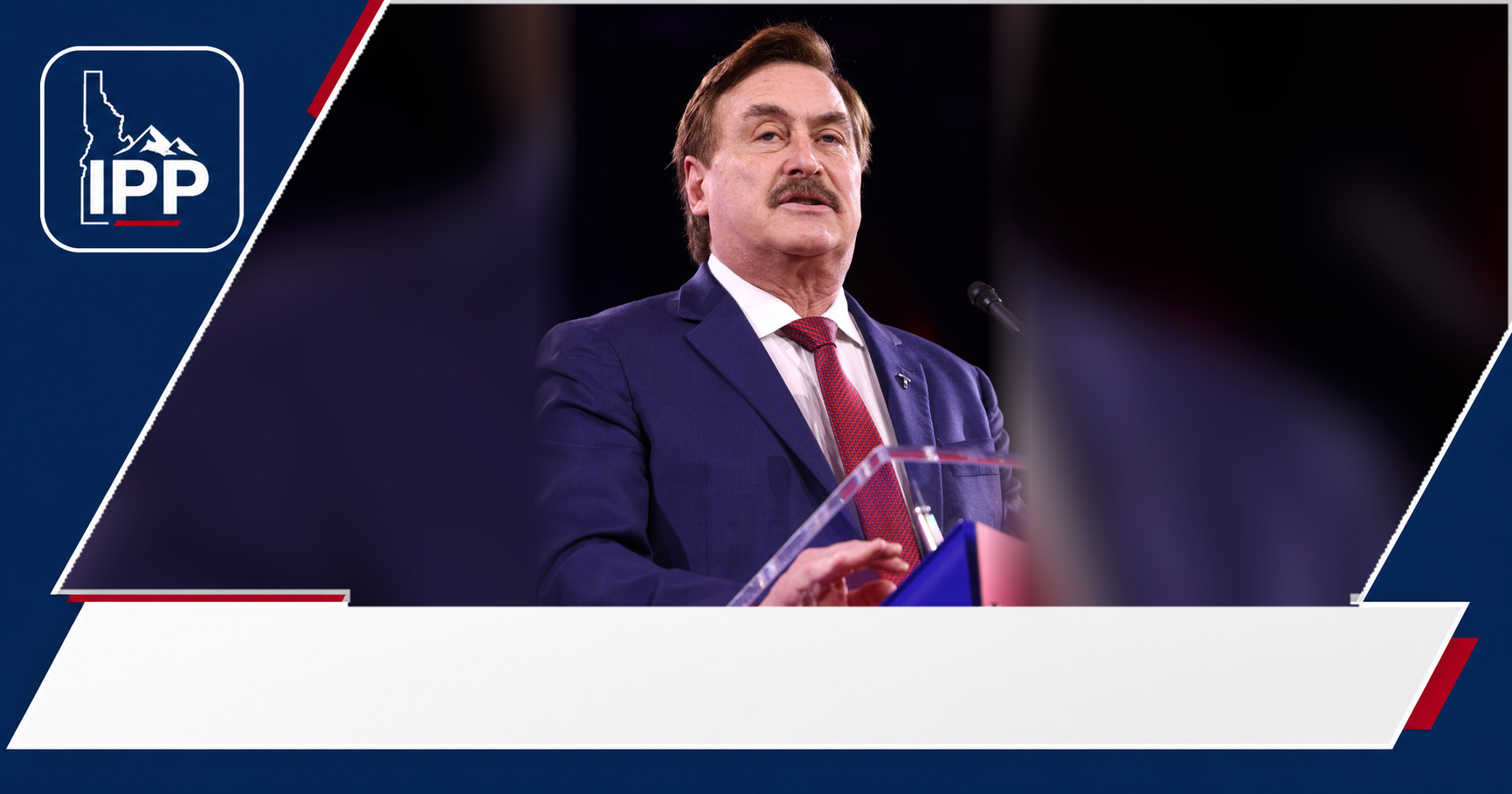
The dispute turns on a simple question with real campaign-law consequences: were the pillows cheap promotional swag or something of value offered to voters? The probable-cause finding keeps the complaint alive, but it is not a final ruling against Lindell.
A judge found probable cause that Mike Lindell’s pillow handouts violated campaign law. The article explains the campaign finance complaint against Mike Lindell: the MyPillow CEO and Republican candidate for Minnesota governor is accused of handing out pillows in “Mike Lindell for Governor” packaging at July Fourth parade events, a giveaway challengers say crossed state rules on giving voters items of value.
The ruling gives the complaint a new legal foothold at a sensitive point in the campaign calendar. It does not mean Lindell has been found liable, but it means a judge saw enough basis for the case to move forward rather than be dismissed at the threshold.
The complaint now has traction
The case centers on a campaign finance complaint filed July 22 and later reviewed in Minnesota’s administrative process. According to the complaint described by CBS Minnesota and reflected in state Office of Administrative Hearings records, Lindell and others connected to his campaign allegedly distributed pillows to spectators during a parade in Delano, Minnesota.

The packaging, according to the complaint, carried the message “Mike Lindell for Governor.” That detail matters because the pillows were not described as ordinary parade candy or a generic promotional flyer. They allegedly linked a physical item with monetary value to a candidate’s campaign message.
The judge’s probable-cause finding is the key development. In plain English, it means the complaint has cleared an early legal screen. The judge is not announcing a final verdict; the finding says there is enough evidence and legal theory to justify further proceedings.
That distinction is important for readers who see the phrase “violated campaign law” and assume the case is over. It is not. The finding raises the stakes, but Lindell still has the opportunity to defend the giveaway and contest the valuation, intent and legal interpretation behind the complaint.
The pillow value dispute
The sharpest disagreement is not whether pillows were handed out. It is what those pillows were worth and whether their value put them outside what Minnesota law allows as campaign giveaways.
The complaint alleged the pillows were worth about $35. Lindell told WCCO that figure was wrong. He said the items were “roll and go” pillows valued at $4.90, which he argued put them below a $5 carve-out for allowable campaign giveaways.
That difference is not a technical footnote. If the pillows were closer to the complainant’s estimate, they look less like cheap campaign trinkets and more like a meaningful item of value. If Lindell’s estimate is accepted, his campaign can argue the handouts fit within a small-item exception and were not unlawful inducements.
The factual questions likely to matter include:
- What exact pillow model was handed out at the parade events.
- How the value should be calculated: retail price, campaign cost, wholesale cost or another measure.
- Whether the packaging and distribution tied the item directly to a request for electoral support.
- Whether the giveaway was aimed at inducing voters or was ordinary campaign promotion.
Why Minnesota treats gifts carefully
Minnesota’s Fair Campaign Practices law is designed to keep campaigns from giving or promising things of value to influence how people vote. The rule reflects a basic anti-corruption principle: elections should be won with persuasion, not gifts.
Campaigns routinely distribute low-cost items. Stickers, buttons, literature, pens and parade candy are familiar parts of retail politics. The law does not treat every giveaway as a bribe or violation. The hard cases arise when a campaign item has enough value that it could reasonably be seen as more than symbolic support.
That is why this pillow dispute has drawn attention beyond the novelty factor. Lindell is not just any candidate handing out branded merch; he is the founder of MyPillow, and pillows are central to his public brand. A pillow with campaign messaging sits at the intersection of his business identity and his political campaign.
The complaint’s theory is straightforward: a campaign-branded pillow has monetary value, and handing it to parade spectators could run afoul of limits on giving valuable items to potential voters. Lindell’s response is equally direct: the item was inexpensive, vetted and lawful.
Lindell’s defense is already public
Lindell has rejected the allegation. In comments reported by WCCO, he said the complaint was wrong and described it as a “set-up hit job.” He said his team did its due diligence, consulted on the rules and believed the campaign had complied with the law.
His defense appears to rest on two main arguments. First, he disputes the value assigned to the pillows. Second, he says the campaign acted after checking the rules, which could matter if the proceeding examines intent or good-faith compliance.
Those arguments do not erase the probable-cause finding, but they frame the fight ahead. The judge’s early decision means the complaint is plausible enough to continue. Lindell’s position is that once the facts are sorted out, the giveaway will be seen as lawful campaign activity.
The politics add another layer. CBS Minnesota reported that Lindell was already a leading Republican candidate in polling and had received an endorsement from President Donald Trump. A campaign-law complaint, even one that remains unresolved, can become part of the closing argument voters hear about a candidate’s judgment and operation.
What the ruling does not decide
The probable-cause finding should not be confused with a final penalty, a criminal conviction or a definitive ruling that Lindell bought votes. Campaign finance enforcement often moves through stages, and early findings are designed to decide whether a complaint deserves further review.
Several issues remain unresolved. The public record described so far does not settle the final value of the pillows. It does not establish how many were distributed, whether all recipients were eligible voters or whether anyone’s vote was actually affected.
The legal question is also narrower than the online debate may make it sound. The issue is not whether campaigns can ever hand out branded items. They can and often do. The question is whether this particular item, under these particular facts, crossed Minnesota’s line for giving something of value in connection with an election.
There is also a fairness concern on both sides. Strict enforcement can prevent campaigns from using valuable gifts to curry favor. Overbroad enforcement could chill ordinary retail politicking, especially at parades and public events where small giveaways are expected.
What happens next
The next phase will likely focus on evidence rather than slogans. Receipts, invoices, product descriptions, photos, testimony and campaign communications could all matter. The more precise the record becomes, the less the case will turn on whether the word “pillow” sounds expensive or harmless.
If the campaign proves the pillows were low-value promotional items that fit within Minnesota’s allowance, Lindell could gain a clean answer before the complaint causes more political damage. If the complainant proves the pillows were worth substantially more and were distributed as campaign inducements, the case could lead to sanctions or other administrative consequences.
For now, the safest read is this: the judge’s finding is a meaningful legal setback for Lindell, but not the end of the case. It keeps the complaint alive and puts the campaign’s unusual giveaway under formal scrutiny.
The broader takeaway is that campaign swag is not legally invisible just because it is festive, branded or handed out at a parade. In a close race, even a pillow can become a campaign-law problem if regulators believe it offered voters more than a message.





Leave a Reply