
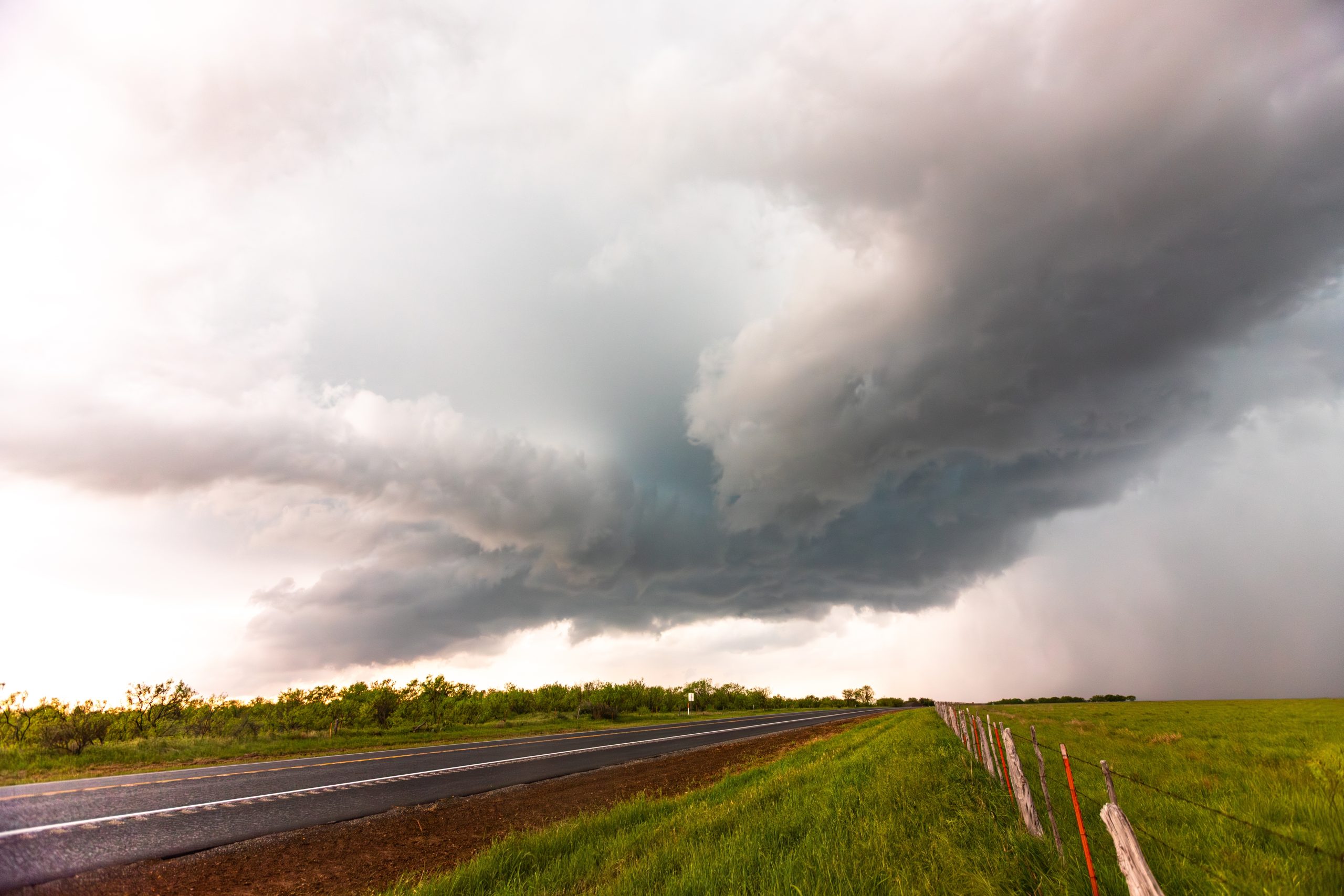
Gov. Tony Evers declared a state of emergency after the tornado damaged Appleton, Menasha and Neenah. Officials reported dozens of injuries, with no deaths reported as searches continued.
Recovery work in northeastern Wisconsin moved into a dangerous cleanup phase Tuesday after a daylight EF3 tornado damaged the Fox Cities, cut power to thousands and left emergency crews checking buildings for anyone who might still need help.
More than 10,000 customers in Winnebago and Outagamie counties remained without power Tuesday, according to utilities serving the area. State officials said Gov. Tony Evers declared a state of emergency for the affected areas, and shelters opened for displaced residents.
Power crews faced a tangled repair job
The outage problem was not just a matter of reconnecting lines. Appleton Mayor Jake Woodford said some neighborhoods were truly devastated, and repair crews had to work around electrical lines mixed with broken trees.
Officials warned that full restoration could take several days. Downed wires, blocked streets and unstable trees can slow utility work while also making familiar blocks hazardous for residents trying to return.
The loss of power added another layer to the recovery. Families dealing with damaged homes also had to think about food, phones, medical equipment, sump pumps, generators, shelters and help from neighbors while crews worked through the grid.
Search teams kept checking damaged buildings
First responders searched homes and buildings Tuesday for possible victims, including door-to-door checks after the tornado struck Monday. Officials were still assessing the toll while crews moved through damaged neighborhoods.
Authorities reported dozens of injuries, but no deaths had been reported in the immediate aftermath, according to the Associated Press. ThedaCare Regional Medical Centers in Appleton and Neenah said it treated 40 people, mostly for minor storm-related injuries. Ascension St. Elizabeth Hospital in Appleton saw about 30 patients, all with minor injuries.
The continued searches did not mean a worse toll had been confirmed. They reflected the uncertainty that follows a tornado capable of tearing into homes, blocking access and leaving people unable to communicate.
The weather service rated it an EF3
The National Weather Service said the tornado touched down around 1 p.m. Monday and stayed on the ground for more than 20 minutes. Its path ran roughly 12 miles, or 19.3 kilometers, through parts of Outagamie and Winnebago counties, about 100 miles northwest of Milwaukee.
The weather service classified the storm as an EF3 tornado. It also said this was the strongest tornado to strike both Outagamie and Winnebago counties since an EF4 touched down in April 1984.
The Fox Cities region, including Appleton, Menasha and Neenah, is home to more than 100,000 people. Across that populated area, officials and residents described damaged homes, peeled-away roofs, flipped cars, toppled trees and power lines brought down across streets and yards.
Winnebago County Executive Gordon Hintz said officials were still assessing the damage and described the tornado’s impact as incredible and devastating.
Daylight and warnings may have mattered
Local officials pointed to the storm’s timing as one possible reason the outcome was not worse. The tornado arrived in the early afternoon, after warnings had been issued and when many people were awake or away from home.
Menasha Police Chief Matt Albrecht said many residents were at work in the middle of the day rather than inside their houses. That mattered because some of the damage involved roofs, upper floors and bedrooms.
David Chew, 55, told the AP that a tree smashed through his roof in Menasha after he rushed to the basement with his wife and son. He also said an outdoor patio lounger had not been found after the storm. A neighbor, he said, lost part of her roof, with furniture and drywall pulled from the home.
Rachel Bernhardt, 56, said she grabbed her dog and ran to the basement in Fox Crossing after seeing a steel swing spinning in the yard. Afterward, glass covered her second-floor bedroom, a tree branch was on her bed and the carpet was soaked.
Local businesses turned into relief points
The tornado damaged places that residents knew as neighborhood fixtures. At Manderfield’s Home Bakery in Menasha, the brick frame around the door still stood, but much of the structure was gone.
Owner Jerry Manderfield told WISN-TV that the building could be replaced and that people inside could have died. His reaction reflected the mix many residents faced Tuesday: relief over lives spared and shock over familiar places torn open.
In Menasha, Luigi’s Pizza set up a food trailer to distribute hygiene packs and free slices after donors contributed enough to make at least 125 pizzas. Duncan’s Window and Door contributed toward 50 of them, saying a hot meal and a reminder of community care could matter more than words.
Those efforts could not restore power or rebuild homes, but they helped cover immediate needs in the first days after the storm: food, supplies and a visible place to find help.
Heat, humidity and the next questions
The weather service said the tornado came from a large storm system that moved through the Great Lakes, fueled by a buildup of heat and humidity. Chad Merrill, a senior meteorologist at AccuWeather, said significant summer heat has been leading to significant severe weather and said people need to take warnings seriously.
That does not mean every hot, humid day produces a tornado, or that one storm explains an entire season. It does place the Wisconsin tornado within a broader summer severe-weather risk for communities that may not expect violent tornado damage.
The immediate questions are practical ones: how many homes are uninhabitable, when power will be fully restored, whether searches find anyone else who needs help, and what final damage assessments show.
For now, the confirmed picture is severe enough: an EF3 tornado stayed on the ground for more than 20 minutes, crossed a roughly 12-mile path through a populated Wisconsin region, injured dozens of people and left crews balancing search, safety and recovery work.











Leave a Reply