

The money had been stalled for months as Robert F. Kennedy Jr. pressed concerns over vaccines. The release matters for global immunization programs and for how the Trump administration handles vaccine policy across agencies.
The State Department will release $600 million in delayed vaccine funding for Gavi, Sen. Susan Collins said in Washington, D.C., after Robert F. Kennedy Jr. had held up the money for months. The U.S. government’s 2025 and 2026 funds will now be disbursed before they expire Sept. 30, affecting a global vaccine alliance that says it has reached 1.2 billion children, supports vaccines against 20 diseases and works in more than 50 low-income countries globally. That is why the decision matters now. In practical terms, it is the “600M for vaccines” fight reaching a deadline.
The announcement turns a bureaucratic delay into a revealing policy moment. Congress had already appropriated the money, Gavi was waiting for it, and the dispute showed how Kennedy’s vaccine views could influence U.S. global health spending even when another department controlled the funds.
Collins puts the release on record
Collins, the Maine Republican who chairs the Senate Appropriations Committee, said the State Department would dispense the $600 million for Gavi after months of delay. Her statement is significant because appropriators in both parties had been pressing the administration to release the money rather than let it sit until the fiscal clock ran out.
Collins has framed the funding as a matter of both humanitarian policy and U.S. self-interest. She said Gavi “plays a critical role in averting the spread of preventable diseases globally and stopping outbreaks before they reach U.S. borders.”
The State Department did not immediately respond to a request for comment, according to Politico. That leaves some practical questions unanswered, including the timing of the transfer and whether any conditions or assurances were attached.
Still, Collins’s announcement is the clearest public signal yet that the delayed money is moving. For Gavi, that matters because the $600 million is not open-ended; it expires Sept. 30 if not released.
Why the money stalled
The funding was appropriated for the 2025 and 2026 fiscal years for Gavi, the global vaccine alliance the U.S. helped co-found roughly a quarter century ago. Ordinarily, the State Department handles the U.S. contribution to the group as part of foreign assistance and global health policy.
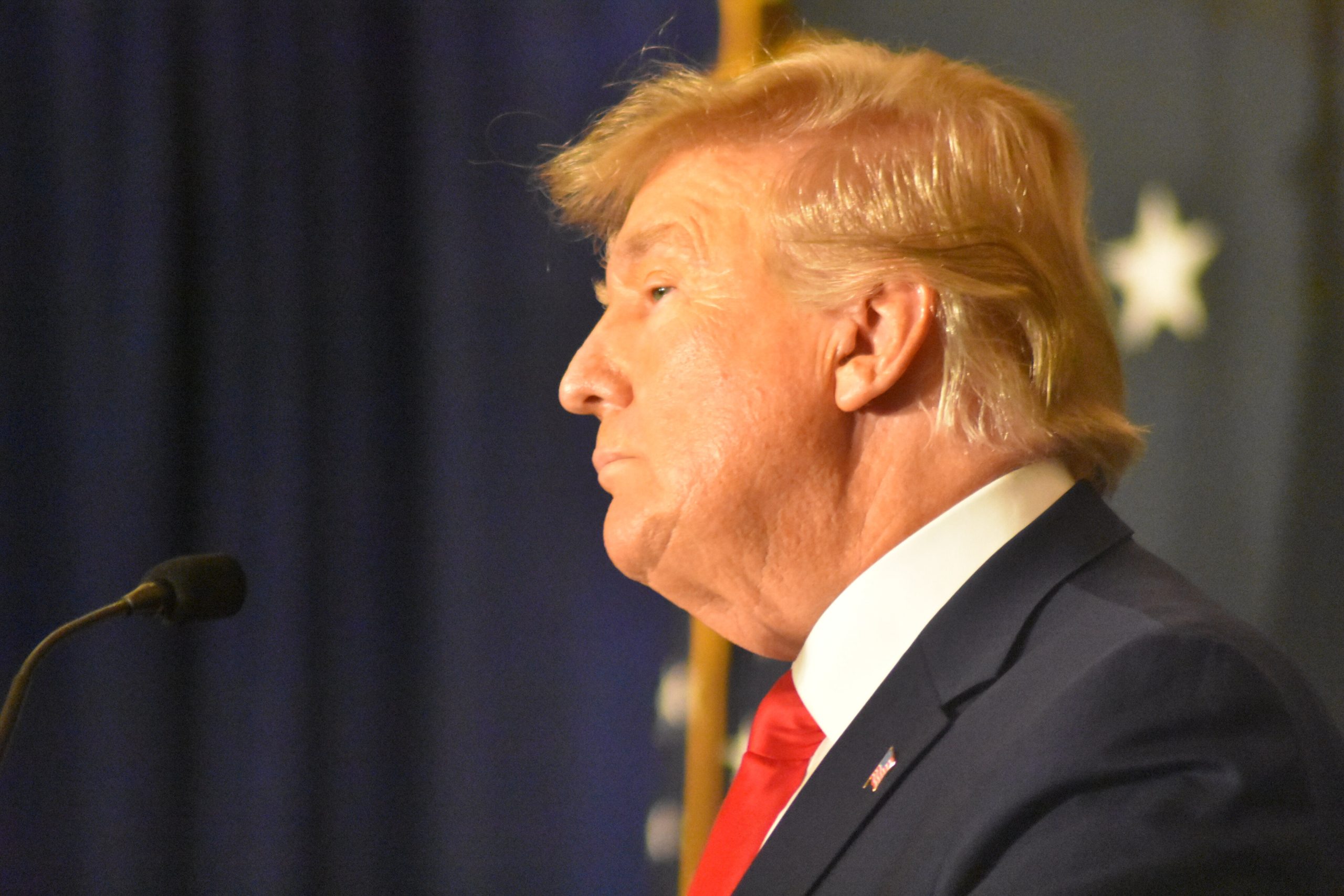
This time, the funding became entangled with Kennedy, the Health secretary and a longtime vaccine safety skeptic. Secretary of State Marco Rubio told the Senate Foreign Relations Committee last month that President Donald Trump asked him to allow Kennedy to get involved in funding decisions concerning Gavi.
That detail is the political core of the story. The State Department controlled the money, but Kennedy’s influence over vaccine-related decisions appears to have extended into a foreign aid account.
Rubio also told senators he would reengage to get the funding moving. Collins’s update suggests that pressure from Capitol Hill, including from senior Republicans, helped push the administration toward release before the deadline.
The Sept. 30 deadline changed leverage
The expiration date gave the dispute a hard edge. If the money were not disbursed by Sept. 30, the $600 million could lapse rather than reach the immunization programs Congress intended to support.
That is why the timing matters as much as the dollar amount. A delayed grant can still be used if it moves in time; an expired appropriation can become a policy loss by default.
For lawmakers who oversee spending, that is a red flag. Congress does not just approve broad priorities; it writes deadlines, amounts and intended recipients into law. When an agency holds back appropriated funds, it can trigger a fight over whether the executive branch is carrying out Congress’s instructions.
The release, if completed, may ease the immediate standoff. It does not erase the months of uncertainty for Gavi or the broader question of how vaccine policy objections could affect already-approved global health spending.
Why Gavi became the flashpoint
Gavi is not a small charity on the edge of U.S. foreign policy. It is a major global immunization partnership that works with governments, health agencies and donors to expand vaccine access in low-income countries.
The alliance says it has vaccinated more than 1.2 billion children in the world’s poorest countries and helped prevent more than 20.6 million potential deaths. Its programs include vaccines for 20 diseases, including measles, malaria and polio, across more than 50 low-income countries.
Supporters argue that the U.S. contribution helps prevent outbreaks abroad before they become more costly and dangerous. That argument has long appealed to both public health experts and national security-minded lawmakers: disease containment overseas can reduce risk at home.
The opposing pressure comes from Kennedy’s skepticism toward some vaccine practices and ingredients. Gavi denies that it uses outdated or dangerous shots, and mainstream vaccine experts say the shots are safe. But the organization has still offered to speed a shift toward shots that do not contain an ingredient Kennedy believes is unsafe, according to prior reporting on the talks.
Capitol Hill pressure was bipartisan
Collins did not act alone. In May, she led a letter with Sen. Patty Murray, the top Democrat on the Appropriations Committee, and other senators including Mitch McConnell, Brian Schatz, Lisa Murkowski and Jeanne Shaheen urging the State Department to resume U.S. contributions to Gavi.
That coalition matters because it cuts across the usual partisan lanes. Global vaccine funding can be politically vulnerable, especially in an era of skepticism toward foreign aid and public health institutions. But this fight drew support from senior Republicans and Democrats who viewed the money as already settled by the appropriations process.
Collins also questioned Rubio at a June 3 hearing on the State Department’s 2027 budget request, pressing him to release the $600 million. The public questioning put the issue into a formal oversight setting rather than leaving it as an internal administration dispute.
Shaheen, a New Hampshire Democrat, also played a role in talks involving Gavi’s proposed adjustments, according to reporting cited in the source material. That suggests lawmakers were not only demanding release of funds; some were also trying to find a path through Kennedy’s objections.
What remains unresolved
The immediate outcome appears clear: Collins says the State Department will disburse the delayed $600 million. The larger fight is not finished.
One unanswered question is how much influence Kennedy will continue to have over vaccine-related funding outside the Department of Health and Human Services. If his involvement becomes a model, foreign aid programs tied to immunization could face new layers of political review even after Congress funds them.
Another question is whether Gavi’s willingness to adjust some vaccine sourcing will satisfy Kennedy or invite more demands. Public health groups may see compromise as pragmatic if it unlocks lifesaving funds. Critics may worry that changing policy to appease unsupported safety concerns could validate doubts that vaccine experts reject.
For now, the practical takeaway is narrower and urgent: a $600 million U.S. contribution for Gavi is expected to move before it expires. The dispute shows how a deadline, congressional pressure and global health stakes converged to shake loose money that had already been approved.






Leave a Reply