
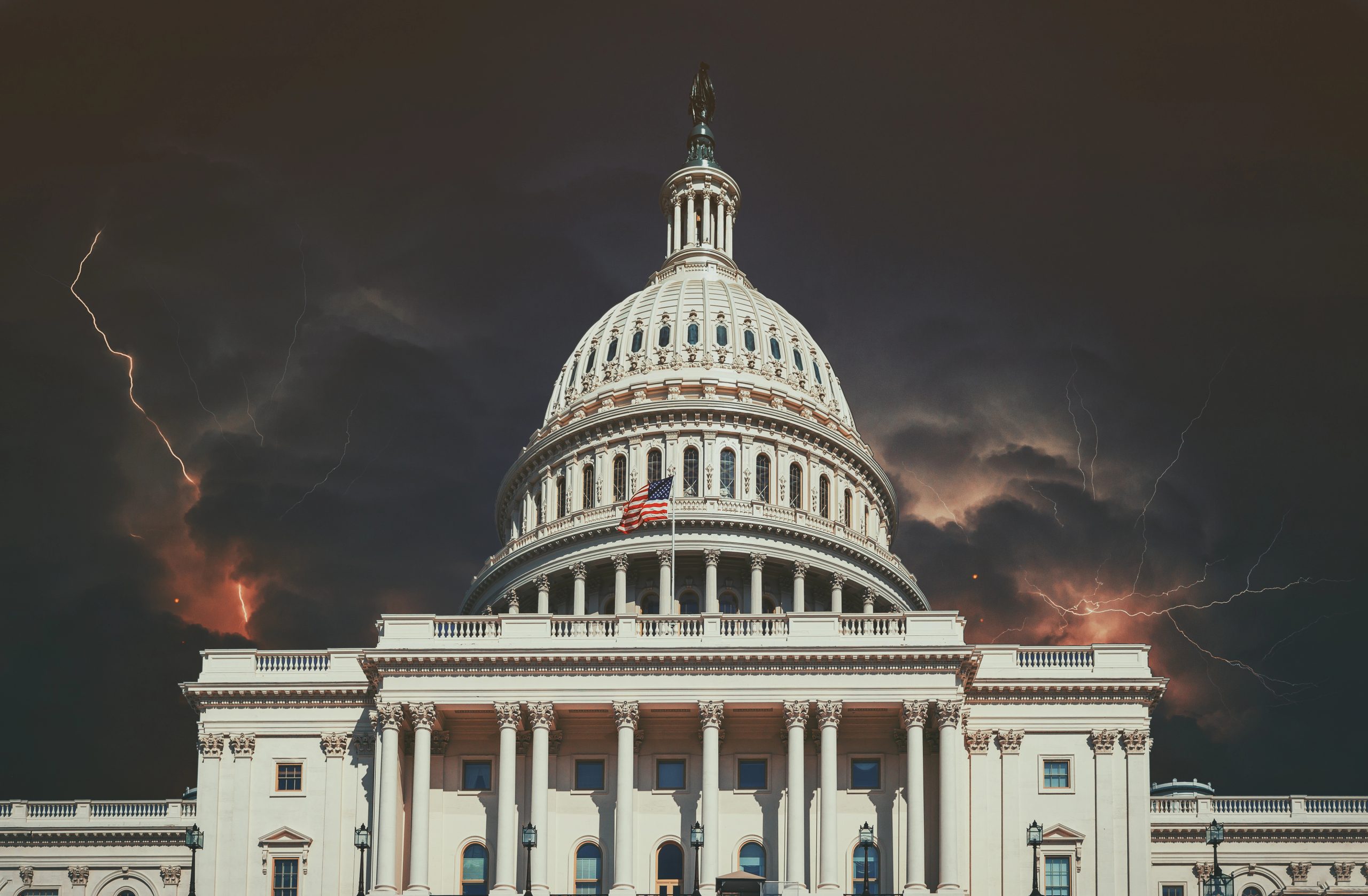
The latest federal push lands as college sports tries to move from courtroom chaos to a national rulebook. The fight is really about who gets to write that rulebook.
The revised Protect College Sports Act is being circulated in 2026, and the bill puts pressure on the Big Ten and SEC at a volatile moment for college sports and student athletes. Coverage from Politico and Sports Illustrated points to a Capitol Hill push for federal protections and rules that could define how college athletics handles athlete compensation, conference power and national governance.
The core question is no longer whether Congress will notice college sports. It is whether the richest leagues can shape the fix before the fix shapes them.
A federal fix with strings
The appeal of a federal college sports bill is easy to understand. Schools, conferences and the NCAA have spent years operating under a shifting mix of state NIL laws, court rulings, settlement terms and internal rules that keep changing faster than many athletic departments can budget for them.
The Protect College Sports Act is part of that wider effort to create a national framework. The reported revised version comes as major conferences are asking for clarity on athlete compensation, recruiting rules, transfer enforcement and the legal exposure that comes with running a multibillion-dollar enterprise built around college athletes.
But federal clarity rarely arrives free of conditions. If Congress grants the industry some version of legal protection or national uniformity, lawmakers can also demand concessions: athlete benefits, transparency, medical safeguards, competitive-balance rules or limits on how much control the biggest conferences can consolidate.
That is where the Big Ten and SEC come in. They have the most money, the most television leverage and the clearest incentive to make sure any national law preserves their advantage.
Why the Power Two matters
The Big Ten and SEC are not just two conferences among many. They have become the gravitational center of major college football after realignment pulled brands such as USC, UCLA, Oregon and Washington into the Big Ten and Texas and Oklahoma into the SEC.
That shift widened the gap between the richest leagues and everyone else. Media rights, postseason access and recruiting resources now increasingly flow through two conference offices. Even when the NCAA remains the formal governing body, the practical power in big-time football often sits with the Big Ten and SEC.
That is why a revised Protect College Sports Act can feel like pressure rather than help. A bill that standardizes NIL rules and shields schools from some litigation could benefit the biggest conferences. A bill that ties those benefits to athlete protections, reporting duties or governance limits could also restrain them.
For smaller conferences, that tension is the point. A national law could become a way to prevent the wealthiest leagues from writing the next era of college sports on their own terms.
What the bill would target
The full legislative text and the final shape of the revised proposal will matter. Still, federal college-sports bills have generally aimed at the same cluster of problems: NIL collectives, state-by-state inconsistency, whether athletes can be treated as employees, and whether NCAA rules can survive antitrust challenges.
For schools, the most valuable piece is usually legal certainty. They want a national standard that overrides the patchwork of state laws and reduces the risk that every new compensation rule will become another lawsuit.
For athletes, the key question is different. Any bill marketed as protection has to be judged by what it actually protects: the athletes’ earning power, health care, scholarships, academic support and freedom to move, or the institutions’ ability to limit those things.
That distinction matters because college sports has already moved into a direct-payment era. The House v. NCAA settlement, approved in 2025, opened the door for schools to share revenue with athletes under a capped system beginning in the 2025-26 academic year. Federal legislation now would not create the compensation debate. It would decide how tightly that new market is controlled.
The Big Ten and SEC calculation
The Big Ten and SEC have reason to want Congress involved. A clear federal rulebook could reduce legal uncertainty, make compliance easier across multiple states and give conferences a stronger footing against lawsuits challenging compensation limits or eligibility rules.
They also have reason to be wary. Once Congress enters the room, the richest conferences lose some ability to settle matters privately with the NCAA, television partners and playoff stakeholders.
The political optics are not ideal for them, either. If the revised Protect College Sports Act is framed as protecting college sports broadly, the Big Ten and SEC risk looking like they are defending only the top tier of football money. That gives lawmakers room to ask why federal relief should primarily benefit the conferences already pulling away from the field.
The pressure, then, is strategic. The Big Ten and SEC can support a bill and try to shape its details, or they can resist pieces of it and risk being cast as the obstacle to a national solution.
Athlete rights remain unresolved
The hardest issue remains the status of the athletes themselves. Schools generally do not want college athletes classified as employees. Athlete advocates have pushed back against proposals that would give the NCAA or conferences legal shields without stronger rights in return.
That divide will not disappear because a bill gets revised. A national NIL standard can sound sensible, but the details determine whether it simplifies the market or narrows athletes’ opportunities. An antitrust safe harbor can sound like stability, but it can also reduce athletes’ leverage if it is too broad.
There are competing interests inside the schools, too. Football and men’s basketball drive the money at major programs, but Olympic sports and non-revenue teams depend on the same athletic department budgets. Lawmakers may use that vulnerability to argue for guardrails that keep broad-based college athletics from being hollowed out by an arms race at the top.
That is one reason the revised bill matters beyond the Big Ten and SEC. It could set the terms for how much of the new revenue era must be shared, reported or protected across entire athletic departments.
What to watch next
The next test is whether the revised Protect College Sports Act gains visible support from the people and institutions with the power to move it. Circulation is not passage. Draft language can change quickly, especially when conferences, the NCAA, athlete advocates and lawmakers all have different definitions of reform.
Watch for three things: whether the Big Ten and SEC publicly embrace the bill, whether athlete groups attack or endorse the protections, and whether lawmakers narrow or expand any legal shield for the NCAA and conferences.
The unresolved details are not small. Who enforces the new rules? How much state law gets preempted? What benefits are guaranteed to athletes? How much freedom do conferences keep to govern themselves? Those questions will decide whether the bill is a compromise or simply another power play.
For now, the revised Protect College Sports Act has done one important thing: it has put the richest conferences on notice. The Big Ten and SEC may still be the strongest forces in college athletics, but a federal bill could force them to negotiate the future in public.








Leave a Reply