
The allegation puts old cargo aircraft, opaque contractors and Sudan's brutal war into the same frame. It also raises harder questions about how military supply chains move through civilian aviation networks.
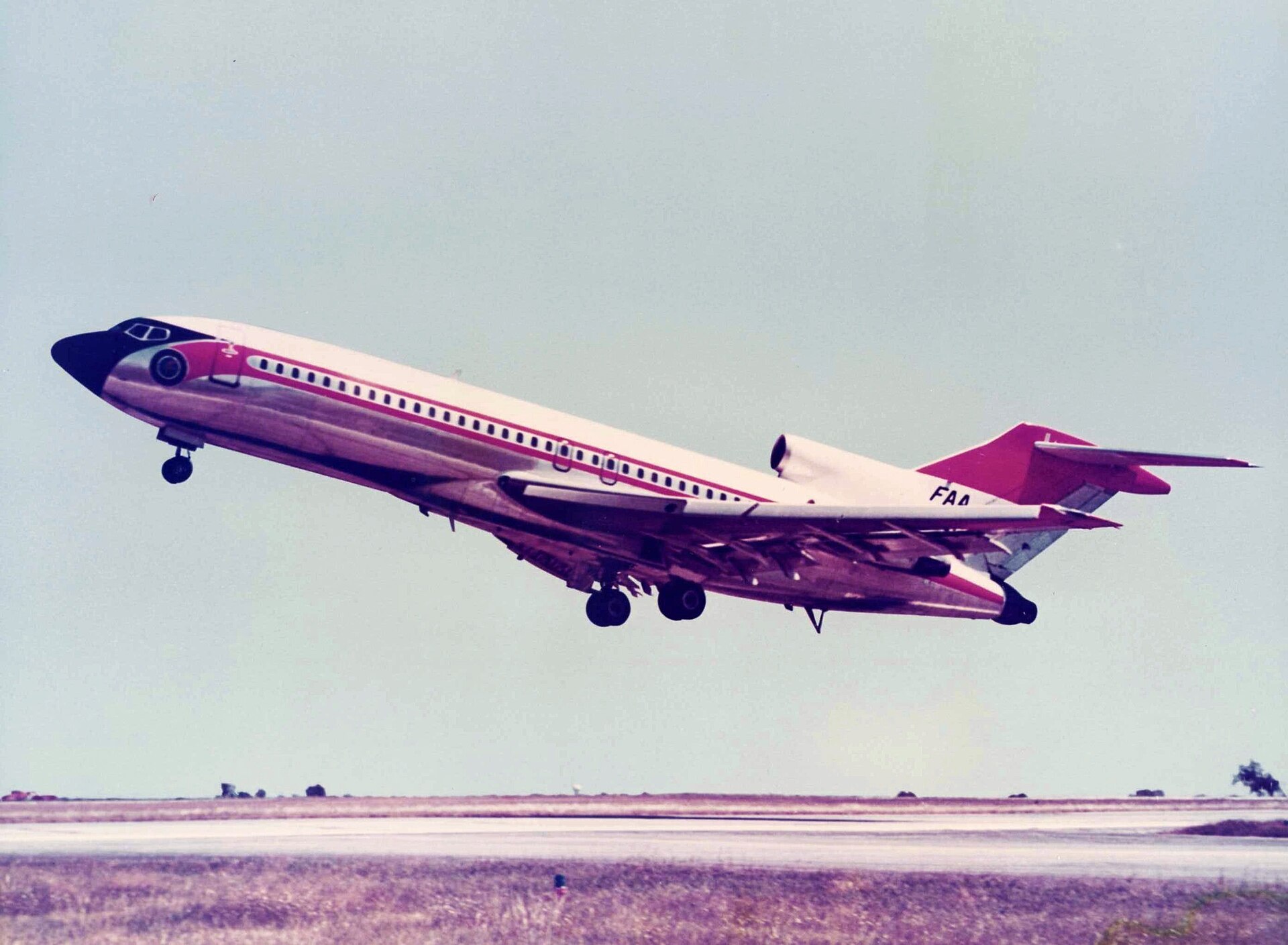
Boeing aircraft were linked to transporting weapons and drones for Sudan’s Rapid Support Forces, in an allegation reported by Reuters and cited by United Nations experts. The aircraft were Boeing aircraft operated by a U.S. government contractor, according to the report, and UN experts identified the flights as part of a wider supply network for the RSF in Sudan.
The finding matters now because Sudan’s war has become a test of how weapons, drones and fighters can move through aviation channels that look civilian, commercial or contractor-linked on paper. Reuters reported that UN experts suspect Boeing 727s intentionally avoided detection.
The allegation at the center
Reuters reported that a draft report by United Nations experts found Boeing aircraft previously identified in Reuters reporting carried arms, drones and mercenaries for Sudan’s Rapid Support Forces, the paramilitary group fighting Sudan’s army.
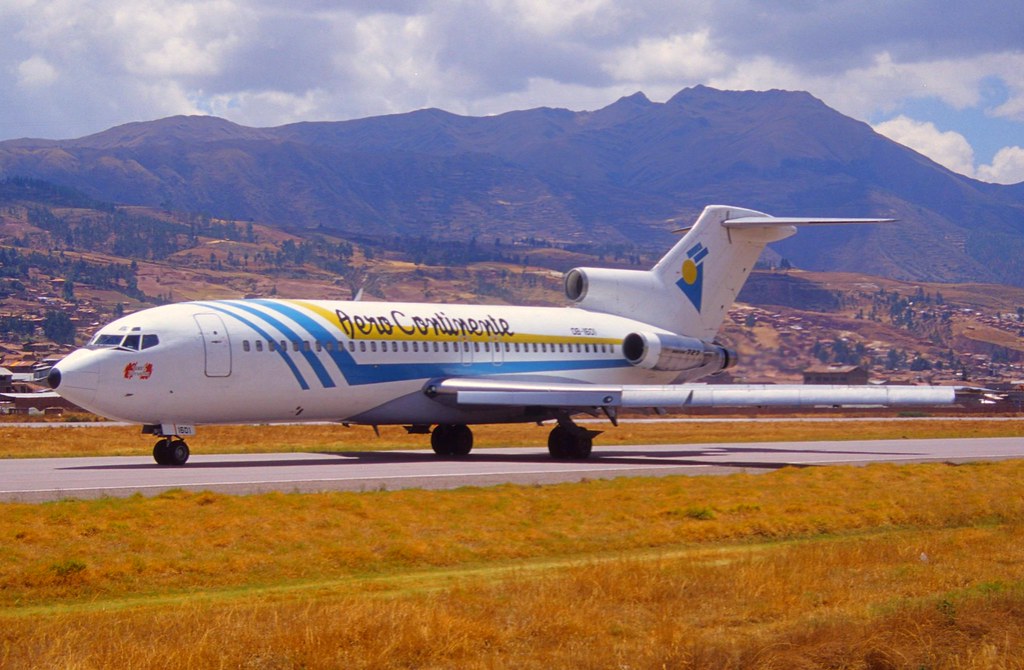
The allegation is narrow but serious: aircraft operated through a contractor-linked aviation network allegedly helped move military supplies into a conflict where outside support can shift battlefield momentum and deepen civilian suffering.
It is also important to separate the aircraft from the manufacturer. The report concerns Boeing-made planes, not an allegation that Boeing itself directed, approved or participated in the flights. Older aircraft often pass through multiple owners, operators and leasing arrangements long after they leave the manufacturer.
Why the Boeing 727 detail matters
The aircraft type matters because Boeing 727s are older, rugged jets that can still appear in cargo and specialized aviation work in some parts of the world. Their age can make ownership histories complicated, especially when aircraft are sold, re-registered or operated by companies across several jurisdictions.
Reuters said UN experts suspected the Boeing 727s intentionally avoided detection. That point is central to the concern: investigators appear to be focused not simply on what the aircraft carried, but on how the flights may have been concealed or routed.
In conflict logistics, the plane is only one layer. Investigators typically look at registration records, operators, flight paths, cargo manifests, end users, refueling stops and corporate control. A single aircraft can sit at the visible edge of a much larger network.
A contractor link raises questions
The involvement of a U.S. government contractor, as reported, gives the allegation broader significance for American readers. Contractors can perform legitimate aviation, logistics and support work for governments while also operating in commercial markets. That dual role can create scrutiny when aircraft tied to such firms appear in sensitive conflicts.
The key unanswered question is not just who owned the aircraft, but who controlled each mission. Aircraft operations can involve owners, lessees, brokers, charter clients, maintenance firms and ground handlers. Responsibility can be split across contracts that are hard for outsiders to see.
That is why UN expert reports often focus on patterns rather than one isolated flight: repeated routes, evasive behavior, cargo types and links between companies can show whether an operation looks accidental, negligent or coordinated.
For the U.S. government, the issue is oversight. If a contractor doing business with Washington is connected to aircraft allegedly used for a paramilitary supply chain, officials may face pressure to examine contract compliance, sanctions exposure and whether existing screening tools are strong enough.
Sudan’s war makes supply routes decisive
Sudan’s conflict has been devastating since fighting broke out in 2023 between the Sudanese Armed Forces and the Rapid Support Forces. The RSF grew out of paramilitary forces associated with Darfur’s earlier violence and has been accused by rights groups and international bodies of grave abuses during the current war.
Air logistics matter because Sudan is vast, front lines shift, and ground routes can be dangerous or blocked. Weapons and drones can change the balance quickly, especially when forces are fighting for cities, supply corridors and strategic airfields.
Drones are a particularly important detail in the Reuters account. Across modern wars, relatively low-cost drones have become tools for surveillance, targeting and attacks. Moving drones into a war zone can have an immediate tactical effect even when the aircraft carrying them never enters combat.
That is why a transport allegation can be more than a technical violation. It can point to the machinery that keeps a war running: financing, chartering, air corridors, brokers and the states or private actors willing to look away.
What the report does not prove
The Reuters account describes findings by UN experts and refers to a draft report. That means the allegation should be treated as significant but still attributed. A draft UN report is not the same thing as a court judgment, and public reporting may not include every document, response or defense from the companies involved.
Several facts remain unclear from the available reporting: the full identity of every company in the chain, who ordered the alleged flights, who loaded the cargo, who paid for the missions and what the U.S. contractor knew at the time.
Those gaps matter. In sanctions and arms-transfer cases, liability can turn on knowledge, control and intent. A company may deny awareness of a shipment’s contents, while investigators may point to flight patterns or repeated conduct as evidence that the operation was not innocent.
The strongest version of the concern is that an aviation network helped supply the RSF while avoiding scrutiny. The narrowest defense would likely argue that aircraft ownership or operation alone does not prove knowing involvement in arms transport. The evidence that emerges next will determine which interpretation holds.
Why this reaches beyond Sudan
This case lands at the intersection of three larger problems: civil war supply chains, private contractors and aging aircraft moving through lightly understood ownership structures.
Governments rely on contractors because they can provide speed, expertise and capacity. But that same outsourcing can blur lines of accountability when assets are used outside the original government contract or through separate commercial arrangements.
For aviation regulators, the challenge is visibility. Aircraft can change flags, operators and routes. Paper compliance can look tidy while the real-world purpose of a flight is hidden behind brokers or vague cargo descriptions.
For Sudanese civilians, the stakes are not bureaucratic. More weapons and drones can mean longer fighting, more displacement and less leverage for diplomacy. The supply chain is not separate from the war; it is one of the systems that can keep the war alive.
The next test is accountability
The Reuters-reported UN findings are likely to increase pressure on governments, regulators and contracting offices to trace the aircraft network more closely. That could include reviews of aircraft registration, sanctions compliance, contractor eligibility and any connection between government-funded work and private operations.
The most immediate question is whether the draft findings become final and whether the named entities, if identified publicly, face sanctions, contract reviews or legal exposure. UN expert reports can shape diplomatic pressure even when they do not lead directly to prosecutions.
The clean takeaway is this: the allegation is not simply that Boeing-made aircraft flew in a dangerous region. It is that contractor-operated aircraft were allegedly part of a weapons, drones and mercenaries pipeline for Sudan’s RSF, and UN experts believe the operation may have been designed to stay out of sight.









Leave a Reply