
The Dulles proposal is not just another airport upgrade. It puts presidential preference, federal infrastructure money and one of Washington’s most recognizable travel hubs in the same fight.
Donald Trump will unveil plans for a new Dulles Airport on Wednesday, and people briefed on the announcement told The Washington Post the plans were personally overseen by Trump. The proposed overhaul of Dulles International Airport would remake the Washington-area airport with new terminals, layout changes and a potential end to its people movers; this article explains the proposed airport overhaul. It follows a 2025 airport-authority plan for at least $7 billion, Reuters reported, and an Oval Office meeting where infrastructure and construction companies pitched Trump and Transportation Secretary Sean P. Duffy.
The announcement matters because Dulles is both a regional workhorse and a symbol-heavy federal gateway. A redesign could change how millions of passengers move through the airport, but it also raises familiar questions about presidential influence, procurement, funding and who gets to shape major public infrastructure.
The plan Trump is pitching
The expected announcement centers on a broad redevelopment of Dulles International Airport, according to The Washington Post, which cited four people who spoke on the condition of anonymity to preview the plans. The outline reportedly includes replacing aging terminals, changing the airport’s layout and doing away with the mobile lounges commonly called people movers.
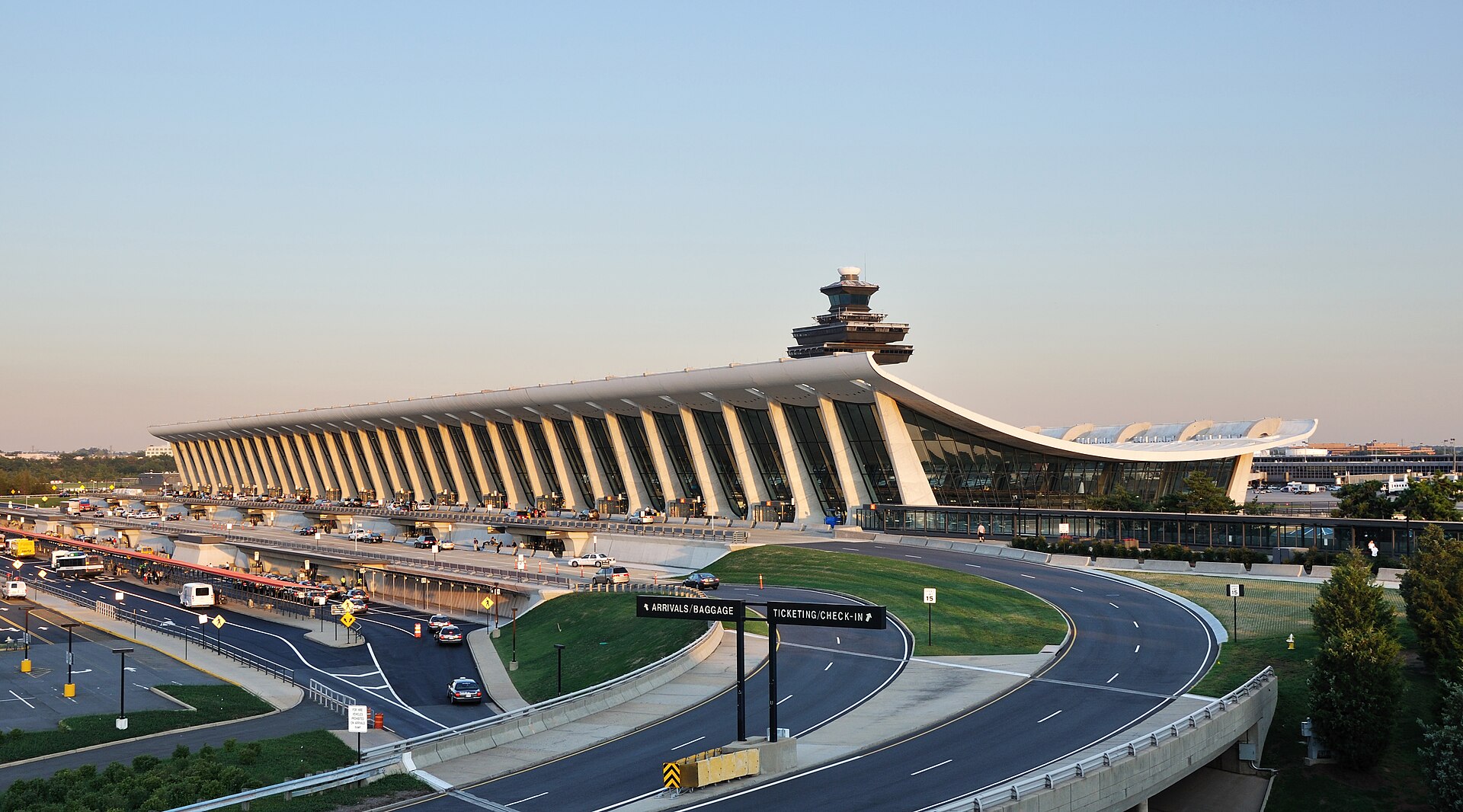
That would amount to more than a cosmetic renovation. Dulles has long been known for its Eero Saarinen-designed main terminal and for a passenger experience that can feel split between architectural grandeur and awkward transfers.
The Post reported earlier this year that Trump had personally driven discussions over the Dulles remake and hosted roughly a half-dozen infrastructure and construction companies in the Oval Office. Executives pitched proposals to Trump and Transportation Secretary Sean P. Duffy, according to that account.
The companies named in that report included AECOM, which was also described as one of the firms working on Trump’s White House ballroom project. The specific firms selected for any Dulles work, if any have been selected, have not been established in the extracted reports.
Why the people movers matter
For many travelers, the biggest practical change would be the possible removal of Dulles’s people movers. The mobile lounges have been part of the airport’s identity for decades, ferrying passengers between the terminal and concourses.
They are also a frequent source of frustration. Critics see them as slow, dated and confusing, especially when compared with the train systems and more direct concourse connections used at many major airports.
Still, eliminating them is not as simple as retiring an old shuttle fleet. The airport’s layout was built around that mode of movement. Replacing it could mean new corridors, rebuilt terminals, altered security flows and construction phasing that affects travelers for years.
That is why the redesign is likely to be judged not just on drawings, but on whether it makes Dulles easier to use without creating years of disruption that passengers and airlines absorb first.
The $7 billion backdrop
Reuters reported that the airport authority in 2025 approved a master capital plan to spend at least $7 billion overhauling Dulles in coming years. That figure gives the Trump announcement a major financial backdrop, even if the precise cost, funding mix and timeline of the new proposal are not yet clear.
Large airport projects usually blend several funding streams. Those can include airport revenue, passenger facility charges, bonds, airline agreements and federal support. Each carries trade-offs, and each can affect how fast a project moves.
A $7 billion program also means the politics will not stop at the unveiling. Regional officials, airlines, contractors, federal transportation agencies and airport leaders all have interests in how work is sequenced and paid for.
The strongest argument for a major rebuild is straightforward: Dulles is an aging international gateway serving the capital region, and passenger expectations have changed. The counterargument is also straightforward: public money and federally connected projects need transparent planning, not design by personal preference.
Personal involvement changes the optics
Trump’s reported hands-on role is the most politically charged part of the story. Presidents often champion infrastructure projects, but direct involvement in an airport’s layout and redevelopment details is unusual enough to draw scrutiny.
Supporters may see that as executive focus on a facility that badly needs modernization. Trump has long emphasized construction, branding and the visual presentation of public spaces, and his allies could frame the Dulles push as a chance to speed up a tired project.
Critics are likely to see something else: a high-profile Washington-area airport being reshaped around the preferences of a president who has also been linked to naming discussions involving major transportation assets.
NBC News reported that the Trump administration asked Senate Minority Leader Chuck Schumer for Dulles International Airport and New York’s Penn Station to be named after Trump in exchange for releasing federal funds tied to the Gateway rail project, citing multiple sources. That separate report is not proof of what will happen at Dulles, but it adds context to why this airport announcement will be read through a political lens.
What travelers may notice
If the overhaul proceeds as described, the day-to-day traveler experience could eventually change in several visible ways: fewer transfers by mobile lounge, more direct terminal-to-gate movement, redesigned passenger circulation and updated terminal facilities.
Those benefits would not arrive overnight. Airport construction is notoriously disruptive because operations must continue while crews rebuild around passengers, airlines, security checkpoints, baggage systems and road access.
Dulles also serves different travel markets at once: international passengers, domestic flyers, connecting traffic and the broader Washington region. A redesign that helps one group could create pain points for another if connections, curb access or security layouts are mishandled.
The practical test will be whether the plan simplifies the passenger journey. A new terminal is only a win if it reduces friction rather than merely replacing old bottlenecks with expensive new ones.
What remains unresolved
The biggest unknowns are the ones that matter most: the final design, full cost, financing plan, construction schedule, procurement process and approval pathway. The previewed reports describe the direction of the overhaul, not a complete public blueprint.
It is also unclear how much of the 2025 capital plan overlaps with the plan Trump is set to unveil, and how much represents a new political imprint on work that airport planners were already preparing.
The Wednesday announcement should clarify whether this is a detailed redevelopment program, a presidential vision statement or something in between. Until the documents are public, the Dulles remake is best understood as a major proposal with real infrastructure stakes and unresolved governance questions.
For travelers, the promise is a faster, more modern Dulles. For the public, the question is whether that promise can be delivered with clear costs, open competition and a plan that outlasts the politics around its unveiling.








Leave a Reply