

The same one-hour shift could make evenings more useful in some states while making winter mornings tougher in others. Energy bills, smart-home settings, lawn care and home showings may all feel the change.
The article explains how making daylight saving time permanent would affect homeowners in the United States: the Sunshine Protection Act would make daylight saving time permanent year-round, eliminating the one hour clock changes now made on the second Sunday in March and the first Sunday in November. For homeowners in Alabama, Florida and Texas, that could mean lighter evenings; in Maine, Michigan and Wisconsin, the trade-off could be darker mornings and much later winter sunrises.
The impact would vary depending on where homeowners live. That is the point often lost in the national debate: permanent daylight saving time is not just about changing clocks less often, but about moving useful daylight from one part of the day to another.
The bill shifts the light
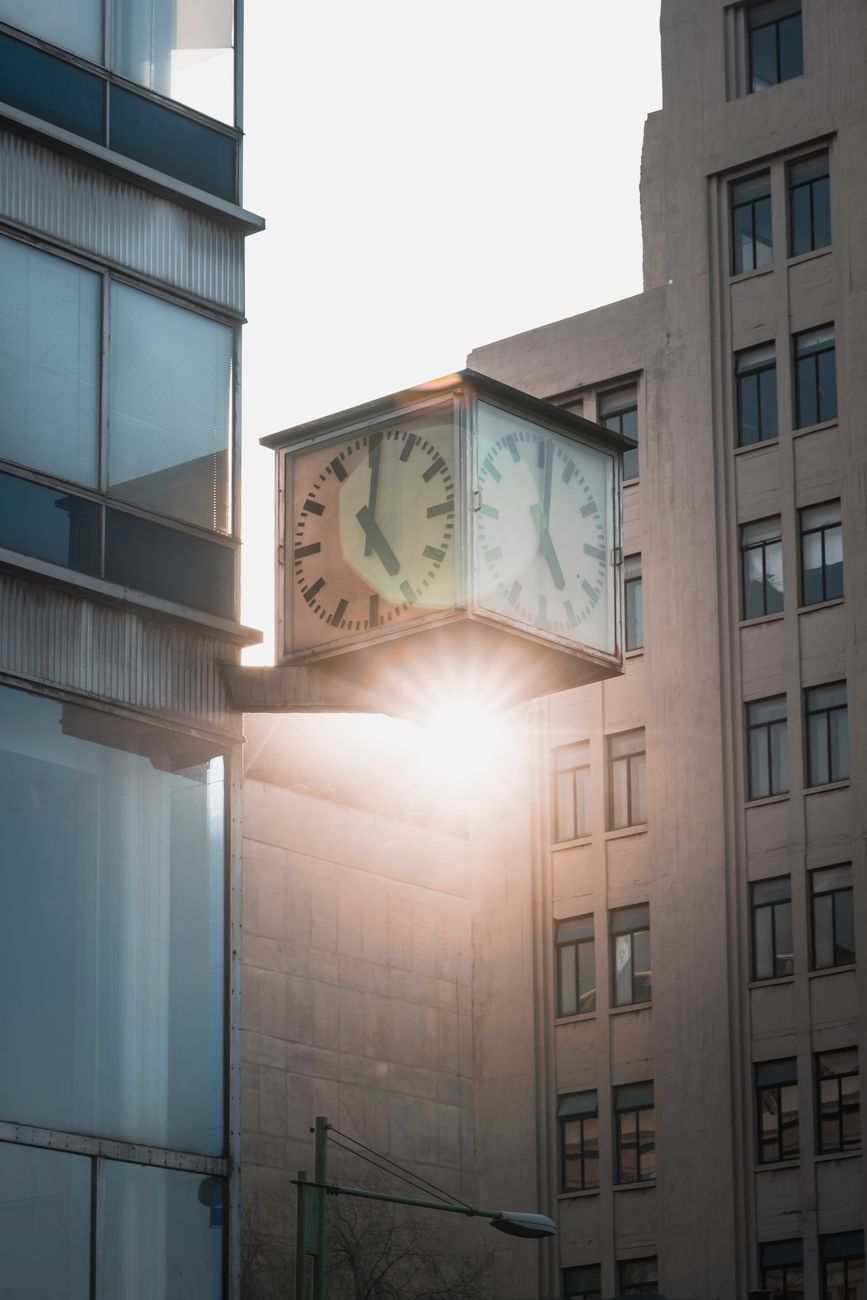
Under the current routine, most Americans move clocks forward by one hour in March and back by one hour in November. The Sunshine Protection Act would keep daylight saving time in place all year instead of returning to standard time in the fall.
According to the House Energy and Commerce Committee and a Realtor.com analysis of the proposal, the legislation has cleared the U.S. House but would still need Senate approval and a presidential signature to become law. Until then, homeowners are dealing with a possibility, not a guaranteed change.
If it did become law, the practical result would be simple but far-reaching: more daylight after work or school, less daylight before work or school, especially in winter. For some households, that sounds like a better deal. For others, especially in northern and western parts of time zones, it could mean beginning more winter days in the dark.
Geography creates winners and losers
A permanent daylight saving schedule would not land evenly across the map. Realtor.com pointed to homeowners in Alabama, Florida and Texas as examples of those who may get more usable evening daylight without the harshest winter-morning penalty.
In states such as Maine, Michigan and Wisconsin, the picture can look different. Later winter sunrises could make morning commutes, school drop-offs, dog walks and early outdoor chores feel darker for longer stretches of the year.
That state-by-state difference matters because homeowners do not experience daylight as an abstract national average. They experience it through when the driveway is icy, when the kids leave for school, when the porch light clicks on and when there is still enough sun to mow, walk or show a home after work.
The dividing line is not simply north versus south. Where a home sits within a time zone also matters. Communities on the western edge of a time zone generally see the sun rise later than those on the eastern edge, so permanent daylight saving time can feel more disruptive there in winter mornings.
Energy savings are not automatic
The most attractive homeowner argument for permanent daylight saving time is easy to understand: if evenings stay brighter, people may need less indoor lighting while they are awake and active. That could trim some electricity use.
But lighting is only one piece of a home energy bill. Heating and cooling can overwhelm any small savings from fewer lamps or overhead lights.
Brandon Young, CEO of Payless Power in Fort Worth, Texas, told Realtor.com that dark, cold winter mornings under permanent daylight saving time could force furnaces to work harder before sunrise. In summer, the extra evening sun could keep homes warmer later, pushing air conditioners to run during high-demand hours.
That makes the homeowner impact less like a universal discount and more like a trade-off. A well-insulated home with smart scheduling may handle the shift smoothly. A drafty home, an older HVAC system or a utility plan with expensive peak-hour rates could change the math.
Evening chores get easier
More evening light would have clear lifestyle benefits for many homeowners. It could make it easier to water plants, cut the lawn, sweep a patio, clean gutters or take on small repairs after work rather than saving everything for the weekend.
Young also noted that landscaping schedules may need to change. More usable evening light can be helpful, but homeowners may still need to think about heat, watering restrictions and the best time to protect grass and plants.
Home security is another commonly cited advantage. Realtor.com’s analysis notes that more daylight in the evening may improve visibility around a property, and many crimes occur at night when it is dark outside. That does not replace locks, lighting, cameras or basic precautions, but it may change how a house feels during the after-work hours when people are arriving home.
There is also a social side to the shift. Porches, yards, parks and neighborhood streets may get more activity in the evening if daylight lasts longer. For homeowners who value after-work outdoor time, that may be the biggest benefit of all.
Smart homes would need resets
If daylight saving time became permanent, homeowners with smart devices would not just set the clock once and forget it. Thermostats, lights, shades, sprinklers, security systems and appliance schedules may all need a second look.
Young recommended letting a smart thermostat preheat a home 30 to 45 minutes before the alarm, rather than running heat all night. That advice is especially relevant if darker winter mornings make the house feel colder before sunrise.
Marcus Griswold, founder of Little Green Myths in Vallejo, California, told Realtor.com that homeowners can also close doors and turn off heat in unused rooms. Some smart systems support zoned heating by sensing whether a room is occupied, which can keep comfort focused where people actually are.
- Thermostats: preheat shortly before wake-up instead of heating empty rooms overnight.
- Smart shades: open during sunny winter hours to capture heat, then close near sunset to hold warmth.
- Smart bulbs: use gradual sunrise settings in bedrooms, bathrooms and hallways to make dark mornings less jarring.
- Appliances: schedule laundry and dishwashers outside peak utility hours if your plan uses time-of-use pricing.
Sellers may get a boost
Permanent daylight saving time could also affect how homes are marketed. Since many buyers tour houses after work, brighter winter evenings may give sellers more chances to show a property in natural light.
That matters because curb appeal is not just a listing-photo concept. Exterior paint, landscaping, walkways, outdoor lighting, decks and patios all read differently when buyers can see them clearly in person.
Still, the benefit would not be equal everywhere. A buyer arriving in a northern city after work may appreciate extra light, while a family juggling dark morning routines may treat the same policy as a drawback. The same clock setting can create different winners at 7 a.m. and 5 p.m.
One more caveat: people do not adjust instantly. Young cited a survey in which 84% of Americans said it takes at least one day to adjust to a new time after a time change, while 29% said it takes at least one week. A permanent schedule would remove the twice-a-year disruption, but it would not erase the seasonal reality of short winter days.
The homeowner takeaway
The clearest answer is also the least slogan-friendly: permanent daylight saving time would help some homeowners, inconvenience others and leave many with a mix of both.
Evening light could make yards, errands, showings and after-work routines easier. Darker winter mornings could complicate heating, commuting, school schedules and wake-up routines, especially in northern states and places already prone to late sunrises.
For now, the Sunshine Protection Act remains a policy proposal that has not completed the full federal process. But homeowners do not have to wait for a final vote to understand the stakes. The real question is not whether daylight is good. It is when that daylight is most useful at home.











Leave a Reply