
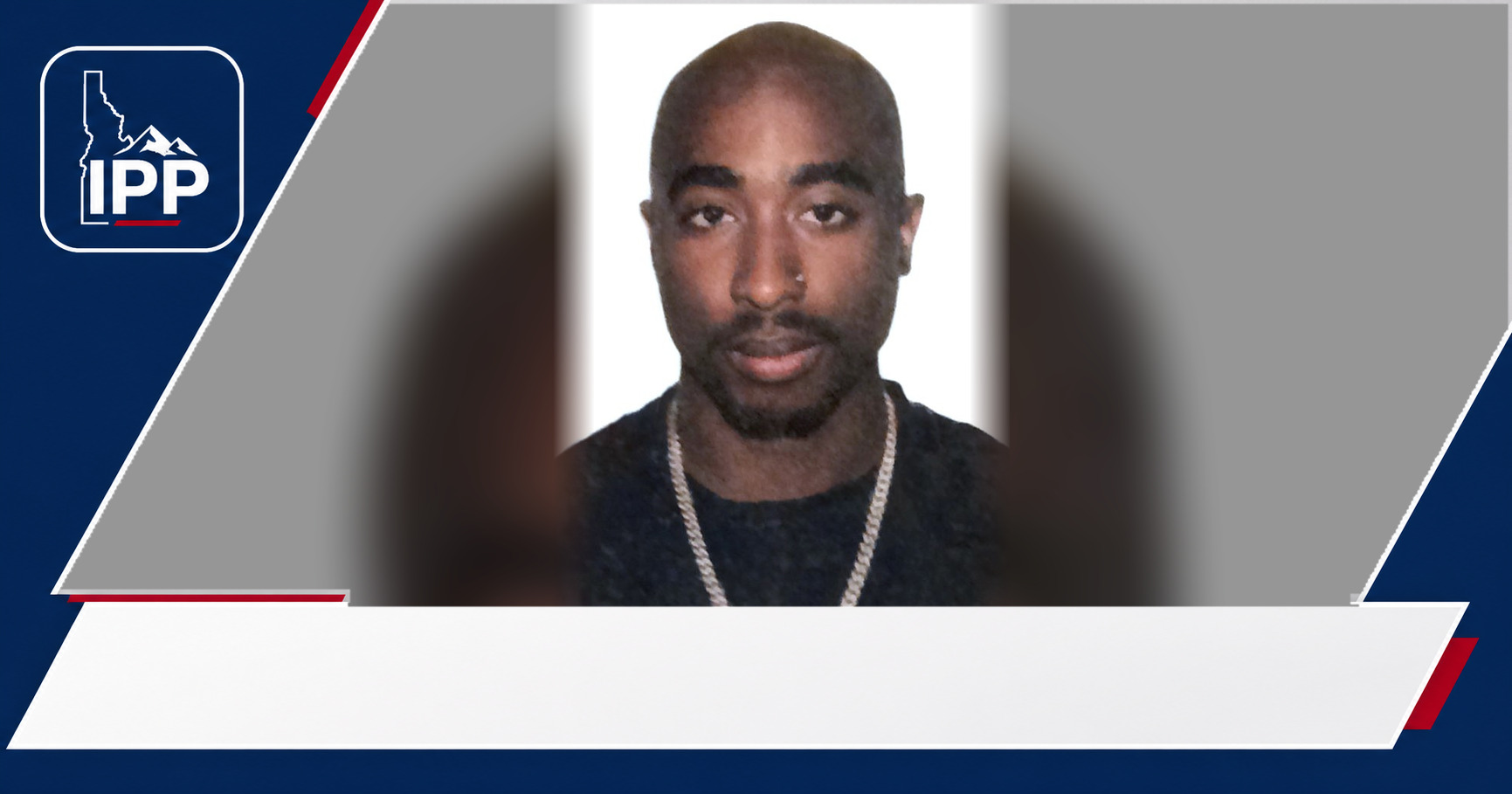
Prosecutors say Duane “Keffe D” Davis planned the shooting that killed Tupac Shakur after an assault involving Davis’s nephew. The defense says the case, brought three decades later, lacks reliable corroboration.
Prosecutors allege Duane “Keffe D” Davis plotted Tupac Shakur’s killing in Las Vegas in 1996 to avenge Davis’s nephew, Orlando “Baby Lane” Anderson. The Tupac Shakur murder trial has now begun, putting a revenge-motive theory at the center of a case that remained unsolved for nearly three decades.
Davis, 63, has pleaded not guilty to murder with a deadly weapon and a gang-related allegation. Prosecutors say he did not fire the fatal shots, but planned the drive-by attack after Shakur took part in an assault on Anderson following a Mike Tyson fight on September 7, 1996.
Prosecutors focus on revenge
In opening statements, Chief Deputy District Attorney Binu Palal told jurors that Shakur’s involvement in the beating of Anderson was public, captured on video and humiliating for Davis’s nephew.
Palal said the shooting followed roughly two and a half hours later. Shakur was shot while riding in a BMW driven by Marion “Suge” Knight, the Death Row Records executive, and died days later at age 25.
The prosecution’s account is not that Davis was the gunman. Instead, Palal alleged that Davis supplied a gun to someone in the back seat of a white Cadillac and directed that person to shoot Shakur.
That distinction is central to the case. Prosecutors must persuade jurors that Davis’s alleged planning and participation make him criminally responsible even if he did not personally pull the trigger.
The defense attacks the timeline
Davis’s lawyer, Michael Sanft, has pushed back hard on the strength of the evidence and the timing of the prosecution. According to reporting from the courtroom, Sanft told jurors that no one corroborates the key claims against his client.
The defense’s broad question is simple: what evidence can reliably establish guilt after 30 years? Witness memories can fade, physical evidence can be limited and people once connected to the events may no longer be available to testify.
All three other people prosecutors say were in the Cadillac with Davis have died. That leaves the jury to weigh the surviving evidence, including Davis’s own past statements, against the defense argument that those accounts are not trustworthy proof of a murder plot.
Davis’s not-guilty plea remains the legal baseline. Opening statements are arguments, not evidence, and the burden stays with prosecutors to prove the charge beyond a reasonable doubt.
Why Davis’s own words matter
The case against Davis emerged long after the 1996 shooting, in part because of what he said publicly. In 2008, Davis spoke with investigators examining the deaths of Shakur and Christopher Wallace, known as the Notorious B.I.G.
Those conversations were conducted under an agreement that limited how his statements about Shakur’s killing could be used against him. But prosecutors say Davis later discussed his role in a book, Compton Street Legend, and in media interviews.
Those later public accounts renewed attention on the Las Vegas investigation and are expected to be important to the state’s case. Prosecutor Marc DiGiacomo has said that, had Davis not written the book, he probably would never have been prosecuted.
Sanft has argued that the book was fictionalized and should not be treated as a straightforward confession. That clash gives the trial a defining question: were Davis’s public remarks truthful admissions, storytelling, exaggeration or something else?
A case revived after decades
Shakur’s killing became one of the most enduring unresolved crimes in popular music. The rapper was already a major cultural figure when he was shot, and his death intensified public fascination with the violence and rivalries surrounding rap in the 1990s.
Yet fame does not make an old case easier to try. The passage of time raises practical problems for both sides, from locating witnesses and records to testing the reliability of recollections shaped by years of media coverage.
Davis was indicted in 2023, making him the first person charged in Shakur’s death. The delayed prosecution means this trial is not simply revisiting a famous night in Las Vegas; it is testing whether a case assembled years later can meet the criminal justice system’s highest standard of proof.
For Shakur’s family, the proceedings also reopen a personal loss. Family members attended the first day of trial, and Shakur’s stepbrother Maurice “Mopreme” Shakur has said being present will be painful but important.
What jurors are expected to hear
The trial could last weeks. Prosecutors plan to call between 35 and 45 potential witnesses, while the defense is expected to call far fewer, according to reporting on the opening day.
Jurors are likely to hear evidence about the fight involving Anderson, the movements of the vehicles after the Tyson match, the white Cadillac from which the shots were allegedly fired and Davis’s later interviews and writings.
The prosecution will seek to connect those pieces into a coherent account of retaliation. The defense will likely emphasize gaps, inconsistencies and the absence of direct corroboration for the claim that Davis ordered or planned the shooting.
Neither the notoriety of Shakur’s death nor the passage of time decides the case. The verdict will depend on what evidence is admitted, how credible jurors find the witnesses and whether the prosecution can prove its revenge theory beyond a reasonable doubt.
The unresolved stakes of trial
The central allegation is stark: that a public beating of Davis’s nephew set off a fatal act of retaliation within hours. But an allegation made in opening statements is the beginning of the trial’s factual dispute, not its resolution.
There are still major questions for the courtroom to answer. Can the state establish who fired the gun? Can it show that Davis had the authority and intent prosecutors attribute to him? And can the defense create reasonable doubt about statements that became public years after the shooting?
The trial offers the closest legal examination yet of Shakur’s killing. Its outcome will determine Davis’s fate, while also shaping whether one of music’s most scrutinized unsolved murders receives the courtroom reckoning Shakur’s family and fans have long awaited.








Leave a Reply