

The Alabama Republican turned a Capitol Hill hearing into a vow of legal pursuit, accusing Fauci of pandemic-era wrongdoing. His remarks show how COVID oversight is shifting from congressional questioning to campaign-stage punishment politics.
A GOP senator vowed to pursue Anthony Fauci after his Capitol testimony on Wednesday, with Sen. Tommy Tuberville of Alabama saying on Newsmax that Fauci should face prison and possible legal action in Alabama. The Republican backlash erupted after Fauci testified on Capitol Hill and, according to the report, invoked the Fifth Amendment during questioning.
The article explains the senator’s accusations against Fauci: Tuberville claimed, without presenting evidence in the interview, that Fauci funded gain-of-function research tied to Wuhan and that “he killed millions of people.” The stakes are political and legal, even if the path Tuberville described remains unclear.
Tuberville turns testimony into threat
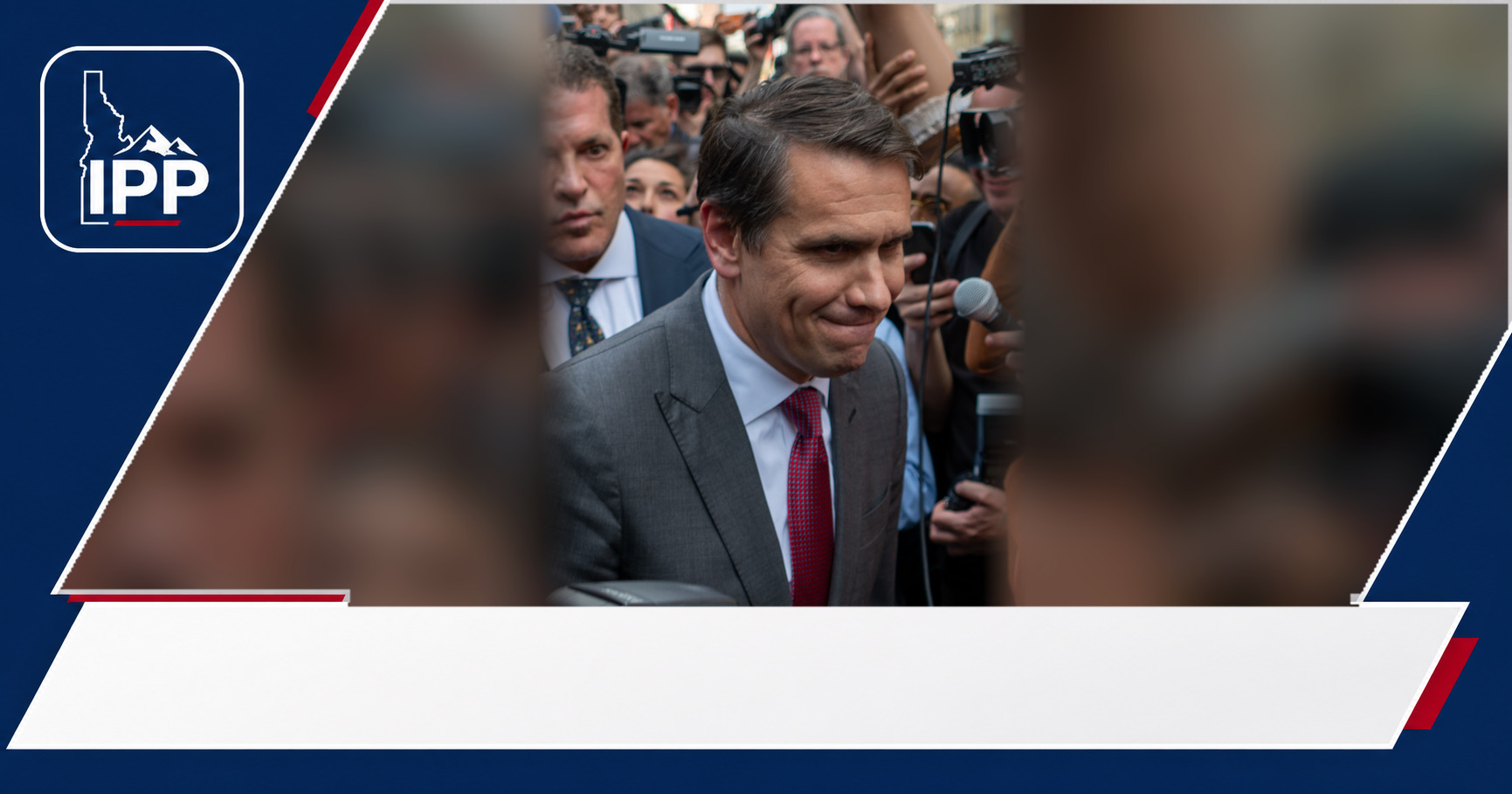
Tuberville’s comments came after Fauci, the former federal health official who became the public face of the U.S. pandemic response, appeared for hours of testimony on Capitol Hill. MEAWW News reported that Tuberville criticized Fauci’s appearance during a Wednesday Newsmax interview and said he wanted the former official punished over his handling of COVID-19.
The Alabama Republican did not frame his remarks as ordinary oversight. He said Fauci “should be locked up” and suggested he would look for ways to bring Fauci into Alabama’s legal system if he becomes governor.
That leap matters. Congressional hearings are designed to gather testimony, pressure officials and create a public record. Tuberville’s remarks pushed the fight into a different arena: whether a political promise to pursue Fauci can become a real legal action.
The report did not identify any charge filed against Fauci, any lawsuit Tuberville has brought, or any specific Alabama statute that would allow the state to prosecute him over federal pandemic policy.
The accusation at the center
Tuberville’s central allegation was sweeping. He accused Fauci of funding gain-of-function research at a Wuhan laboratory and claimed, without evidence presented in the interview, that the virus was released from that lab.
He then connected those claims to the pandemic death toll, saying, “He killed millions of people, folks. I mean, this was a catastrophe.” That statement is an accusation from Tuberville, not an established legal finding.
The distinction is important because the public debate over COVID origins, research funding and government messaging has often blurred political blame, scientific uncertainty and criminal liability. Tuberville’s language treats the matter as punishable wrongdoing. The available reporting does not show that a court has reached that conclusion.
Fauci has long denied that the National Institutes of Health funded gain-of-function research that caused the pandemic. The current report did not include a new detailed response from Fauci to Tuberville’s latest remarks.
The Fifth Amendment flashpoint
According to the report’s framing of the Capitol Hill testimony, Fauci’s lack of answers and invocation of the Fifth Amendment became a trigger for Republican criticism. Tuberville portrayed the testimony as evasive and “embarrassing.”
The Fifth Amendment gives a witness the constitutional right not to provide testimony that could be self-incriminating. Invoking it is not, by itself, proof that a person committed a crime. In politics, however, it often becomes a powerful visual: a witness declines to answer, opponents declare that there must be something to hide, and the hearing becomes a campaign-ready moment.
That is what happened here. Tuberville used the testimony to argue that Fauci should face consequences beyond congressional questioning. His message was not just that Fauci should be investigated, but that he should be imprisoned.
Republican lawmakers have spent years scrutinizing pandemic policy, mask guidance, school closures, vaccine mandates and research funding. For Fauci’s critics, Wednesday’s testimony offered another opportunity to revisit those disputes. For Fauci’s defenders, the rhetoric risks turning a complex public-health record into a criminal accusation without the legal process to support it.
Alabama promise raises questions
Tuberville tied his pledge directly to Alabama. He said that if he becomes governor, “we will find out if there’s a possibility” of bringing Fauci to Alabama, putting him before a court and jury, and seeking prison time.
That wording leaves major questions unanswered. “Find out if there’s a possibility” is not the same as identifying jurisdiction, naming a charge, or explaining how a state case could be built around actions taken by a federal official during a national emergency.
He also invoked Alabama’s COVID losses, saying the state had lost “20 to 30,000 people” during the pandemic and expressing hope that families would sue Fauci. That statement points more clearly toward civil litigation by private plaintiffs than a governor-led criminal prosecution, but Tuberville’s remarks mixed the two ideas.
Governors do not personally prosecute criminal cases. State attorneys general, district attorneys and courts would all have roles, depending on the type of case. Even then, any legal action would have to clear basic hurdles: jurisdiction, standing, evidence, statutes of limitation and constitutional protections.
Why Fauci remains a target
Fauci’s role during the pandemic made him one of the most recognizable public-health figures in the country. To supporters, he represented scientific continuity during a crisis that spanned two presidential administrations. To critics, he became a symbol of mandates, shifting guidance and what they viewed as excessive government control.
Tuberville’s remarks draw from that second view. He accused Fauci of lying to President Donald Trump, criticized him under President Joe Biden, and suggested that Fauci operated with too little accountability.
The political power of that argument is clear. COVID grievances still animate parts of the Republican base, especially among voters who believe federal health officials misled the public or suppressed dissenting views. A promise to “pursue Fauci” signals that those disputes are not over.
But political resonance does not answer the legal question. Calling for punishment is easier than proving a criminal case. The available report shows outrage, accusation and a vow to explore legal action. It does not show a developed prosecution strategy.
What remains unresolved
The immediate fallout is political. Tuberville has escalated his criticism from oversight language to a public demand for prison, while linking that promise to a possible future role in Alabama state government.
What remains unclear is whether anything concrete follows. The report does not show that Tuberville has filed a complaint, referred evidence to prosecutors, or secured support from Alabama legal authorities. It also does not show how Fauci or his legal team responded to the latest comments.
There is also a broader unanswered question for Congress: whether pandemic oversight is still aimed at producing a factual record, or whether it has become a vehicle for public punishment before any court weighs evidence.
For now, Tuberville’s vow is a sharp political escalation after Fauci’s Capitol Hill testimony. It may satisfy voters who want accountability for pandemic decisions. It may also test how far Republican officials can push allegations against Fauci without moving from accusation to evidence in a legal forum.









Leave a Reply