

The dispute now centers on who gets influence over the World Cup’s commercial future: FIFA’s leadership, national federations, or outside investors buying into a new subsidiary.
FIFA is trying to sell members on a major financial reset: a new $20 billion commercial subsidiary that could bring in outside investors, raise as much as $4.2 billion and expand development funding across world soccer. The proposal has instead opened a governance fight, with UEFA and other soccer bodies questioning the process, the safeguards and the reported role of an investment vehicle connected to Joshua Kushner.
FIFA says it would keep control of competitions, rules and sporting decisions. Critics say the issue is not only formal control, but whether the World Cup’s commercial machinery should be opened to private capital at all.
The member payout is the pressure point
The practical appeal of FIFA’s plan is money for national associations. Under the existing FIFA Forward program, member associations are budgeted to receive $8 million each in development funds during the 2027-30 World Cup cycle.
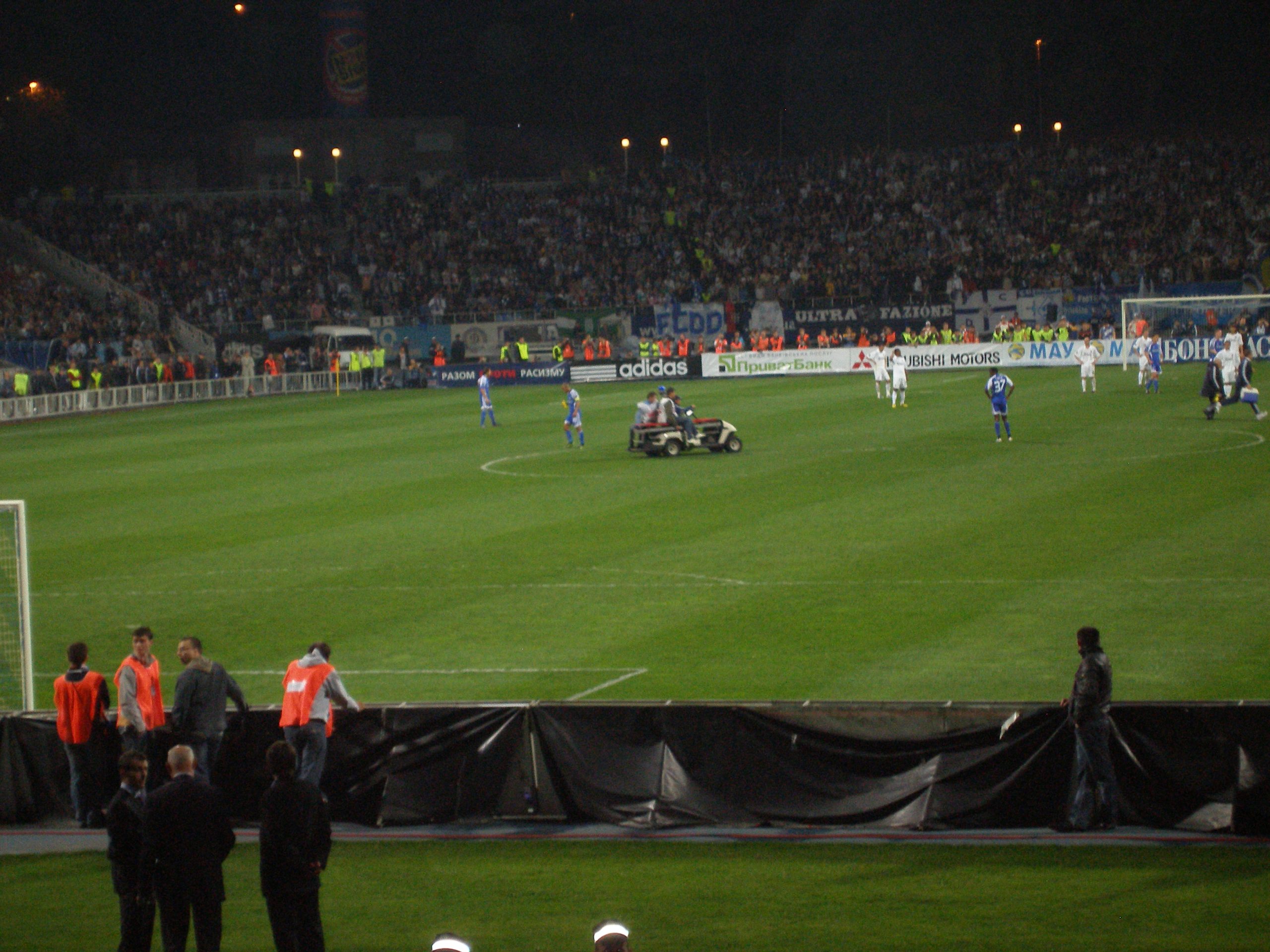
Under the proposed FIFA Fast Forward Program, FIFA says those payments could rise to $20 million per member association in the upcoming cycle, then $22 million and $24 million in later four-year cycles through 2038. Associations could also access an optional one-time $20 million for infrastructure, coaching, national teams, competitions, grassroots soccer and the women’s game.
For smaller federations, that is not an abstract finance package. It could mean fields, academies, staff, women’s programs and youth competitions that are otherwise difficult to fund.
That is also why the proposal is so powerful politically. FIFA is asking members to weigh immediate development funding against long-term concerns about how the World Cup’s commercial value is managed.
What FIFA says it would sell
FIFA’s proposal would create a new commercial vehicle called FIFA Forward Enterprise, or FFE. According to FIFA’s announcement as described in reports, the subsidiary would house commercial and event operations tied to FIFA competitions, including areas such as broadcast, sponsorship, ticketing, licensing and tournament delivery.
FIFA says outside investors could buy minority interests of up to 20% in the $20 billion subsidiary. The governing body says that structure could raise up to $4.2 billion for soccer development worldwide.
FIFA’s defense is that investors would not be buying FIFA itself or control over the sport. The organization has said it would retain sole control of the enterprise and exclusive authority over its competitions, governance, regulatory decisions and sporting matters.
The objection from critics is more structural. They argue that placing the commercial engine of the World Cup inside an investible entity could still create pressure to prioritize returns, even if FIFA keeps formal decision-making power.
Why Kushner’s reported role sharpened scrutiny
Reuters reported that a vehicle founded by Joshua Kushner is expected to lead the proposed investment. Joshua Kushner is the brother of Jared Kushner, who is married to Ivanka Trump and is Donald Trump’s son-in-law.
TIME identified the investor vehicle as Thrive Eternal, a permanent capital firm launched by Joshua Kushner to buy and hold minority stakes in sports teams and other high-profile brands. Thrive Capital told TIME it had no comment to provide at the time of publication.
FIFA has not publicly described the proposal as a sale to the Trump family. The concern raised by critics is about proximity and influence: a politically connected investor vehicle, FIFA President Gianni Infantino’s visible ties to Donald Trump, and a restructuring of World Cup-related commercial operations worth billions.
The United States co-hosted the 2026 men’s World Cup, which FIFA said generated record revenue. That backdrop has made the reported Kushner connection an especially sensitive part of the debate.
UEFA and other bodies object to the process
UEFA, which represents 55 FIFA member associations in Europe, has been among the strongest critics of the plan. The organization has said there is significant and growing opposition to FIFA’s scheme, according to the Associated Press.
TIME reported that UEFA was planning an emergency meeting to discuss opposition to the proposal, including the possibility of a World Cup boycott. That does not mean a boycott has been agreed or is imminent. It means one of soccer’s most powerful regional blocs is considering extreme leverage as it challenges the plan.
Other organizations have also objected to how the proposal surfaced. CONCACAF, which governs soccer in North America, Central America and the Caribbean, said it was deeply concerned by the lack of due process and by the plans becoming public before discussion with relevant governance bodies and stakeholders.
The English Football Association said it was deeply concerned about the process, governance and principles involved. The Asian Football Confederation also said it was disappointed that a matter of such significance entered the public domain before being handled through established governance channels.
The unanswered questions before the deadline
The plan is not final. Reports say it would need majority support from FIFA’s member associations and approval by the FIFA Council. The Associated Press reported that Infantino set a Sept. 19 deadline for FIFA’s 211 member federations to accept one-off $20 million offers tied to the project.
FIFA told the Associated Press that the outline of the plan was shared with member associations in Manhattan on July 18. Several confederations and national bodies, however, have argued that consultation has not been adequate for a decision of this scale.
The central questions remain unresolved publicly: who exactly would invest, what rights investors would receive, how profits would flow, what safeguards would prevent influence over sporting decisions, and whether FIFA members have had enough time and information to judge the tradeoff.
The fight is therefore not simply over whether FIFA can raise billions. It is over whether the World Cup’s commercial future can be reorganized quickly, with private investors involved, without losing the trust of the soccer bodies that make the tournament possible.










Leave a Reply