
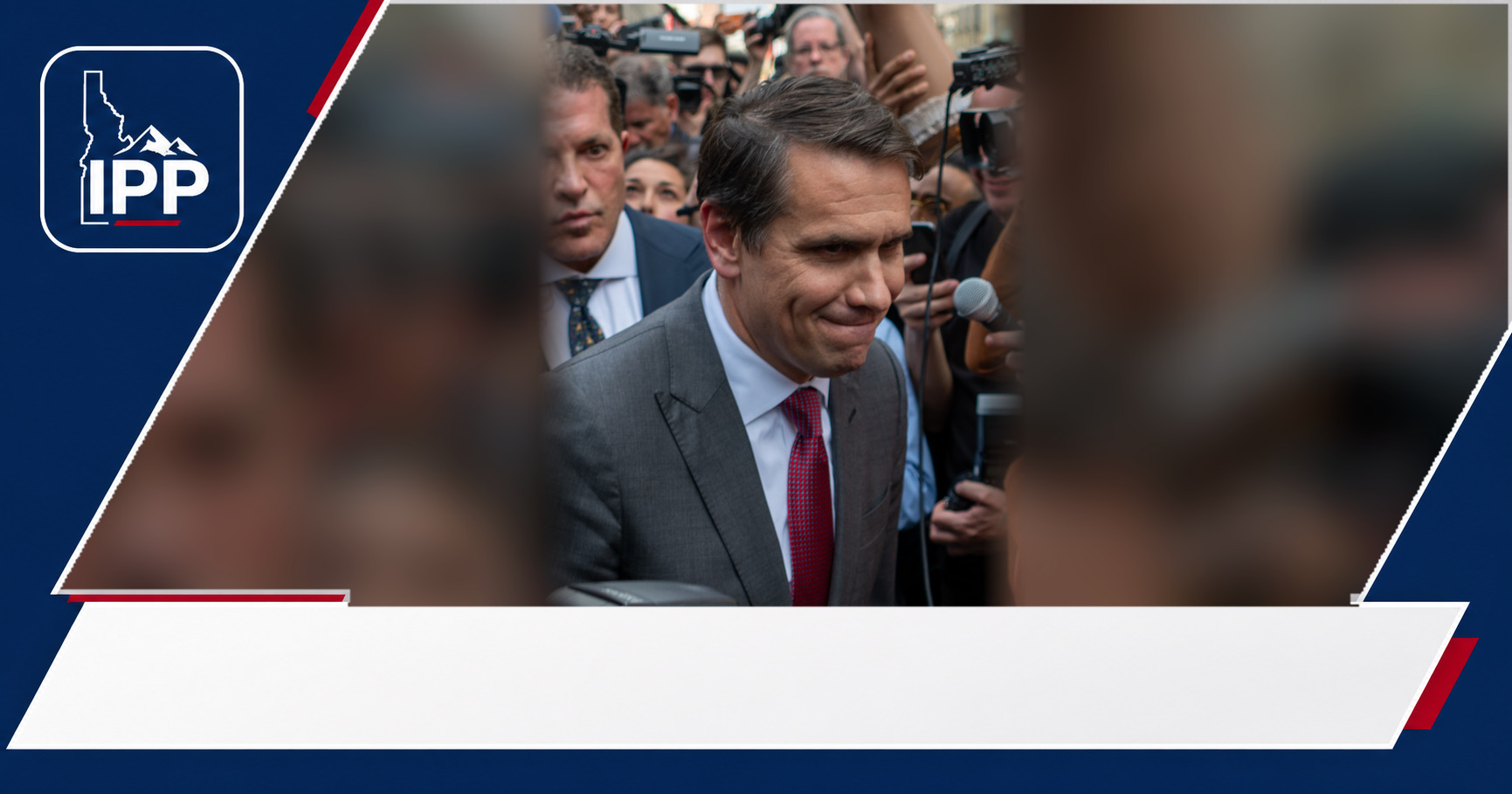
A dispute over President Donald Trump’s IRS settlement has turned Blanche’s confirmation into a test of Republican unity. The immediate question is whether DOJ can satisfy a swing GOP senator before the nomination stalls.
Todd Blanche’s nomination for U.S. attorney general is in doubt in Washington, D.C., on Wednesday, July 29, 2026, as a Senate vote is approaching and a key Republican senator is seeking assurances from the Department of Justice. Sen. John Cornyn has pressed DOJ for written answers about the settlement of President Donald Trump’s lawsuit against the Internal Revenue Service, putting Blanche’s confirmation path at risk.
The U.S. Senate Judiciary Committee is scheduled to vote Thursday on whether to advance Blanche to the full Senate. But Cornyn’s resistance has exposed a narrow-margin problem: if even one Republican on the committee withholds support, the nomination could be delayed or derailed.
Cornyn wants it in writing
Cornyn, a Texas Republican described in an Associated Press report published by PBS NewsHour as a crucial swing vote, called off a scheduled Wednesday meeting with Blanche. His stated reason was blunt: the Justice Department, he said, has not adequately answered his concerns in writing.
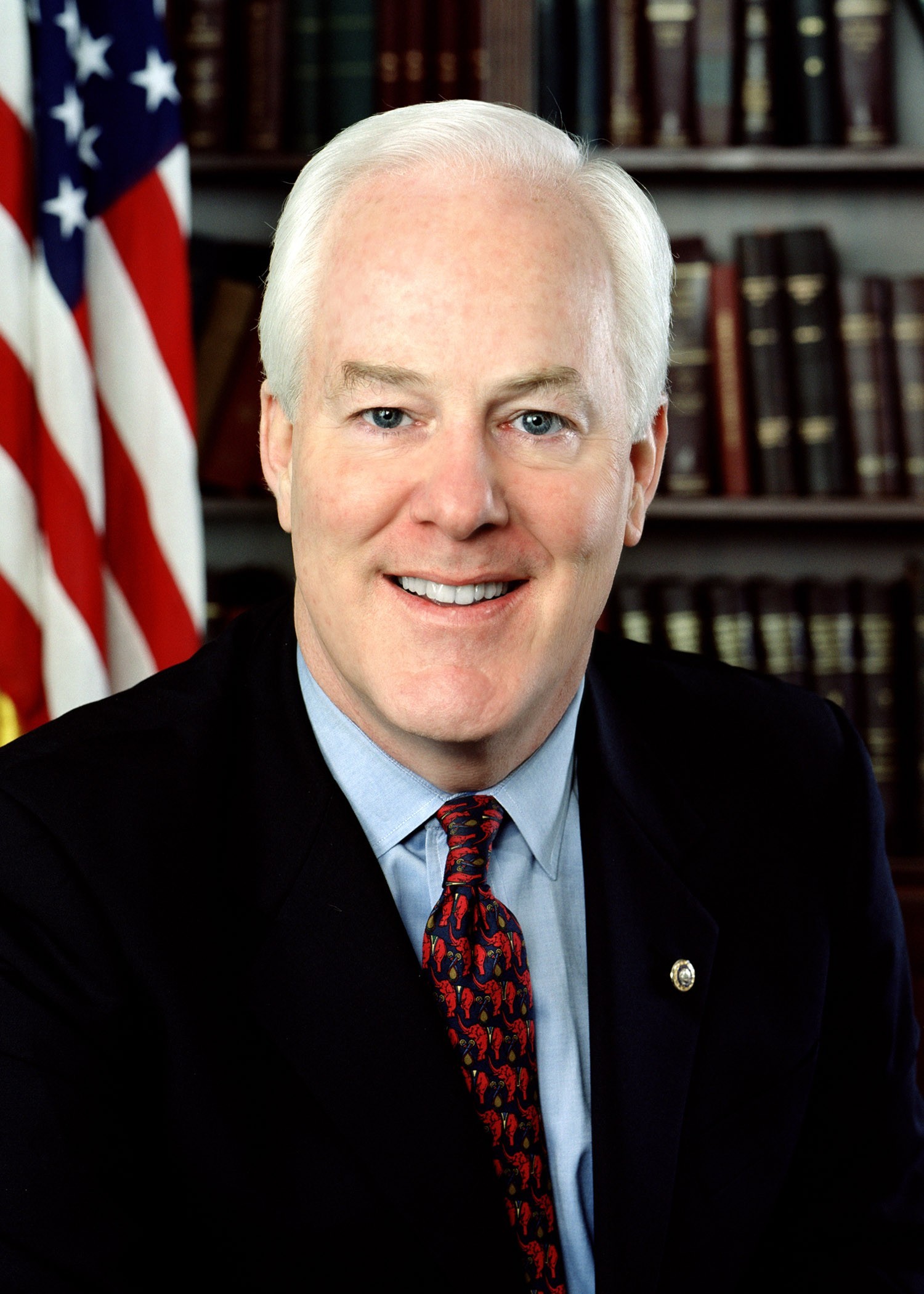
Those concerns center on a settlement tied to Trump’s lawsuit against the IRS. According to the AP report, the agreement afforded Trump and members of his family protection from tax audits, while a separate proposal connected to the settlement would have created a large fund for people who say they were wronged by DOJ.
Cornyn told reporters that DOJ knows what it needs to do but has refused. “They know what they need to do but they simply refuse to do it,” he said, according to the AP account.
That public frustration matters because Blanche’s nomination does not have much room for error. The dispute is not over whether Blanche can answer senators’ questions in a hearing room; it is over whether the department he currently leads in an acting capacity will make binding commitments before lawmakers vote.
The IRS settlement is the flashpoint
At the center of the fight is Trump’s $10 billion lawsuit against the IRS. The settlement included a deal to drop tax claims against the president, according to the AP report, and included audit-related protections for Trump and family members.
There was also a now-scrapped plan to create a $1.776 billion “Anti-Weaponization Fund.” The fund was intended to compensate people who believe they were wronged by the Justice Department.
DOJ said in June that it was no longer moving forward with that fund after bipartisan outrage. But officials have said the audit immunity agreement remains in place, which is one reason the issue has not disappeared.
Some lawmakers worry the fund could be revived unless the Trump administration commits in writing that it is dead. That concern has been sharpened by Trump’s continued support for the concept, according to the AP report.
Blanche has offered limits
Blanche has tried to draw a line around the tax portion of the settlement. He has said the agreement covers any existing audits but does not shield Trump from examination of future tax filings.
That distinction may be important legally and politically, but it has not satisfied Cornyn. He wants clarification from DOJ on the scope of the immunity deal, not simply a nominee’s explanation during confirmation proceedings.
Blanche also told senators earlier this month that the administration would be willing to help craft legislation barring creation of the Anti-Weaponization Fund. That offer signals some willingness to address congressional concern, but it is not the same as the written commitment Cornyn is demanding now.
A person familiar with the matter told the AP that DOJ had provided Cornyn’s office with a written proposal aimed at addressing concerns around the audit immunity agreement and the fund. The person spoke anonymously because the discussions involve sensitive confirmation negotiations.
One GOP holdout matters
The scheduled Senate Judiciary Committee vote is the immediate pressure point. If the committee advances Blanche, the nomination moves to the full Senate. If the vote stalls, the White House and DOJ face another round of negotiations with skeptical senators.
Republicans control the path only if they stay united. The AP report noted that another Republican on the committee, Sen. Thom Tillis of North Carolina, has backed Cornyn’s position. That means Cornyn is not isolated, even if he is the most visible obstacle at the moment.
The math is what gives the dispute its force. Just one Republican holdout could sink Blanche’s prospects in committee, according to the AP report. In that setting, a demand for written assurances becomes more than a procedural complaint; it becomes leverage.
There is also a personal political wrinkle around Cornyn. The AP report noted that he lost the Republican primary in May, which may affect how his pressure campaign is read inside Washington. But his vote still counts, and the committee calendar gives him a narrow window to extract concessions.
A nominee tied to his department
Blanche has been serving as acting attorney general since Pam Bondi’s firing in April, according to the AP report. That gives senators a direct target for questions about what DOJ has done, not just what he would do if confirmed.
For supporters, Blanche can argue that he is trying to resolve a politically charged dispute while keeping DOJ’s official position intact. They may also point to his willingness to work on legislation as evidence that he is not dismissing congressional oversight.
For skeptics, the problem is accountability. If DOJ says the fund is dead but does not put the commitment in a form lawmakers trust, senators may worry that today’s assurance could be reversed later. If the audit immunity deal remains vague, they may see it as special treatment for a sitting president and his family.
That tension is why the nomination has become about more than Blanche’s résumé. It is now a proxy fight over how much deference the Senate should give the Justice Department when the underlying matter involves the president who nominated him.
What can still change
The most likely short-term outcome depends on whether DOJ and Cornyn can agree on language before the committee vote. A written assurance that satisfies Cornyn could put Blanche back on track quickly. A partial answer could buy time but still force a delay.
What remains unclear is whether the department’s reported written proposal is enough. Cornyn’s public comments suggest he does not believe DOJ has yet met the standard he set. DOJ’s side, as described by the anonymous person in the AP report, suggests the department has at least tried to move toward him.
The nomination’s fate may therefore turn on wording: whether the Anti-Weaponization Fund is definitively off the table, how the audit protections are defined, and whether future tax filings are plainly excluded from immunity.
For readers watching the confirmation fight, the key takeaway is simple: Blanche is not stalled because of a conventional partisan blockade. His immediate problem is inside the Republican lane, where Cornyn’s demand for written DOJ assurances has made Thursday’s vote uncertain.









Leave a Reply