

The emergency ruling is a significant boost for Trump’s immigration agenda, but it does not end the wider legal and humanitarian fight over Temporary Protected Status.
Trump won a major immigration win at the Supreme Court on Friday, October 3, 2025, when the justices issued a 6-3 ruling that blocked a lower court order from the Northern District of California and let his administration move to end Temporary Protected Status for more than 300,000 Venezuelans in the United States.
The decision addresses an immigration case central to Trump’s agenda: whether courts can keep pausing the administration’s TPS cancellations while lawsuits continue. It matters now because the ruling shifts immediate power back to the White House, even as the legal fight and human consequences remain unsettled.
A win on the emergency docket
The Department of Homeland Security said the Supreme Court granted the Trump administration’s emergency request to end TPS protections for more than 300,000 Venezuelans. DHS described the order as a major legal victory and said it reversed a lower court’s attempt to keep the protections in place.
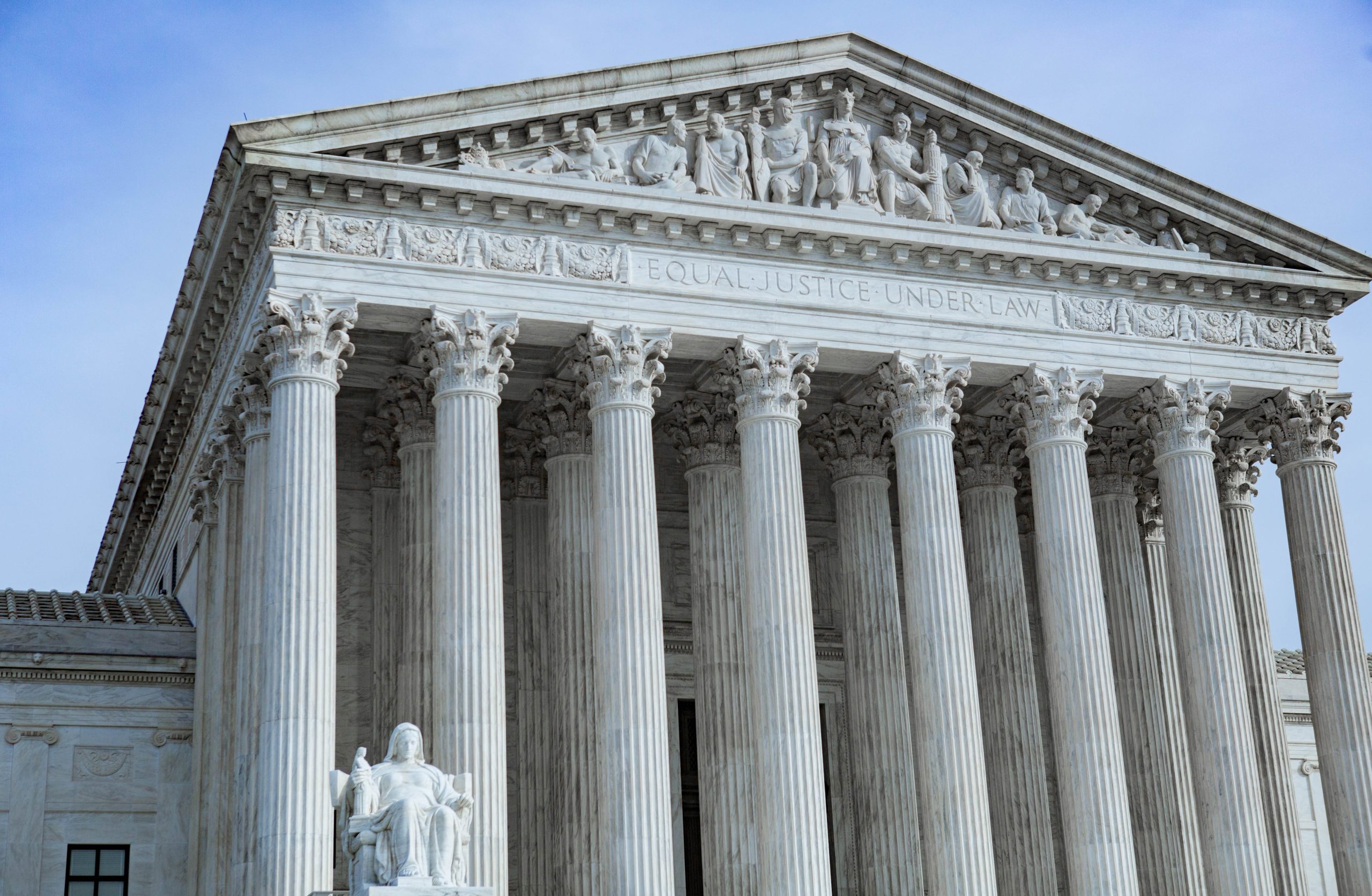
The ruling came in a 6-3 split, a familiar divide in high-profile immigration disputes. The order did not function like a full merits decision after months of briefing and argument. It came through the court’s emergency process, where the justices decide whether a lower court ruling should remain in effect while litigation continues.
That distinction matters. The administration gained immediate practical authority to proceed, but the broader legal questions around the TPS termination can still continue in lower courts. For people covered by the program, though, an emergency order can feel just as consequential as a final one.
The TPS fight underneath
Temporary Protected Status is a form of humanitarian protection created by Congress for people whose home countries are considered unsafe because of armed conflict, natural disaster or other extraordinary conditions. It can allow eligible people to live and work legally in the United States for a limited period.
TPS is not supposed to be permanent. That point is central to the Trump administration’s argument. DHS officials have said prior administrations stretched the program beyond its temporary purpose and turned it into what they view as a substitute for broader immigration relief.
Immigrant advocates see it differently. They argue many TPS holders have lived in the United States for years, built families and jobs here, and could face serious danger or instability if forced to return. Venezuelans, in particular, have been at the center of U.S. migration debates because of political turmoil, economic collapse and displacement tied to conditions in Venezuela.
The Supreme Court order does not resolve that policy dispute. It decides who gets to act first while the legal fight plays out: the administration, which wants to cancel the protection, or the lower court, which had paused that move.
Why California’s order mattered
The lower court order came from the Northern District of California, where U.S. District Judge Edward Chen had moved to pause the administration’s TPS cancellation. According to DHS, Chen had acted once in March and again in September before the Supreme Court blocked the lower court’s ruling.
For the Trump administration, that lower court order was an obstacle to one of its clearest immigration priorities: narrowing programs that allow large groups of noncitizens to remain in the country outside the ordinary visa and asylum systems. For challengers, the lower court’s pause was a safeguard against abrupt policy change affecting hundreds of thousands of people.
This is why the venue matters. Federal district courts can have enormous influence over national immigration policy when they issue orders that stop an administration from acting. The Supreme Court has become increasingly important in deciding whether those lower court orders can stand while cases move through the system.
The administration and its allies often describe such district court interventions as judicial overreach. Opponents argue that courts are doing their job when agencies move too quickly, ignore required procedures or fail to account for reliance interests created by earlier government decisions.
Trump’s broader immigration agenda
The ruling fits into a wider effort by Trump to reassert executive control over immigration policy. TPS is one piece of that effort, but it carries outsize political and practical weight because it affects large populations at once.
DHS said the Venezuelan TPS ruling follows other legal victories tied to efforts to scale back TPS protections for countries including Honduras, Nicaragua and Nepal. That broader pattern signals that the administration is not treating this as a one-off dispute, but as part of a wider rollback.
The administration’s message is straightforward: temporary programs should end when officials decide the legal conditions no longer justify them. Assistant Secretary Tricia McLaughlin, quoted in the DHS release, said the administration believes the ruling supports Trump’s effort to make immigration policy serve U.S. citizens and public safety.
Critics are likely to focus on a different question: whether the government is fairly assessing country conditions and the real-world consequences for people who have relied on lawful work authorization for years. That tension — statutory temporariness versus settled life in the United States — is the core conflict behind many TPS fights.
The stakes for Venezuelan families
For the more than 300,000 Venezuelans affected, the ruling is not just about a legal doctrine or agency authority. TPS can determine whether someone can work legally, keep a driver’s license, maintain housing or avoid removal from the United States.
Losing TPS does not necessarily mean every affected person is immediately deported. Some may have pending asylum claims, family-based petitions, other immigration applications or separate legal defenses. Others may have few options once work authorization and protection from removal lapse.
That uneven impact is part of what makes TPS litigation so consequential. A single court order can change the legal posture of hundreds of thousands of people, but the outcome for each household may depend on individual immigration history, state rules, employer practices and future agency guidance.
The Trump administration views that scale as proof the program grew too large and too durable. Advocates view the same scale as evidence that a sudden end could destabilize families, employers and communities far beyond the courthouse.
What remains unresolved
The Supreme Court’s ruling gives Trump a major immigration win, but it does not answer every question. The underlying litigation can still continue, and future court filings may test whether the administration followed the right procedures and adequately justified its decision.
The practical timeline also remains important. Affected Venezuelans will need to watch for formal DHS notices, work authorization instructions and any additional court orders. Employers, schools and local governments may also face confusion if legal status changes faster than administrative systems can adapt.
The larger signal is already clear. The Supreme Court is again playing a decisive role in how quickly presidential immigration policy can take effect, especially when lower courts try to halt it. For Trump, the October 3 order strengthens his hand. For TPS holders, it brings a new round of uncertainty with immediate consequences.
The case is a reminder that immigration policy is now often made in two places at once: inside federal agencies and on the Supreme Court’s emergency docket. When those two forces align, the effects can reach hundreds of thousands of people before the final legal word is ever written.





Leave a Reply