
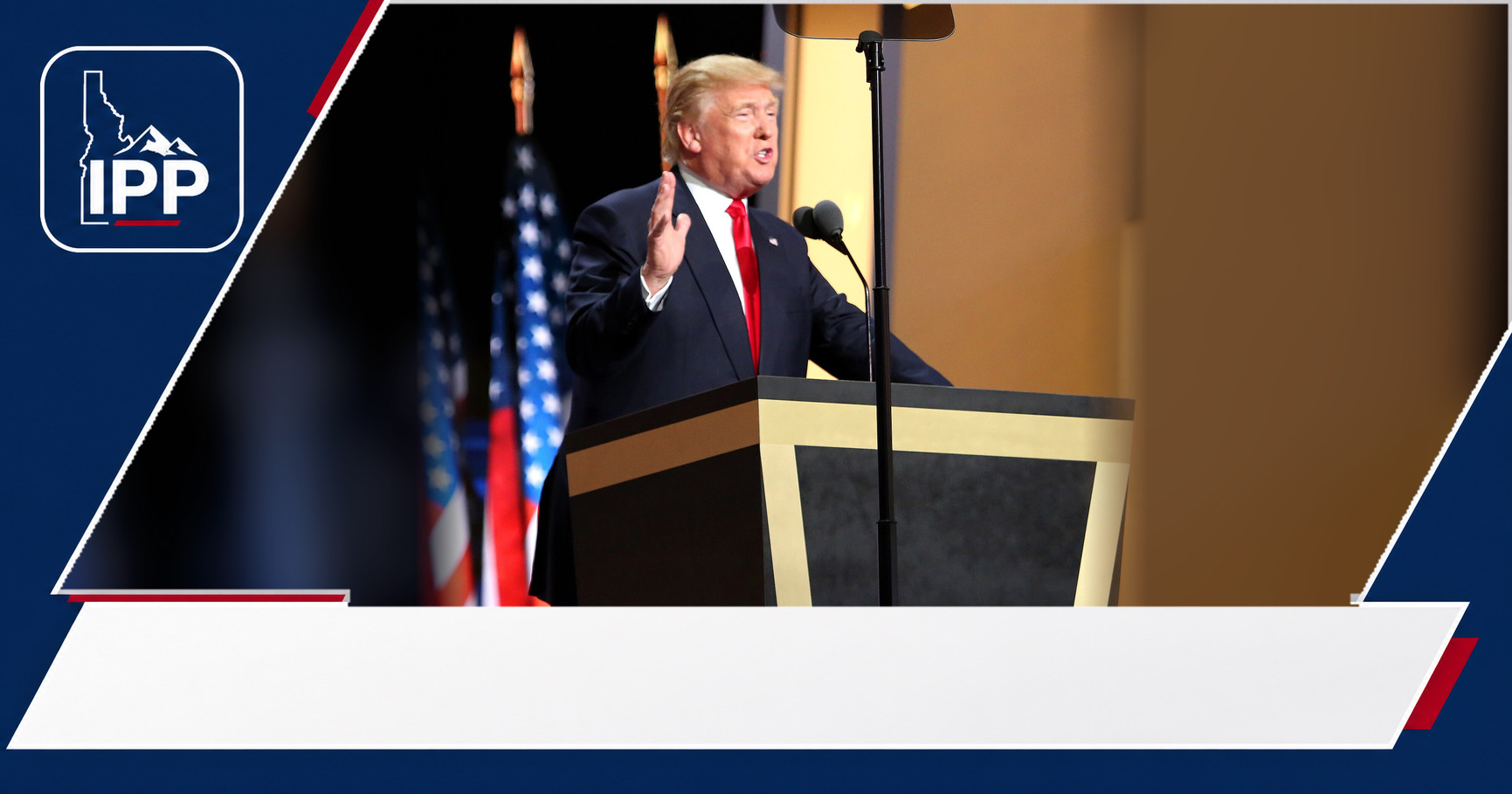
The key dispute is not just whether Trump pressured Ukraine, but whether that conduct meets the constitutional standard for removal. The Senate trial will test both the evidence and the politics around presidential power.
Donald Trump faces a new impeachment charge, and the Democratic-led U.S. House of Representatives is preparing to send formal impeachment charges to the Senate as early as next week. The leading charge in Trump’s next impeachment case is abuse of power: Democrats say Trump used the presidency to pressure Ukraine for political investigations, then resisted Congress’s inquiry.
That matters because the transfer turns a House accusation into a Senate trial. The case is no longer only about what Trump did with Ukraine. It is also about how far Congress can go in policing presidential conduct before voters, courts and senators pull in different directions.
Abuse of power leads
The central allegation is that Trump abused the power of his office by soliciting help from Ukraine in a way Democrats framed as serving his personal political interests rather than the national interest. A House report hosted on the official congressional document repository described the inquiry as focused on Trump’s alleged corrupt solicitation of the Government of Ukraine.

That phrasing is important. Democrats did not present the case as a narrow foreign-policy disagreement or a routine diplomatic fight. They argued that the president used official leverage connected to Ukraine to seek investigations that could benefit him politically.
The House case also included an obstruction-of-Congress charge. But the abuse-of-power article carried the broader constitutional claim: that a president can commit an impeachable offense by misusing lawful authority for improper personal gain, even when the conduct does not fit neatly into an ordinary criminal statute.
Reuters reported that the Democratic-led House was expected to send the formal charges to the Senate as early as next week. That step would start the next phase: a trial controlled by Senate rules, not House investigators.
Why Ukraine is central
Ukraine sits at the center of the case because the House inquiry examined whether Trump sought investigations involving political rivals while Ukraine was dependent on U.S. support and attention. Democrats treated that alleged pressure campaign as the core evidence of abuse.
The official House materials tied the impeachment inquiry to Trump’s dealings with the Ukrainian government. The underlying argument was that presidential power over diplomacy and security assistance cannot be used as a bargaining chip for domestic political advantage.
Republicans rejected that framing. They argued that Democrats were stretching impeachment beyond its proper limits and trying to punish a president over disputed motives, policy choices and political hostility. Trump denied wrongdoing, and his defenders said the evidence did not justify removal.
That divide is why the charge is significant. The fight is less about whether Congress can dislike a president’s conduct and more about whether it can declare that conduct a constitutional abuse serious enough to trigger a Senate trial.
Two articles, different risks
The House case can be understood through two linked accusations:
- Abuse of power: Democrats alleged Trump used the presidency to pressure Ukraine for investigations that could help him politically.
- Obstruction of Congress: Democrats alleged Trump impeded the House inquiry by resisting demands for testimony and documents.
The abuse-of-power charge is the political heart of the matter. It asks senators to judge the president’s purpose and whether his use of official authority crossed a constitutional line.
The obstruction charge raises a separate institutional question: whether a president can broadly refuse cooperation with an impeachment inquiry. Congress.gov’s record of the December 2019 House Judiciary proceedings shows Democrats presenting obstruction as part of the case, while Republicans challenged the process and the strength of the evidence.
Together, the two articles create a larger confrontation between the presidency and Congress. One charge concerns the alleged misuse of power abroad. The other concerns resistance to investigation at home.
The Senate changes everything
Once the House sends impeachment articles to the Senate, the story shifts from investigation to judgment. The House prosecutes the case through managers, the Senate sets the trial framework, and senators decide whether the allegations justify conviction and removal.
The Senate is not a courtroom in the ordinary sense. Impeachment is a constitutional process with legal features, political consequences and a high bar for conviction. That means evidence matters, but so do party alignments, public opinion and senators’ views of presidential authority.
This is why timing matters. The Reuters report that charges could go to the Senate as early as next week signaled the end of one stage and the start of another. Democrats would lose control of the schedule and many tactical decisions once the case crossed the Capitol.
For Trump, the Senate phase offered a different battlefield. The House had already approved the charges, but removal would require a far broader coalition in the Senate than a simple House majority.
Competing constitutional stories
Democrats’ argument rests on a warning: if a president can use foreign policy tools to seek political help, then the presidency gains a dangerous shield. Under that view, impeachment exists precisely for abuses that threaten elections, national security or Congress’s ability to check executive power.
Republicans’ counterargument rests on a different warning: if Congress can impeach over disputed intent and contested policy conduct, impeachment becomes a partisan weapon. Under that view, elections, not removal, should decide political grievances unless there is clearer proof of a grave offense.
Both arguments reach beyond Trump. They affect how future Congresses may investigate presidents, how presidents respond to subpoenas, and how much deference the Senate gives the House when impeachment is driven by one party.
The unresolved question is where the constitutional line sits. Abuse of power is not a minor accusation, but it is also not self-defining. Senators have to decide whether the conduct alleged by the House meets the standard for removing a president from office.
What remains unclear
The next step is procedural but consequential: transmission of the articles to the Senate. Until trial rules are settled, key questions remain open, including how evidence will be presented, whether witnesses will be called and how long the proceedings will last.
The House’s theory is now clear enough: abuse of power is the leading charge, with obstruction of Congress reinforcing the claim that Trump resisted accountability. The defense is also clear enough: Trump and his allies argue the case is politically driven and constitutionally weak.
What the Senate does with those competing claims will decide the immediate outcome. But the larger significance is already visible. This impeachment fight tests whether Congress can treat a president’s alleged use of foreign-policy power for personal political benefit as a removable offense.
That is why the leading charge matters. It is not just a label attached to a partisan fight. It is the constitutional theory at the center of the case now moving from the House to the Senate.









Leave a Reply