
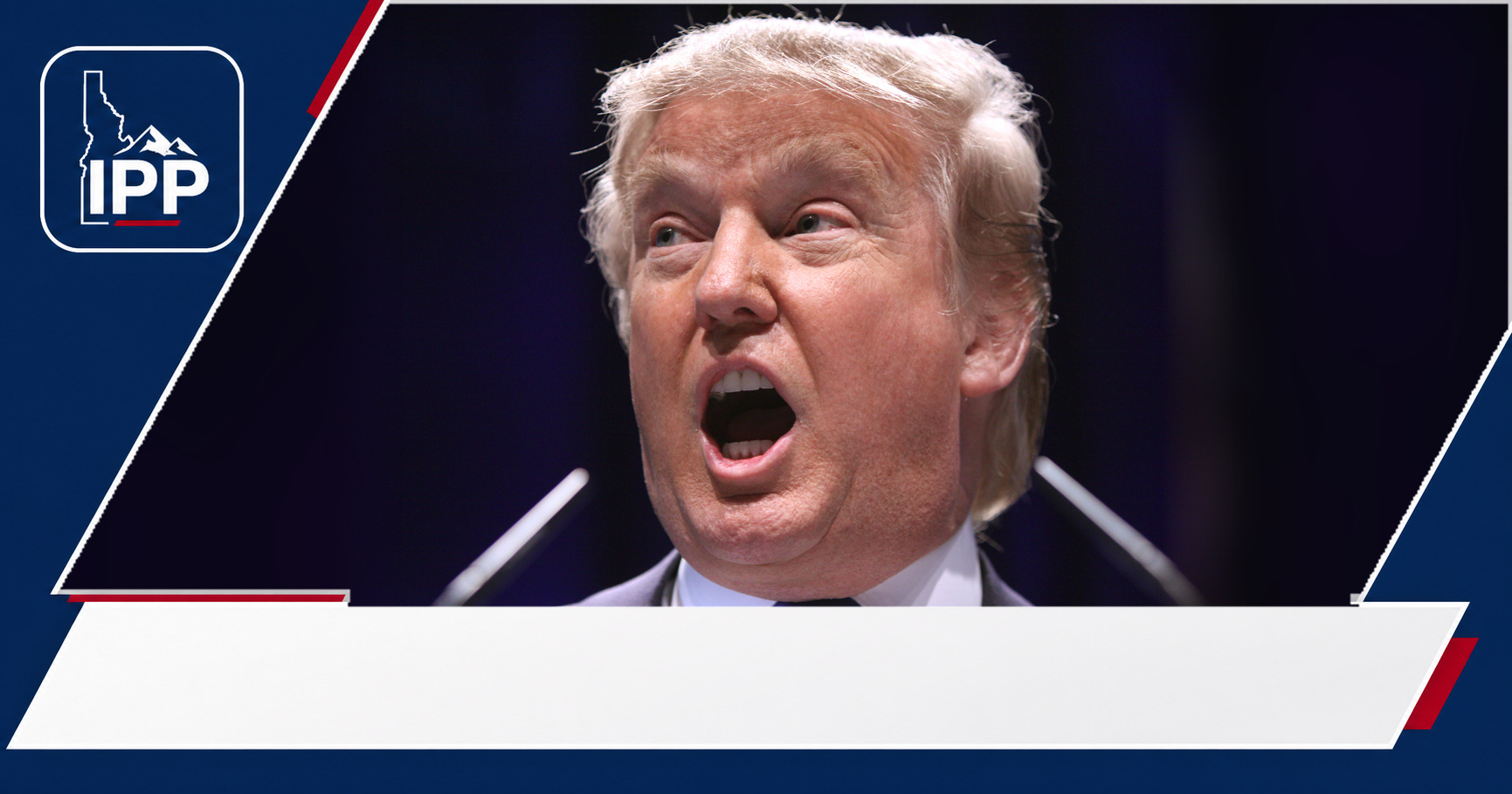
The remarks put Trump in a public fight with an industry he has often courted. The pressure campaign also raises a familiar question: how much control do oil companies really have over prices at the pump?
Donald Trump criticized major oil companies for making too much money on Monday, singling out Chevron and ExxonMobil and saying they should return some profits to the public while pushing them to lower gasoline prices for U.S. consumers. The attack matters because Trump is trying to pin high pump prices in the United States on oil-company profits, not just global crude markets, refining costs or taxes.
It was a striking turn from a politician who has often aligned himself with domestic energy producers. Now he is using public pressure against some of the biggest names in oil, turning gasoline prices into a test of whether corporate profits should translate into relief at the pump.
A profits fight at the pump
The Wall Street Journal reported that Trump said Chevron and ExxonMobil were “making too much money” and should return some of their profits to the public. Reuters reported that he again called on oil companies to lower gasoline prices for U.S. consumers on Monday and chided Chevron’s chief executive.
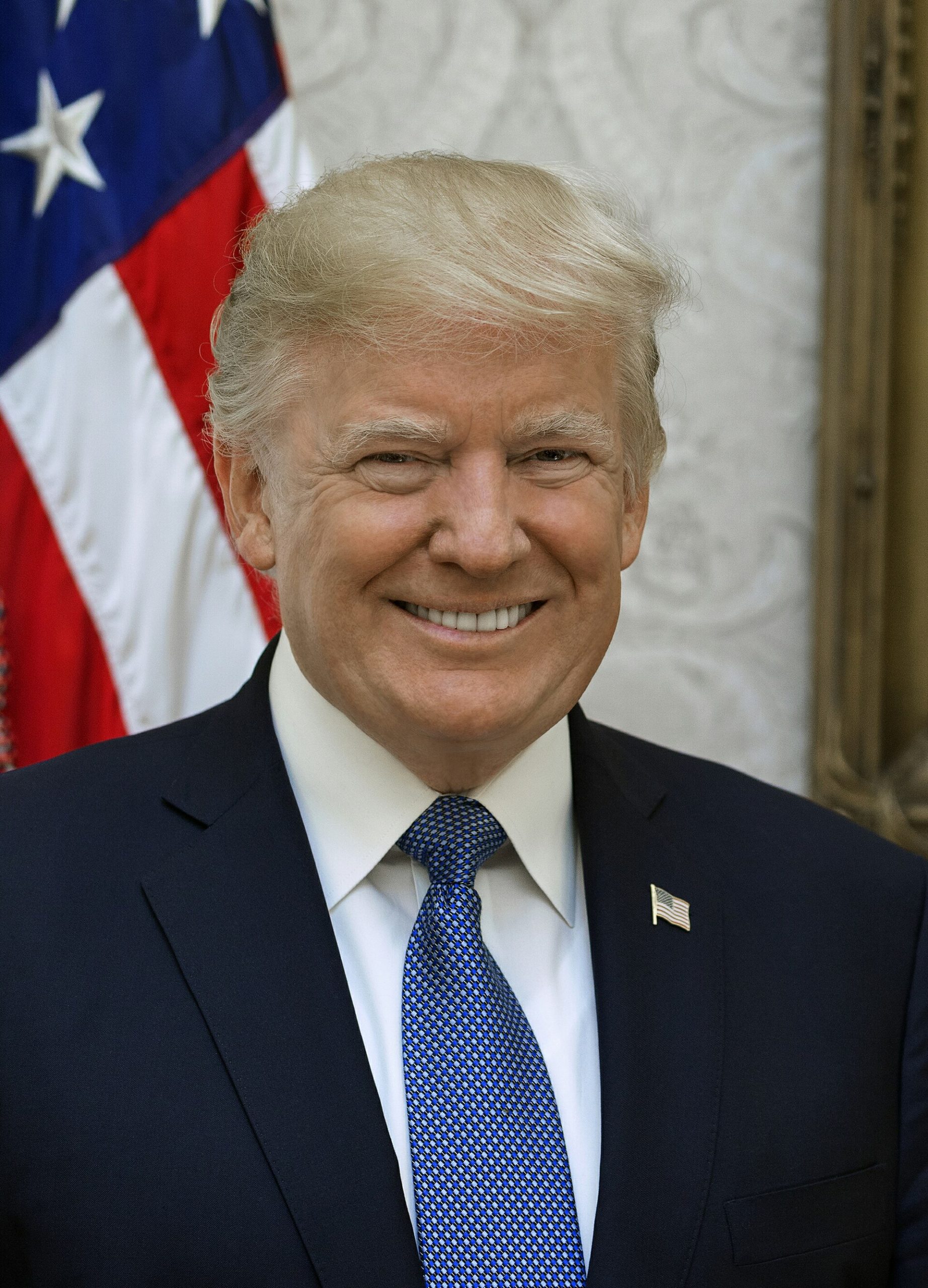
The remarks fit a broader political pattern: when gasoline prices become a household irritant, presidents look for a visible target. Oil companies are easy to name, especially when they report large profits while drivers are still paying more than they think they should.
Trump’s argument is simple and politically potent. If oil prices have eased, he says, consumers should see more of that relief at the pump. If they are not seeing it quickly enough, he is suggesting that corporate margins deserve scrutiny.
That message is designed for drivers, not energy analysts. Gasoline prices are one of the few economic indicators Americans see in giant numbers several times a week, and even small changes can shape how voters feel about inflation, wages and the broader economy.
Why gas prices lag oil
The hardest part of Trump’s claim is the relationship between crude oil and retail gasoline. Crude is a major input, but it is not the whole price. Refining capacity, inventories, transportation, blending requirements, taxes and retail competition all affect what drivers pay.
The American Petroleum Institute, the U.S. oil and gas industry’s main trade group, has argued in response to similar criticism that fuel prices do not move in lockstep with crude oil. That is a key industry defense: oil may fall on global markets, but pump prices can take time to follow, and sometimes other costs move in the opposite direction.
There is also a timing problem. Gasoline in underground tanks was often purchased before the latest market move. Stations may lower prices more slowly when wholesale costs fall and raise them quickly when replacement costs rise, a pattern that has long frustrated consumers and politicians alike.
None of that means profits are irrelevant. Refining margins can widen. Supply disruptions can give companies more pricing power. Regional markets can behave differently. But the path from a barrel of oil to a gallon of gasoline is messy enough that any one-sentence explanation is usually incomplete.
An unusual target for Trump
Trump has spent much of his political career presenting himself as a champion of fossil-fuel production, deregulation and domestic drilling. That makes his attack on big oil companies notable. He is not criticizing oil as an industry; he is criticizing the profits and pricing behavior of specific corporate giants.
That distinction matters. Trump can argue for more energy production while also accusing major companies of not passing enough savings to consumers. It lets him keep a pro-drilling posture while taking a populist swing at corporate executives.
The politics are familiar but awkward. Republicans have generally been friendlier to oil companies than Democrats, while Democrats have more often accused the industry of price gouging or profiteering. Trump’s comments blur that line by treating gasoline prices as a consumer-relief issue first and an industry-policy issue second.
For Chevron, ExxonMobil and other large energy companies, the risk is reputational as much as regulatory. A president calling out profits can put pressure on executives even without an immediate policy change, especially when consumer anger over fuel costs is already high.
Industry pushback is ready
Oil companies and their trade groups are likely to emphasize the forces they do not control. Global supply shocks, wars, refinery outages, seasonal fuel blends and state-by-state taxes can all affect pump prices. So can demand: summer driving seasons and regional shortages often matter more than a national political speech.
The BBC previously reported that Trump accused major energy companies of gouging drivers after wholesale oil prices fell, and that API said the industry shared the goal of relief at the pump while warning that conflict and supply conditions were still affecting refining and inventories. That response captures the industry’s basic posture: sympathy for consumers, resistance to blame.
Companies also have shareholders to answer to. Returning profits “to the public,” as Trump suggested, is a political phrase rather than a clear corporate mechanism. Firms can lower prices where they operate retail networks, invest in supply, buy back shares, pay dividends or face taxes and investigations. Those are very different routes with very different effects.
The unresolved question is whether Trump is threatening policy action or primarily applying public pressure. A call for lower prices can be a warning shot, a negotiating tactic or a campaign-style message aimed at consumers who feel squeezed.
What cheaper gas would require
For drivers to see a sustained drop, several things usually need to happen at once. Crude prices have to remain lower, refineries need to keep running smoothly, inventories need to be adequate, and wholesale price declines need to flow through to retail stations.
There are several possible pressure points:
- More supply: Higher crude production or increased imports can ease pressure, but it takes time and depends on global markets.
- Refining capacity: Even when crude is cheaper, limited refining capacity can keep gasoline prices elevated.
- Market scrutiny: Investigations can examine whether companies manipulated prices, though proving misconduct is difficult.
- Consumer competition: In areas with more station-to-station competition, price drops may reach drivers faster.
Trump’s demand skips over many of those steps and focuses on corporate choice. That is why it resonates politically. It frames gasoline prices as something powerful companies could lower if they wanted to.
The counterargument is that companies do not set one national gasoline price. Markets do. But markets are made of companies, and when profits are high, the public often expects those companies to explain why drivers are not feeling more relief.
What remains unclear
The biggest unknown is whether Trump’s comments will lead to action. Public criticism alone can move headlines, but changing pump prices usually requires market shifts, regulatory steps or both. Reuters’ report that he called on oil companies to lower prices shows the demand; it does not establish that companies will comply.
It is also unclear what “return some profits to the public” would mean in practice. A windfall tax, voluntary price cuts, rebates, expanded drilling, refinery investment and antitrust scrutiny are all different ideas. Trump’s reported remarks did not settle which path he favors.
For now, the politics are clearer than the policy. Trump is telling voters that Chevron, ExxonMobil and other oil companies have made too much money while Americans pay too much for gasoline. The industry is likely to answer that pump prices are shaped by a chain of costs and disruptions, not a single executive decision.
The tension is the story. Gas prices are both an economic reality and a political symbol. Trump’s attack puts big oil on defense, but it also raises a test for him: if he says oil companies can make gasoline cheaper, voters may expect him to prove it.





Leave a Reply