
The dispute is about more than Indiana’s congressional lines. It shows how pressure for an advantage in the 2026 House elections is testing party unity and the limits of presidential influence in Republican-led states.
Donald Trump is escalating a dispute with GOP senators in Indiana after the Republican-controlled state Senate said it would not take up a new congressional map. Trump is setting up a political showdown by backing primary challenges against Indiana Republicans who resist redistricting, refusing to let go of an issue he sees as central to protecting a Republican-held House in 2026.
The immediate fight concerns state lawmakers, not U.S. senators. But it matters beyond Indiana because both parties are weighing unusual mid-cycle map changes that could shape the next congressional elections.
Indiana Senate resistance triggered Trump
Indiana’s existing congressional map was drawn after the 2020 census, as is typical under the once-a-decade redistricting process. The new push would redraw districts before the next census, with the stated goal of improving Republicans’ electoral position.
According to The New York Times, the proposal appeared to stall when Rodric Bray, the Republican president pro tempore of the Indiana Senate, said the chamber did not have the votes to pass new boundaries.
That public assessment put Senate Republicans in direct conflict with Trump’s effort. The disagreement is not over whether Indiana Republicans want to keep control of the U.S. House; Bray said his caucus does. The divide is over whether redrawing congressional lines in the middle of a decade is the right way to pursue that goal.
Trump raised the cost of dissent
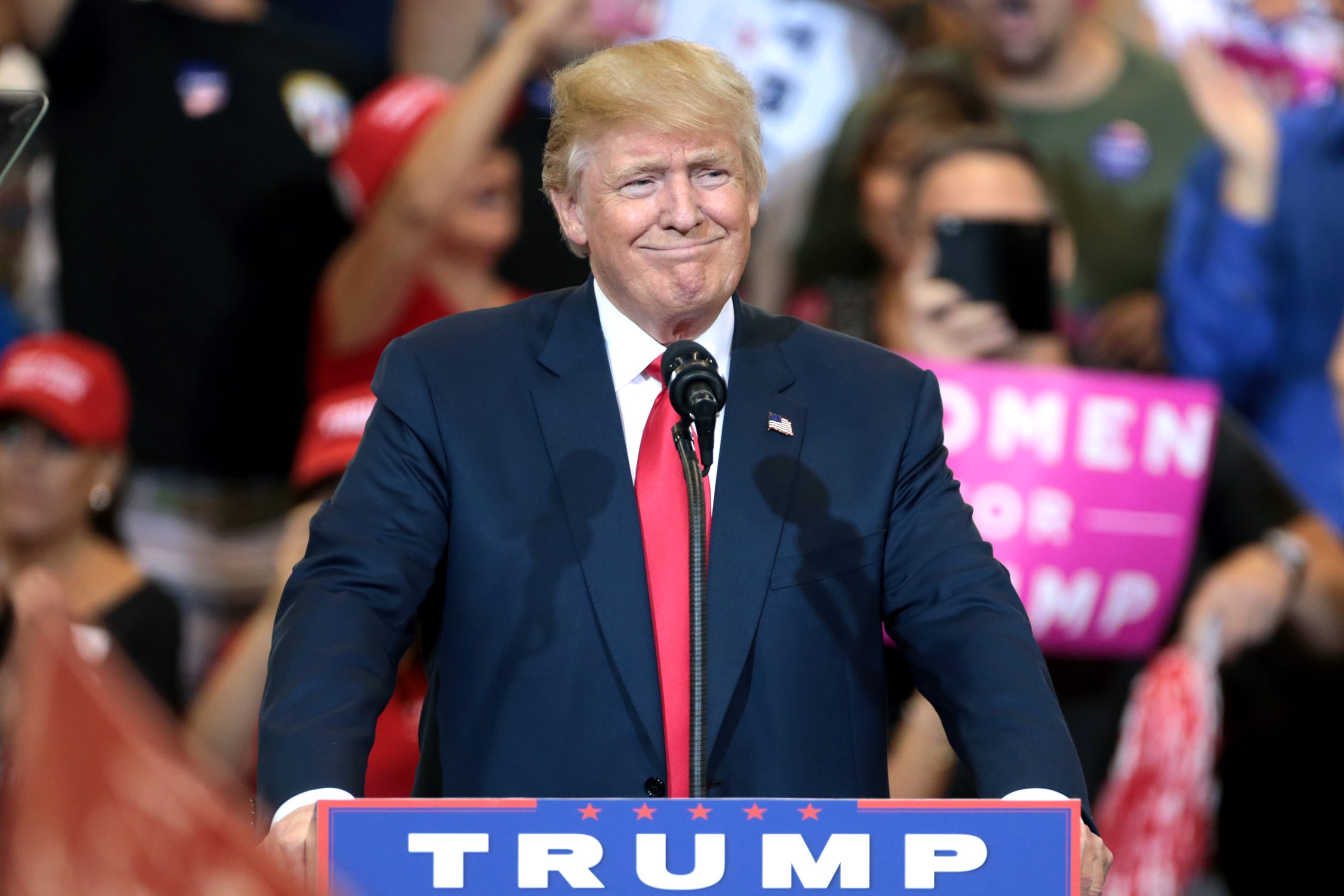
Trump responded by moving the disagreement from an internal legislative dispute into a loyalty test. In social-media posts cited by the Times, he said Republicans who vote against the redistricting effort should face primary challenges.
He also singled out Bray and another state senator, calling them “RINOs,” shorthand for Republicans in name only. The tactic is familiar: use the prospect of a Trump-backed challenger to make resistance politically costly in a party where his endorsement can carry substantial weight.
Indiana Gov. Mike Braun, a Republican, said he would support Trump’s efforts to recruit, endorse and finance primary challengers, according to the report. That places the governor closer to the White House’s position than the Senate leadership, despite unified Republican control of state government.
This is a state fight with national stakes
Congressional districts are drawn by states, subject to federal and state legal rules. That means a president cannot simply order Indiana to adopt a new map. Trump’s leverage is political: public pressure, endorsements, fundraising help and the threat of involvement in Republican primaries.
His argument rests on the narrow margins that can decide control of the House. A district that becomes more favorable to one party can affect the national balance of power, especially in a closely divided chamber.
Supporters of the Indiana effort have framed it as a response to partisan mapmaking elsewhere. Braun and other Republicans have argued that redistricting Indiana could counter Democratic advantages created through maps in other states, according to the Times.
Critics, including Republicans wary of the plan, see a different risk: changing lines mid-cycle can deepen distrust in elections and invite a retaliatory race among states to redraw maps whenever political conditions change.
The debate is not simply partisan
Partisan gerrymandering has long been a feature of American redistricting, and neither major party has a clean record. The fight in Indiana highlights a separate question: whether a state should reopen a map that was already enacted following the census because national political incentives have changed.
Backers can argue that lawmakers have the legal and political authority to revisit districts and should use every available tool to compete. Opponents can argue that frequent remapping weakens stable representation, disrupts relationships between voters and their districts, and puts incumbent protection above public confidence.
There are also practical limits. A proposed map must be drafted, approved by both legislative chambers and signed by the governor, unless a veto is overridden. It may also face court challenges depending on its design and the claims brought against it.
Indiana Republicans face a hard choice
For Senate Republicans, the dispute creates competing pressures. Defying Trump could bring a costly primary fight. Yielding could require lawmakers to reverse a position that some have described as principled, strategically unnecessary or both.
Bray’s statement, as reported by the Times, tried to separate the policy dispute from a broader break with Trump. He said Senate Republicans wanted to preserve a Republican House majority and support Trump’s agenda, while maintaining that a mid-cycle redraw was not the best route.
That distinction may be difficult to sustain if Trump continues to frame the map as an essential national priority. Once an internal disagreement is cast as a referendum on party loyalty, room for procedural caution shrinks.
What remains unresolved
It was not clear from the reporting whether Indiana Senate leaders would revisit the proposal, whether enough votes could be assembled for a new map, or which lawmakers might draw Trump-backed challengers.
The larger uncertainty is whether Indiana becomes an isolated confrontation or a model for broader off-cycle redistricting campaigns ahead of 2026. The outcome will turn on state-level votes, but Trump’s response makes clear that those votes are being watched through a national political lens.
The takeaway: Trump’s pressure campaign is aimed at Indiana Republicans, yet the underlying conflict is about how aggressively parties should use state mapmaking power to influence Congress before the next election.







Leave a Reply