
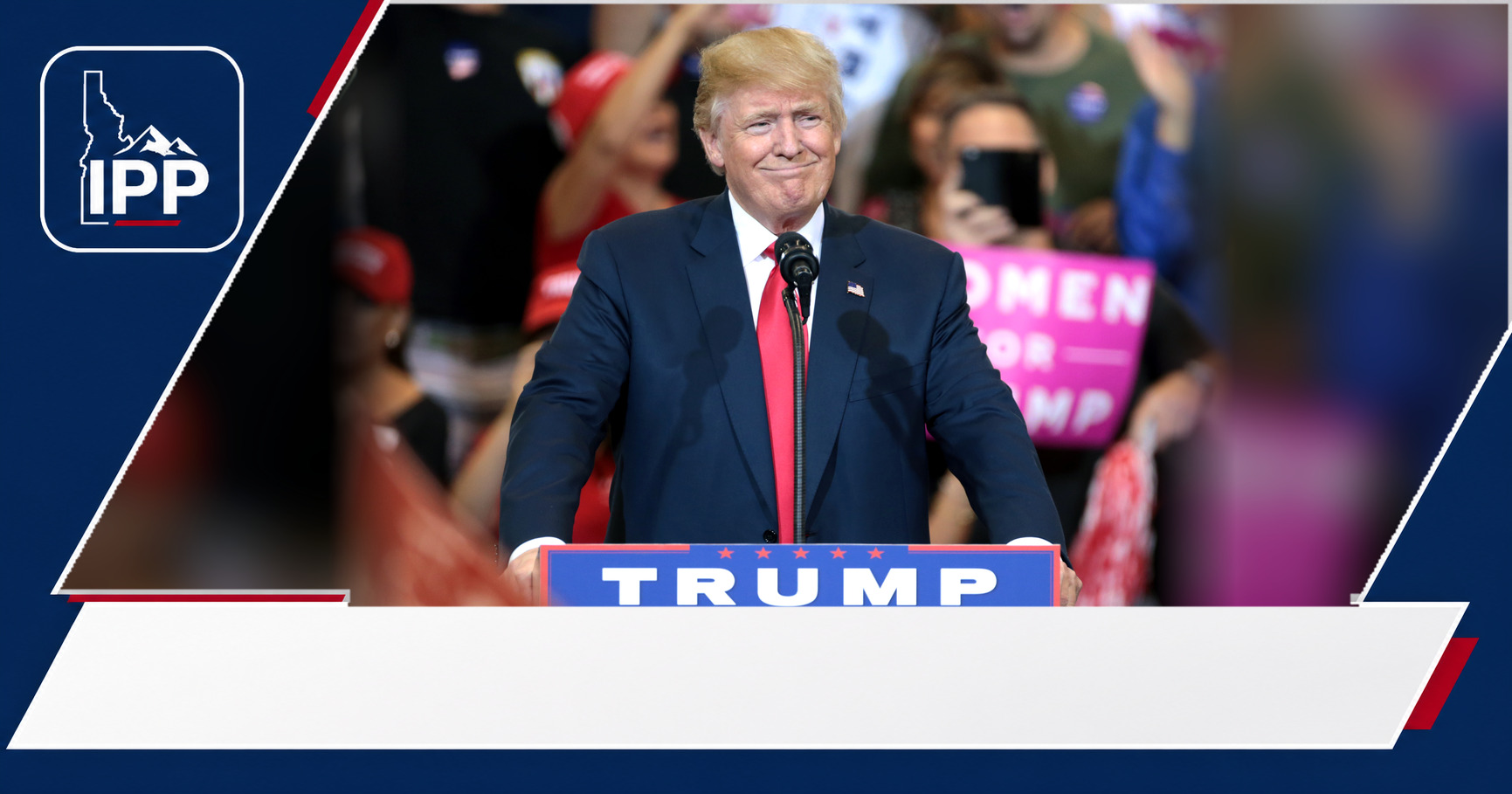
Trump’s response to a court-ordered construction halt frames a dispute over more than a ballroom: the limits of presidential control over the White House and the role of Congress and courts in checking it.
Donald Trump told judges on August 7, 2026, “We are not tenants … we are presidents,” as he asserted that elected presidents should have authority judges cannot control. Trump said he would ask the Supreme Court to allow White House ballroom construction to resume after an appeals court halted the project.
The dispute over Trump’s authority to build the ballroom is now a test of competing views of presidential power. The immediate question is whether work can continue without Congress’s approval; the larger argument is how far courts may go in enforcing limits on a president.
Trump’s message after the halt
Trump’s statement came after an appeals court ruled that construction must stop while the administration seeks congressional authorization for the project, according to reporting by The Washington Post.
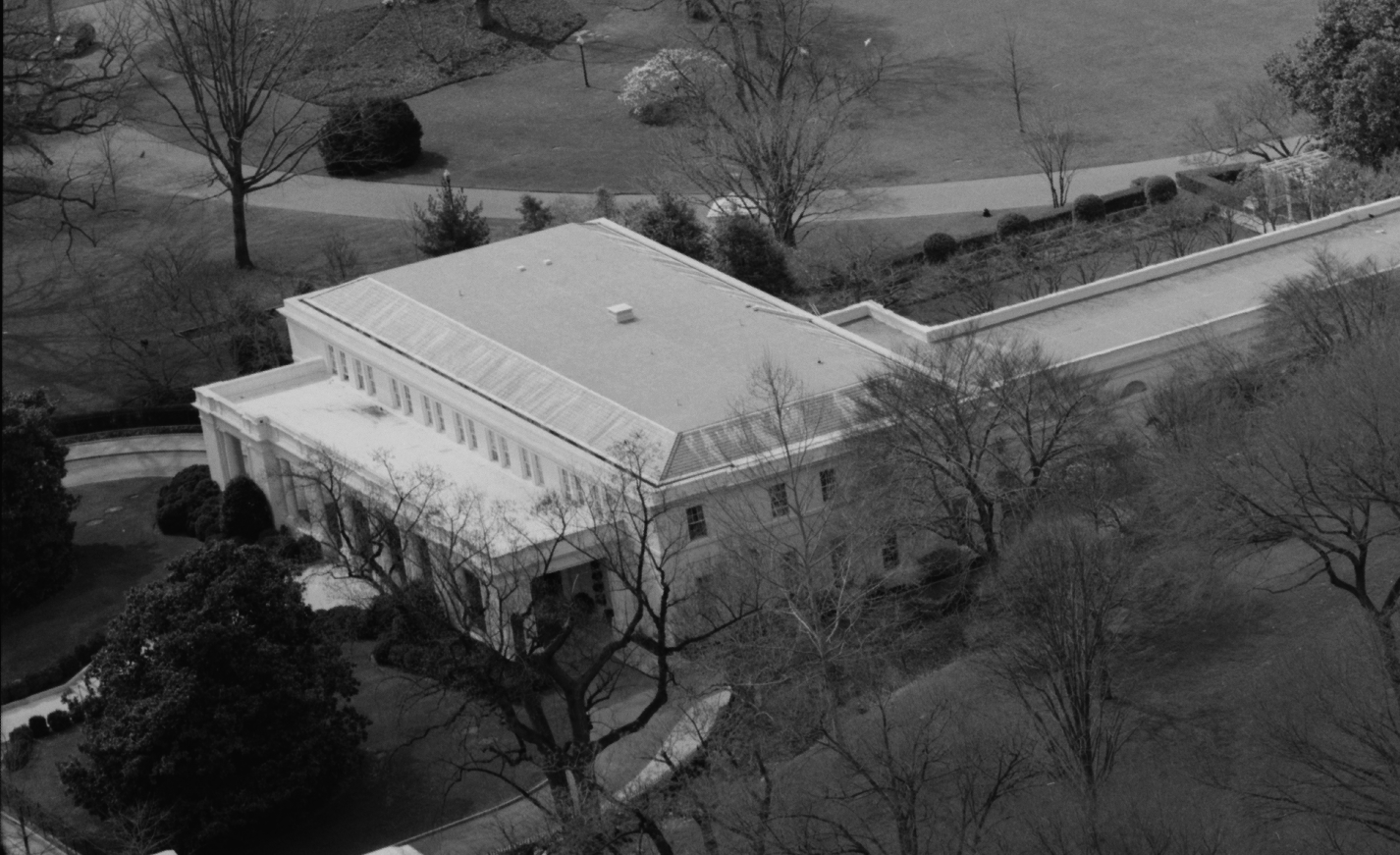
The court’s ruling focused on the White House ballroom project itself, including the demolition of part of the mansion and the start of construction. The court concluded that Trump had exceeded his authority by proceeding without Congress’s approval, the Post reported.
Trump’s reply was not limited to a technical disagreement over permits, appropriations or building plans. His “not tenants” line presented the presidency as an office with an electoral mandate to make changes, rather than a temporary stewardship constrained by outside institutions.
A ballroom becomes a power fight
The proposed ballroom is one of Trump’s major priorities for his term, according to the Post. But the legal clash has put a highly visible White House project at the center of a familiar constitutional tension: who decides what a president may do with federal property and federal resources?
Trump’s position, as reflected in his remarks, is that a president chosen by voters should be able to act decisively. Supporters of that view may see the court’s intervention as an overly rigid obstacle to an elected executive carrying out a project at the presidential residence.
The opposing view is that the White House’s symbolism does not place it outside the normal constitutional rules. Congress has authority over federal spending and plays a central role in authorizing government action. Courts, in turn, decide legal challenges when a president is accused of crossing those boundaries.
That is why the argument is larger than the fate of a ballroom. The case raises questions about whether a president can treat a major alteration to the White House as an executive decision or must first obtain a clear legislative green light.
What the appeals court decided
The available reporting indicates that the appeals court did not issue a final judgment on every aspect of the project. It ordered construction stopped until Congress authorizes it.
That distinction matters. A halt is a significant setback for Trump’s timetable, but it does not necessarily mean the ballroom can never be built. Congress could act, the legal fight could continue, or a higher court could alter the result.
For now, the court’s order places the project in a holding pattern. It also creates a direct conflict between Trump’s claim of presidential discretion and the court’s conclusion that the administration needed congressional authorization before moving ahead.
Neither the source material provided here nor the available reporting establishes the precise terms of any future congressional action, the project’s funding path, or the full legal arguments Trump would present to the Supreme Court. Those details could shape the next stage substantially.
The Supreme Court is not yet deciding
Trump said he would take the fight to the Supreme Court. That is not the same as a Supreme Court ruling, or even confirmation that the justices will agree to hear the case.
Before the court reaches the underlying question, procedural issues could matter: what order Trump seeks to challenge, whether emergency relief is requested, and whether the justices believe immediate intervention is warranted. The Supreme Court receives many requests and chooses only a small share for full review.
If the justices do take up the dispute, the case could force a closer examination of the authority a president has over changes to the White House and the degree to which Congress must specifically approve such work.
A ruling for Trump could give the administration room to restart construction. A ruling against him, or a decision to leave the lower-court order in place, would reinforce the idea that Congress’s authorization is a required checkpoint.
Why the rhetoric matters now
Trump’s language adds a political dimension to what might otherwise look like a narrow institutional dispute. By contrasting “tenants” with “presidents,” he cast the court’s action as a challenge to the authority voters confer on a president.
Critics of that framing would argue that being elected does not eliminate checks and balances. In the U.S. system, presidents exercise substantial power, but Congress writes laws and controls appropriations while courts interpret legal limits and can block actions found unlawful.
Trump allies may counter that judicial orders can delay or prevent an administration from delivering on its agenda. The tension between those views has become especially sharp whenever a president’s actions move quickly and legal challenges follow just as quickly.
The ballroom dispute puts that debate in unusually concrete form. It is not an abstract argument about executive theory; it concerns physical work at the White House, the role of Congress in approving it, and a court order that has already stopped it.
What remains unresolved
The next major development will be whether Trump formally seeks Supreme Court intervention and what relief he requests. A filing could clarify the administration’s legal theory and how quickly it wants construction to resume.
Congress also remains central. The appeals court’s order specifically tied the pause to authorization, meaning lawmakers could affect the dispute even as litigation proceeds.
For now, Trump has made his position plain: he believes presidents should have broad authority to act. The appeals court has taken the opposite practical position in the ballroom case, requiring Congress’s involvement before the project moves forward.
That leaves the White House ballroom on hold and the broader contest over presidential power very much alive.






Leave a Reply