

El-Sayed’s refusal to retreat from a higher-tax universal health care proposal gives Republicans a clear line of attack. It also tests whether a progressive message can unite Michigan Democrats in a pivotal Senate race.
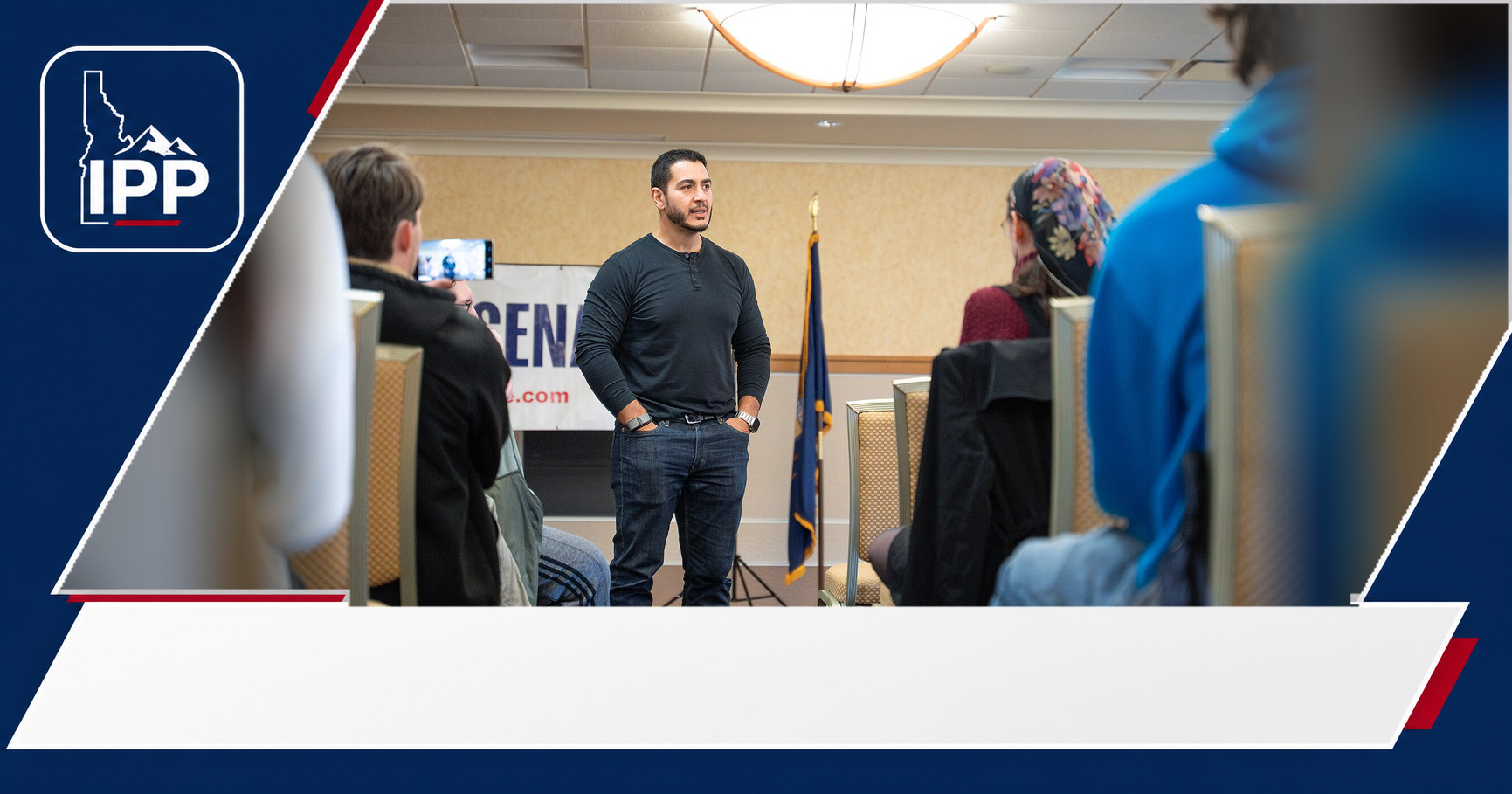
Abdul El-Sayed is defending his Medicare-for-All plan as he heads toward the upcoming Michigan midterm contest, days after a narrow Democratic Senate primary victory. The Michigan nominee says the country can guarantee health care from birth through old age, while acknowledging that the universal coverage proposal would most likely require higher taxes.
The stance immediately defines the general-election contrast with Republican Mike Rogers and poses a larger question for Democrats: can El-Sayed’s progressive coalition expand after a hard-fought primary, or will Medicare for All become the issue that lets his opponents frame the race on their terms?
A primary win sets the terms
NBC News projected El-Sayed as the winner of Michigan’s Democratic Senate primary over Rep. Haley Stevens. The race was close, and it followed a costly fight in which outside groups spent heavily and prominent state Democrats, including Gov. Gretchen Whitmer, backed Stevens.

That result matters because El-Sayed did not arrive at the general election as a consensus establishment candidate. He won as a progressive former public health official with support from prominent figures on the party’s left, including Sen. Bernie Sanders and Rep. Alexandria Ocasio-Cortez.
His campaign now faces two simultaneous tasks: keeping the voters and organizers who propelled him through the primary engaged, while convincing Stevens supporters and independents that he can represent a politically competitive state.
Stevens said after conceding that she had called El-Sayed to offer her support and would work to elect Democrats. El-Sayed, in television interviews cited by NBC News, also emphasized healing after the primary and bringing the party together against Rogers.
Why Medicare for All is central
Medicare for All is a broad label for proposals that would replace or dramatically reshape the current mix of employer insurance, private plans and public programs with government-guaranteed coverage. Specific versions vary, but the basic promise is universal access to health care without the coverage gaps and medical-bill anxiety many patients encounter today.
El-Sayed’s case for it is moral and practical. In an interview on NBC’s Meet the Press, he said Americans have an opportunity to guarantee “cradle-to-grave healthcare,” according to The Wall Street Journal.
There is also a fiscal argument embedded in the debate. A system designed to cover everyone would require a major financing change, and El-Sayed has acknowledged that it would most likely mean higher taxes. Supporters argue that taxes must be weighed against premiums, deductibles, copays and out-of-pocket bills that households already pay. Critics argue that the transition and tax burden could be enormous, particularly for workers and employers accustomed to the current system.
That distinction is likely to matter throughout the campaign. A promise of universal coverage is easy to understand; the details of what people would pay, what benefits would be covered and how a new system would be implemented are much harder to settle in a campaign sound bite.
Republicans see a potent contrast
Rogers claimed the Republican nomination without opposition, according to NBC News, giving his campaign more time to define El-Sayed before the November election. National Republicans have already signaled that they view El-Sayed as more vulnerable than a more moderate Democratic nominee might have been.
Medicare for All gives them a ready-made critique: that El-Sayed is proposing a costly expansion of federal power and asking Michigan voters to accept higher taxes for a plan with uncertain real-world consequences. The issue can be linked to wider Republican attacks on the progressive wing of the Democratic Party.
El-Sayed’s response will likely depend on making the costs of the existing system just as visible. Many Americans receive insurance through work, yet still face deductibles, changing provider networks, prescription-drug expenses or the risk of losing coverage when a job changes. For supporters, those pressures are evidence that incremental fixes are not enough.
The campaign fight, then, will not simply be over whether health care should be affordable. Both parties routinely say it should. It will be over who should bear the costs, how much disruption voters will accept and whether Washington can deliver a system as sweeping as Medicare for All.
Michigan makes the message riskier
Michigan has recently been decided by close presidential margins. President Donald Trump carried the state in 2016 and 2024, while Joe Biden won it in 2020, NBC News noted. That record makes it difficult for either party to treat the Senate contest as safely in hand.
The winner will succeed Democratic Sen. Gary Peters, who chose not to seek a third term and endorsed Stevens in the primary. With Republicans holding 53 Senate seats, Democrats must both protect competitive seats and find gains elsewhere if they hope to win control of the chamber.
That national math raises the stakes for every Michigan message. El-Sayed’s position may energize younger and more progressive voters who want a clearer break from the status quo. It could also give Rogers an opening with voters wary of a large tax increase or skeptical that a national overhaul would preserve their doctors, workplace plans or choices.
Neither outcome is automatic. Health care can be a powerful Democratic issue when debate centers on coverage losses, drug prices and access to treatment. It can become a liability when the conversation narrows to taxes, costs and government control. Which frame dominates may be as important as the policy itself.
The unity test is still ahead
El-Sayed has said he wants to unite the Democratic Party after the primary. Stevens’ public support offers an important start, but endorsements do not automatically transfer volunteers, donors or trust after a bruising contest.
For El-Sayed, maintaining support for Medicare for All may demonstrate consistency to the coalition that elected him. A retreat could have looked like a concession before the general election campaign had fully begun. At the same time, staying firm means he will need a clearer explanation of financing and transition than a broad aspiration alone can provide.
For Rogers, the opportunity is equally clear: portray El-Sayed’s health care position as evidence that he is out of step with Michigan’s middle. Whether that argument lands will depend partly on how specific Rogers is about his own approach to insurance costs, prescription drugs and access to care.
The immediate facts are straightforward: El-Sayed won the Democratic nomination, Rogers is his November opponent, and Medicare for All is not being put aside. What remains unclear is whether the proposal becomes a burden El-Sayed must defend or the organizing idea that helps him build a winning statewide coalition.
A race about more than one plan
The Medicare-for-All argument will be a test of political identity as much as policy design. El-Sayed is betting that voters will respond to an unapologetic promise of universal health care even after being told that taxes would likely rise.
His opponents will argue that the price, scale and uncertainty of the proposal outweigh its promise. Michigan voters will ultimately weigh that disagreement alongside the economy, affordability, party control of the Senate and the candidates’ competing visions for government.
For now, El-Sayed’s defense has made one thing clear: the general election will not begin with him softening the message that helped define his primary campaign.









Leave a Reply