

El-Sayed’s conversation with Obama offers an early signal of the alliances he wants to build after a tight and sometimes sharp Democratic primary. Whether those relationships translate into a unified Michigan campaign is the more consequential question.
Abdul El-Sayed spoke with Barack Obama by phone and revealed details about the call on Aug. 9, days after his narrow Aug. 4 Democratic Senate primary victory in Michigan. El-Sayed said the former president offered a warm, inspiring conversation as Michigan Democrats seek unity after a divisive contest against Rep. Haley Stevens.
The exchange matters because El-Sayed now has to turn a coalition built for a primary into one capable of competing statewide. He has made clear that he sees Obama, a two-time Michigan winner, as a potentially valuable voice in that effort.
A warm call, few details
Speaking on NBC’s Meet the Press, El-Sayed did not describe Obama’s advice in detail. He said he preferred to keep private discussions private, while characterizing the call as warm, welcoming and inspiring.
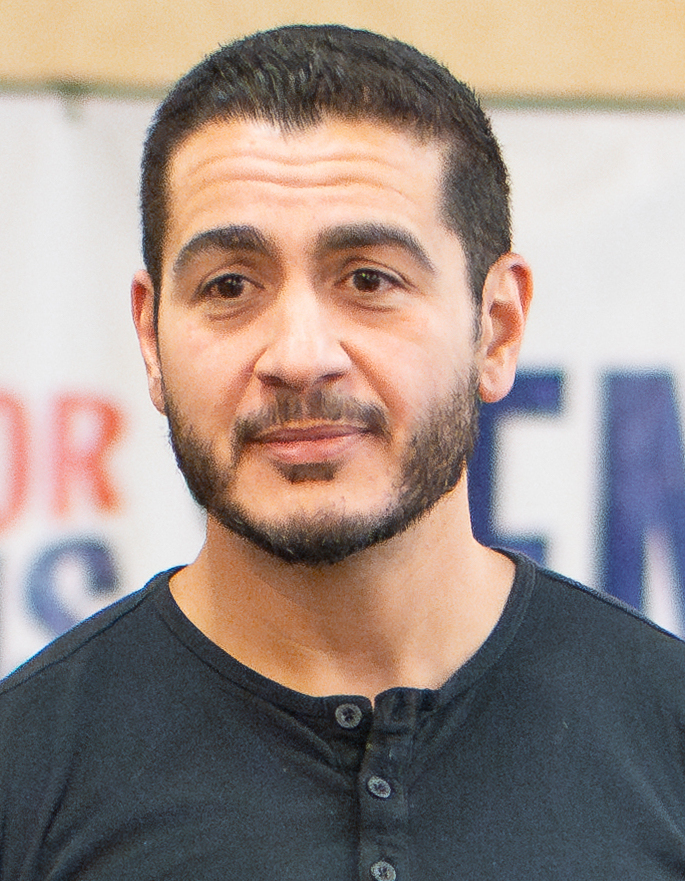
That restraint is notable. Candidates often publicize a call from a former president to demonstrate establishment acceptance after a contested race, but El-Sayed stopped short of claiming an endorsement or laying out a campaign role for Obama.
Obama did not endorse either El-Sayed or Stevens during the Democratic primary, according to USA Today. The call therefore carries more symbolic weight than formal political commitment at this stage.
Why Obama remains relevant in Michigan
El-Sayed framed Obama as someone who understands how to win Michigan. That is a pointed credential in a state whose recent presidential results have underscored its political volatility.
Obama carried Michigan in both of his presidential campaigns. Donald Trump won the state in 2016, Joe Biden carried it in 2020, and Trump won it again in 2024. For Democrats, that history makes Michigan a proving ground for turnout, persuasion and coalition management rather than a reliably blue backdrop.
El-Sayed also connected Obama’s election to his own political trajectory, saying he did not initially picture himself running for office and that watching Obama win the presidency after El-Sayed graduated from the University of Michigan shaped his outlook.
That personal connection gives the call a narrative value beyond campaign mechanics. It lets El-Sayed present himself as a candidate influenced by Obama’s rise while also representing a more progressive wing of the party.
A primary exposed real divisions
Unity will require more than a high-profile phone conversation. El-Sayed and Stevens entered the primary with different political profiles, endorsements and approaches to some of the party’s most difficult issues.
El-Sayed drew support from Sen. Bernie Sanders, Rep. Rashida Tlaib and Rep. Alexandria Ocasio-Cortez. Stevens was backed by Michigan Gov. Gretchen Whitmer and outgoing Sen. Gary Peters, reflecting a more establishment-oriented set of Democratic allies.
The candidates also differed over Israel. El-Sayed has been a strong critic of the Israeli government, while Stevens has identified herself as a Zionist. Those distinctions gave voters a substantive choice, not simply a stylistic one, and they may not disappear after the primary.
El-Sayed also faced criticism over appearances with streamer Hasan Piker, whose past remarks about the United States have drawn condemnation from critics. Supporters may view El-Sayed’s outreach as a way to engage younger and less conventional political audiences; detractors are likely to keep raising questions about the associations he chooses.
The unity test goes beyond endorsements
Democratic unity is often measured by whether a defeated candidate endorses the nominee or appears at a rally. Those moves can help, but the more demanding work is persuading voters who preferred a different candidate that their concerns still have a place in the general-election campaign.
For El-Sayed, that means maintaining the enthusiasm of the progressive coalition that helped him win while making room for voters and officials aligned with Stevens, Whitmer and Peters. A candidate can broaden a coalition without abandoning the positions that made the coalition possible, but doing so requires discipline.
Obama’s standing could be useful precisely because he has credibility across several Democratic constituencies. Still, a campaign appearance by Obama, which El-Sayed said he hopes will happen, has not been announced.
The former president’s involvement would also not erase the practical challenges of a statewide race: building local organizations, raising money, sharpening a message and responding to attacks that may target both El-Sayed’s ideology and his campaign relationships.
Michigan’s Senate race carries wider stakes
El-Sayed described Michigan as critical to holding Trump accountable, winning back the Senate and advancing Democrats’ agenda. That language places his campaign inside a broader national argument over congressional power and the direction of the party after the 2024 election.
Michigan Democrats have experience winning difficult statewide contests, but the state’s closely divided electorate leaves little room for prolonged intraparty resentment. The primary may be over, yet its alliances and disagreements will shape how convincingly El-Sayed can make a general-election appeal.
There is also an unresolved distinction between goodwill and organization. El-Sayed’s account of the Obama call suggests a cordial relationship and appreciation for advice. It does not establish whether Obama will endorse him, campaign for him, help fundraise or take any public role at all.
What to watch after the call
The clearest next signs of unity will come from Michigan Democrats closer to the race: whether Stevens campaigns for El-Sayed, how her supporters respond, and whether party leaders can align around a shared general-election message.
Obama’s potential role will draw attention, but it is only one piece of the picture. El-Sayed has made the call part of his public case that Democrats can come together after a close primary. The harder task is converting that message into a coalition broad enough to win Michigan.







Leave a Reply