
The latest fight is not just about one bill. It exposes a larger Republican fear: the party’s governing record is being overshadowed by Trump’s own interventions.
Donald Trump’s actions are alarming Republicans as the GOP tries to sharpen its pitch for the midterm elections. Trump is hurting the GOP’s midterm prospects, some Republicans fear, by undermining Republicans’ message and turning a possible governing win into another loyalty test.
The immediate flashpoint is Trump’s move against a major housing bill, which he disparaged while demanding separate voting restrictions. That has left Republican lawmakers worried that an “unthinkable” pattern is becoming routine: the party builds a midterm argument, then Trump knocks it off course.
A housing win became a test
The Republican problem is straightforward. Affordability is one of the clearest issues in the midterm campaign, and housing costs sit near the center of that conversation for many voters.
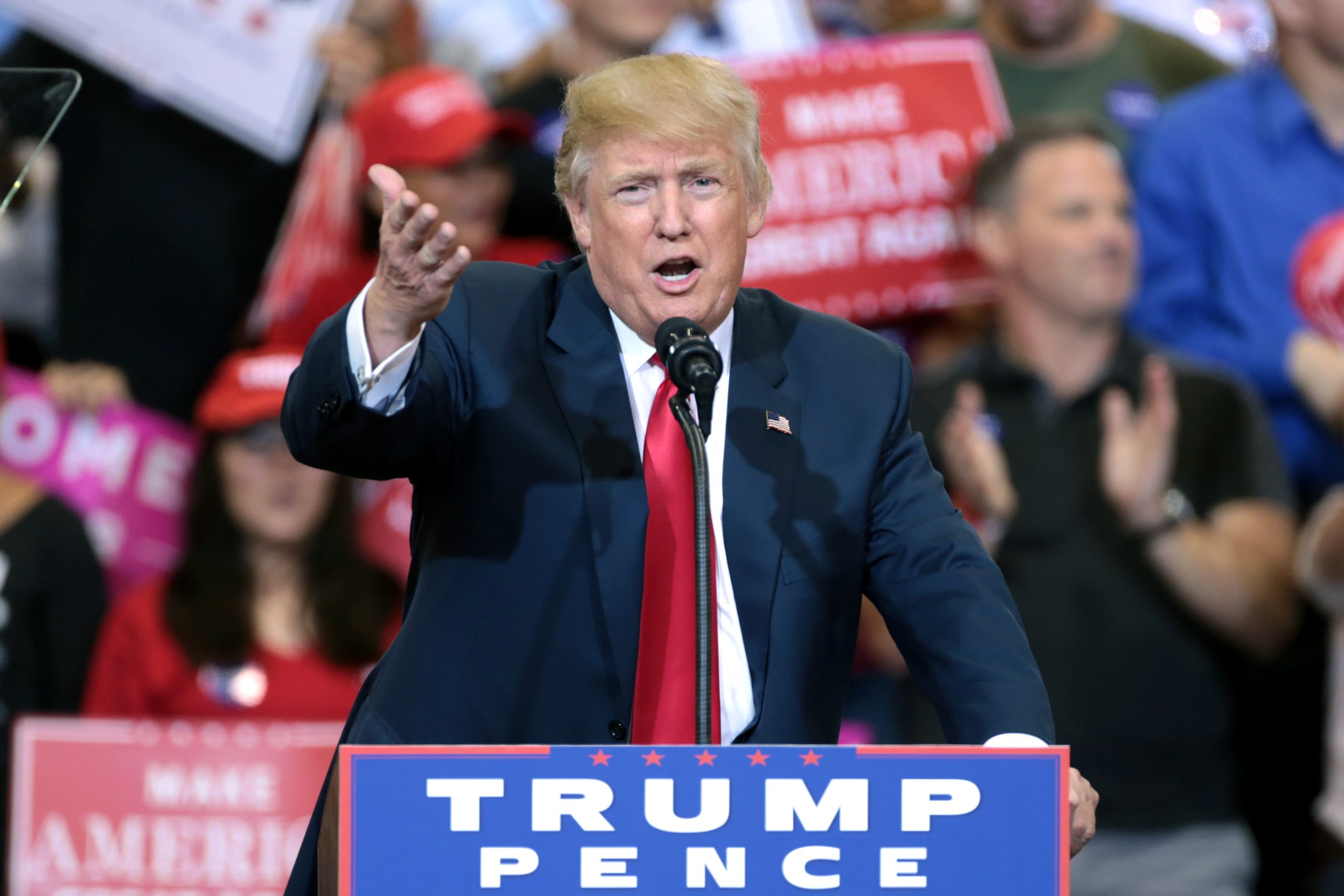
According to The New York Times, congressional Democrats had been concerned that a major housing bill could hand Republicans a useful proof point: a chance to argue that GOP control in Washington was producing tangible results on costs. Instead, Trump criticized the legislation and said he would not sign it unless he received a separate bill imposing voting restrictions.
That turned a policy win into a political jam. Republicans who wanted to point to action on housing were suddenly forced to explain why their own president was blocking or complicating the measure.
The larger worry is not merely that one bill stalled. It is that the GOP’s midterm message depends on discipline, and Trump keeps pulling the party toward fights that are harder to sell to swing voters.
Why Republicans see danger
Midterm campaigns often punish the party in power, especially when voters are dissatisfied with costs, Congress or the direction of the country. Republicans know that if they control the White House and Congress, they need more than slogans. They need evidence that unified power delivered.
That is why the housing bill mattered. It gave the party a concrete answer to a pocketbook complaint. If voters ask what Republicans did about affordability, lawmakers could have pointed to legislation rather than simply attacking Democrats.
Trump’s intervention scrambled that approach. Voting restrictions may energize parts of his base, but they do not solve the same voter problem as rent, mortgage rates or housing supply. For vulnerable Republicans, especially those in competitive states and districts, that distinction matters.
The phrase “GOP panic-stricken” may be dramatic, but the underlying tension is real: candidates want the election to be about costs, competence and Democratic weaknesses. Trump’s demands risk making it about his grievances and priorities instead.
The Senate’s stalled agenda
The Times reported that Republican senators left town until mid-July with several consequential matters unresolved, including the housing bill, a terror surveillance renewal and the nomination of a new intelligence chief. That kind of unfinished business feeds a damaging image for any majority: motion without results.
It also complicates the party’s claim to a governing trifecta. Control of Washington is valuable only if lawmakers can translate it into action. When the agenda stalls because the president changes terms or lashes out at allies, the advantage can start to look like a liability.
Republicans did move on one Trump-centered item before leaving, according to the Times: after Trump criticized them in a closed-door lunch over a resolution rebuking his handling of the Iran war, senators staged a similar floor maneuver and blocked it. The episode showed how much energy the party is spending on managing Trump’s reactions.
That is the political cost Republican strategists fear. Every day spent smoothing over a Trump dispute is a day not spent selling an economic message.
Trump’s allies see another calculation
There is a competing view inside Trump’s orbit and among many of his supporters: the president is not sabotaging Republicans but forcing them to fight on issues he believes motivate the GOP electorate. Voting rules, immigration, foreign policy posture and institutional loyalty have all been central to Trump’s political identity.
From that perspective, demanding voting restrictions in exchange for a housing bill may look like leverage, not chaos. Trump has long treated legislative negotiations as a way to extract unrelated priorities, and his supporters often reward confrontation with Washington norms.
The risk is that base politics and midterm math do not always point in the same direction. A message that excites Trump’s most loyal voters can still create headaches for Republican candidates who need independents, suburban voters or voters mainly worried about prices.
That divide is not new, but it is sharper when Republicans hold power. Opposition parties can unify around complaint. Governing parties have to deliver, and delivery requires fewer sudden detours.
Affordability is the battlefield
The housing fight lands because it touches a broader weakness for both parties: voters remain frustrated by the cost of living. Rent, home prices, insurance and interest rates have made housing a defining affordability issue across many communities.
Republicans have been trying to turn that frustration into a midterm argument. The pitch is simple: Democrats failed on prices, and Republicans can do better. But that argument works best when the party can show action rather than internal conflict.
Democrats, for their part, benefit when Republicans appear unable to govern despite holding power. A stalled housing bill lets Democrats argue that GOP leaders are more focused on Trump’s demands than on household costs.
That does not mean Democrats automatically gain. They still have to persuade voters that their own housing and affordability ideas are credible. But Trump’s intervention gives them an easier contrast to draw.
What remains uncertain
The unanswered question is whether this is a temporary disruption or a preview of the entire midterm season. Republican lawmakers may still revive the housing bill, settle disputes with the White House and campaign on a list of accomplishments.
But the pattern worries them: Trump’s public comments and private pressure can quickly turn legislative strategy into damage control. The more often that happens, the harder it becomes for the GOP to maintain a clean message.
For now, the midterm stakes are clear. Republicans want voters focused on affordability and their ability to govern. Trump wants the party aligned with his priorities and instincts. Those goals can overlap, but the housing fight shows how easily they can collide.
The political danger for the GOP is not just one “Trump move.” It is the possibility that Republicans spend the months before November explaining Trump instead of explaining what they have done.





Leave a Reply