

The fight over presidential authority is moving through courtrooms as much as campaign rallies or Congress. The stakes turn on how quickly judges can restrain executive action — and how far they should go.
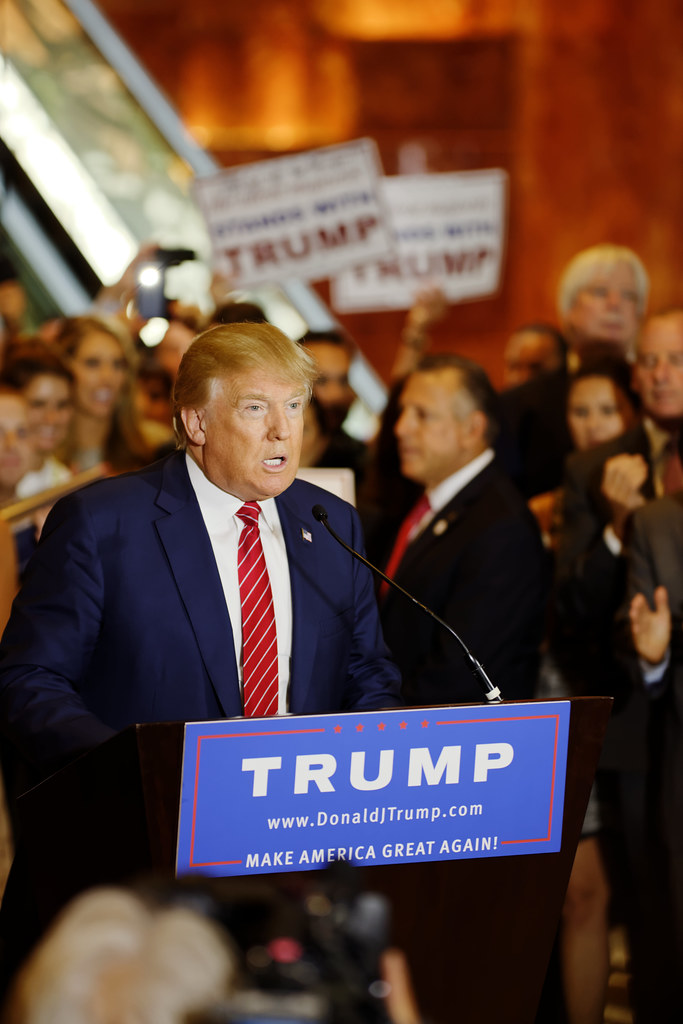
Federal judges are mounting a major campaign to check Donald Trump’s power. The “Fight they wanted” is unfolding in federal courts, where the federal judiciary is pushing back against Trump through rulings, orders and case management that can slow or block executive action before political battles reach Congress or voters.
That matters now because judicial review is one of the few checks that can move quickly when a president tests statutory limits, constitutional boundaries or agency procedures. The immediate story is not one judge or one courthouse; it is how federal judges, across separate cases, can turn legal resistance into a constraint on presidential authority.
Why courts can move fast
Presidents can announce policy at high speed. Federal courts can respond nearly as quickly when litigants show up with claims that an order, regulation or enforcement move is unlawful.
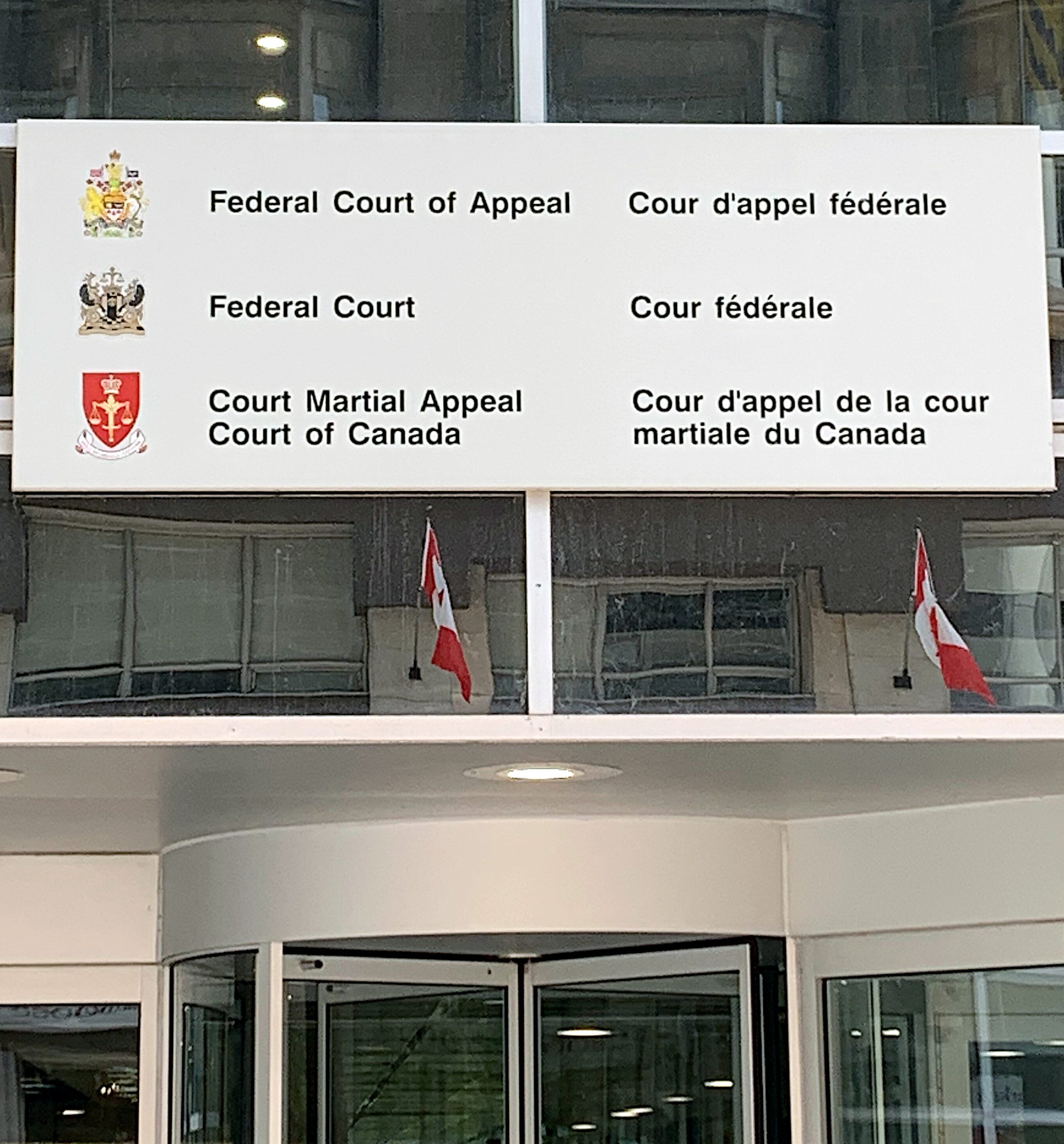
That is why courtroom fights over Trump’s power carry more immediate consequences than many congressional disputes. A temporary restraining order, preliminary injunction or emergency ruling can pause a government action while the legal merits are argued.
Those orders do not settle every political question. They do, however, decide whether the executive branch may keep acting while a case moves forward. In a presidency built around aggressive use of executive authority, that timing can be decisive.
Not a single command center
The phrase “major campaign” can sound like coordination. The federal judiciary does not work that way. Federal judges do not sit as a political caucus, and they do not issue rulings from a central strategy room.
What can look like a campaign is often a pattern: separate lawsuits, separate judges, separate records, and repeated attempts to define the legal edge of presidential power. If multiple courts find similar problems with executive action, the effect can be broad even without coordination.
The U.S. Courts’ own public guide describes a judiciary with different types of judges and assignments, including district judges, magistrate judges, bankruptcy judges, senior judges and visiting judges. Article III judges have special independence because they do not face ordinary removal by a president. According to the federal judiciary’s guide, only Congress can remove an Article III judge, through impeachment by the House and conviction by the Senate.
That insulation is the point. The framers designed federal judges to be hard to pressure directly, especially when a president is one of the parties effectively before the court.
The tools judges can use
Federal judges have several ways to check executive power without issuing a sweeping final ruling on day one. They can demand records, order briefing, halt enforcement temporarily, narrow an agency’s action or require the government to explain the legal authority behind a policy.
The most visible tool is the injunction. In practical terms, it can stop the government from doing something while a court determines whether the action is lawful. Some injunctions apply only to the parties in a case. Others can have wider reach, depending on the court’s order and the dispute.
Judges also review whether agencies followed required procedures. That can matter as much as the policy itself. A president may want a dramatic shift, but federal agencies usually must operate within statutes, rulemaking rules and constitutional limits.
There is also the power of pace. Judges set deadlines, require sworn explanations and refuse to let the government rely only on broad claims of authority. For an administration that prizes speed, that process can feel like resistance even when it is simply ordinary judicial scrutiny.
Why Trump allies bristle
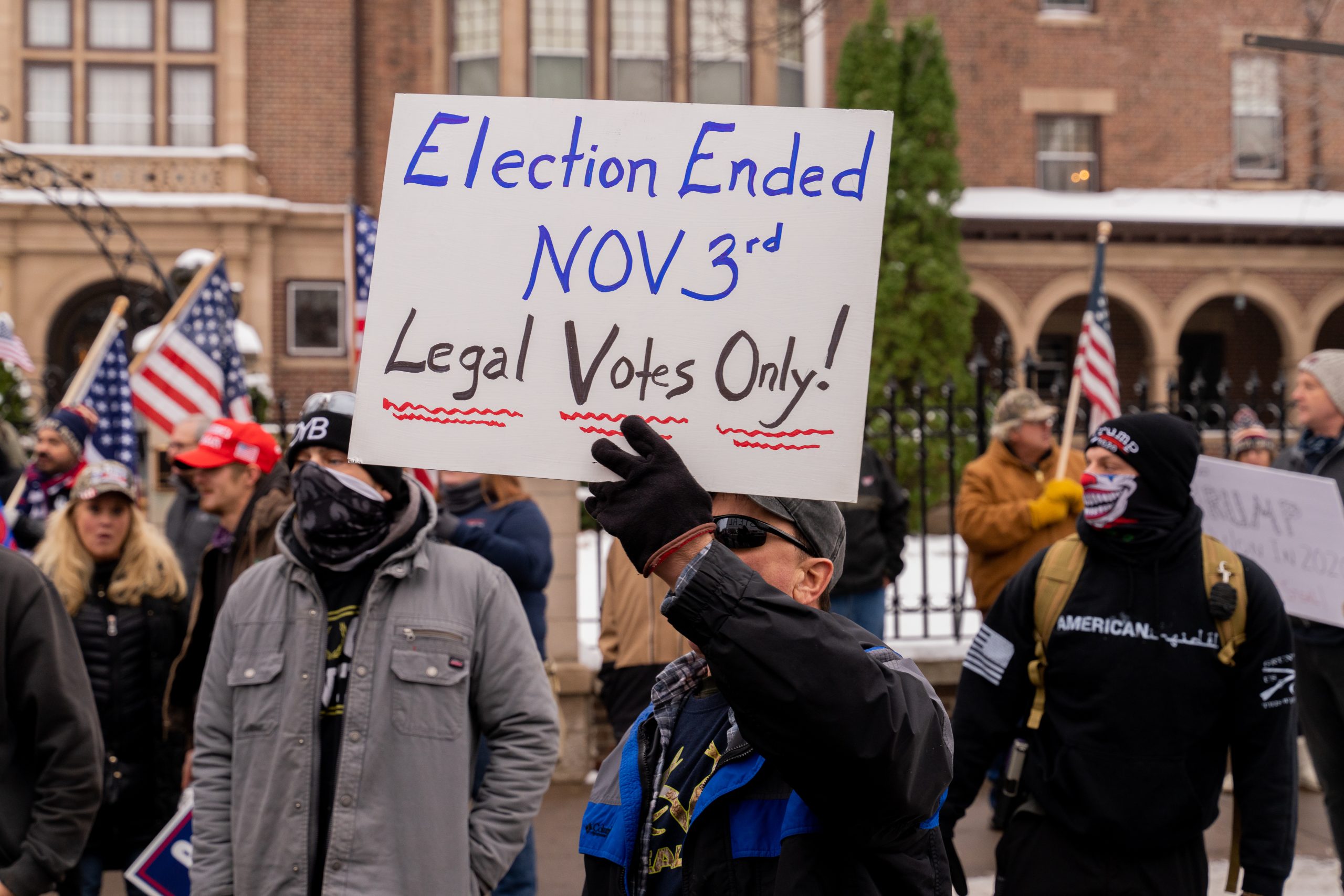
Trump and his allies have often argued that courts can become obstacles to the agenda voters elected him to carry out. From that perspective, aggressive judicial intervention looks less like neutral review and more like judges substituting their preferences for executive judgment.
That argument has real political force. Presidents are elected nationally. Federal judges are not. When one district judge can halt a policy with national implications, critics see a democratic imbalance.
Supporters of judicial pushback see the same facts differently. They argue that elections do not erase statutory limits, due process rights or constitutional boundaries. A president may have a mandate to govern, but not a blank check.
This is the core tension: the courts are counter-majoritarian by design, yet they operate inside a democratic system. Their legitimacy depends on explaining legal reasoning clearly enough that rulings look like law, not retaliation.
The Supreme Court pressure point
Lower-court rulings can move quickly, but the Supreme Court often becomes the pressure valve when a president’s authority is at stake. Emergency appeals can ask the justices to pause or revive a policy long before a full merits decision.
That creates a second layer of stakes. A district judge may block an executive action, an appeals court may narrow or expand that order, and the Supreme Court may step in on an emergency basis. Each stage can reshape the power balance between the White House and the judiciary.
The hardest cases tend to involve questions where law and politics overlap: immigration enforcement, agency authority, federal spending, national security claims and the scope of presidential control over the executive branch. Courts generally avoid deciding pure policy disputes, but they must decide whether the government has legal authority to act.
That distinction is often lost in the public fight. A court is not supposed to decide whether a policy is popular or wise. It is supposed to decide whether the policy is lawful.
What remains unclear
The biggest unanswered question is how durable this judicial check will be. Early orders can slow an administration, but they may be narrowed, reversed or overtaken by new policy language. A temporary courtroom loss is not always a final defeat.
Another open question is whether broad injunctions will remain a favored tool. Critics across the ideological spectrum have questioned whether single judges should issue orders with nationwide impact. Supporters counter that limited relief may be meaningless when a federal policy affects people beyond one courtroom’s parties.
There is also a credibility risk for the judiciary. The more courts are seen as the main battlefield against Trump, the more judges will face accusations of partisanship. That puts extra weight on careful opinions, consistent standards and restraint where the law does not support intervention.
The clean takeaway is this: the federal courts are not just referees watching a political fight from the sideline. They are an active constitutional check. Whether that check is seen as necessary guardrail or judicial overreach will shape the next phase of Trump’s presidency as much as any speech, rally or vote in Congress.





Leave a Reply